








Introduction:Kenyan coffee is renowned for its bright and refreshing acidity, often showcasing lively notes reminiscent of small tomatoes and citrus fruits, making it a favorite among those who prefer acidic profiles. What exactly contributes to this distinctive acidic aroma? This article breaks down the secrets behind the vibrant acidity of Kenyan coffee step by step — from altitude and soil conditions, the K72 washed processing method, the influence of roast levels on acidity, to pour over brewing and water selection. It also offers practical tips for judging grind size and extraction status, helping you brew well-balanced, sweet-and-acidic coffee at home.
Kenyan coffee has long been cherished by coffee enthusiasts for its vivid and refreshing acidity. Especially during cupping, one can often perceive vibrant acidic notes akin to small tomatoes, citrus, and lemon, traits that make it a top choice for acid lovers. So what makes the acidity of Kenyan coffee so outstanding? This article will delve into each critical factor influencing acidity — including origin environment, processing methods, roast levels, as well as pour over brewing and water selection. Using Kenya’s well-known Abyssinia variety as an example, it also shares how to judge whether your grind size is appropriate during pour over brewing by observing the bloom state, extraction time, and spent coffee grounds appearance, enabling you to consistently brew specialty coffee with a balance of citrusy acidity and caramel aftertaste.
 Among the world’s many coffee-growing regions, Kenyan coffee stands out for its unique acidity profile. Many consumers report that the acidity in Kenyan coffee tastes brighter and more vibrant compared to other origins. In fact, Kenyan coffee not only excels in acidity but is also often accompanied by rich fruity aromas, full body, and a clean finish. To understand why Kenyan coffee is so acidic, we must first look at its growing environment. The majority of Kenya’s Arabica coffee is cultivated at high altitudes ranging from 1,400 to 2,000 meters above sea level. These regions typically feature fertile volcanic soils, and both altitude and soil conditions play a pivotal role in shaping the flavor of the coffee.
Generally speaking, the higher the altitude, the lower the temperature and the less oxygen available, which slows down the growth rate of coffee trees and allows more time for nutrients and flavor compounds to accumulate. High-altitude environments are therefore considered one of the key factors in producing high-quality Kenyan AA coffee. Additionally, the phosphoric acid abundant in Kenyan volcanic soils is a crucial element that contributes to the bright yet non-harsh acidity. Compared to more aggressive acids like citric or acetic acid, the acidity brought by phosphoric acid is softer and more lingering, giving Kenyan coffee an acidity that is both lively and rounded.
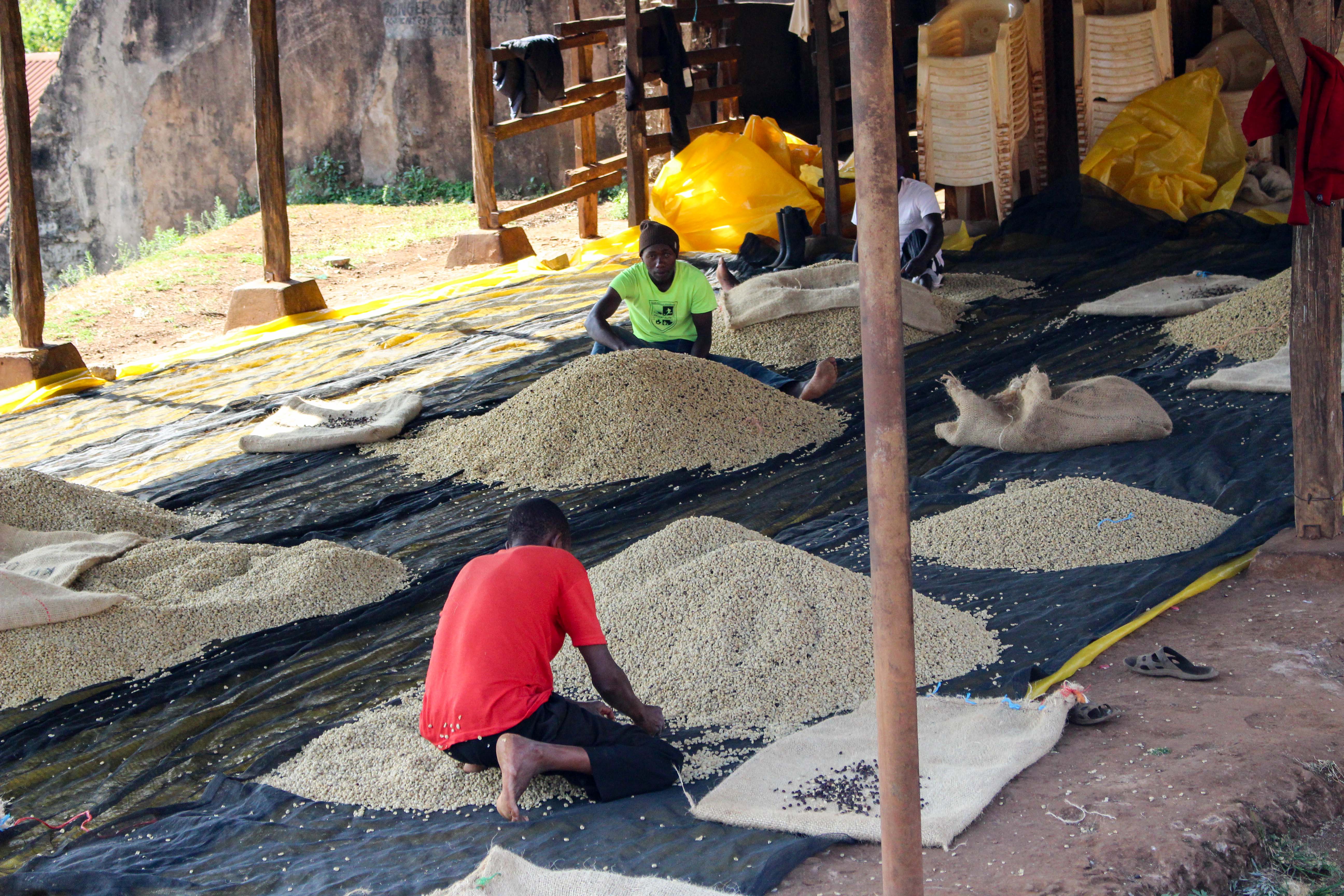
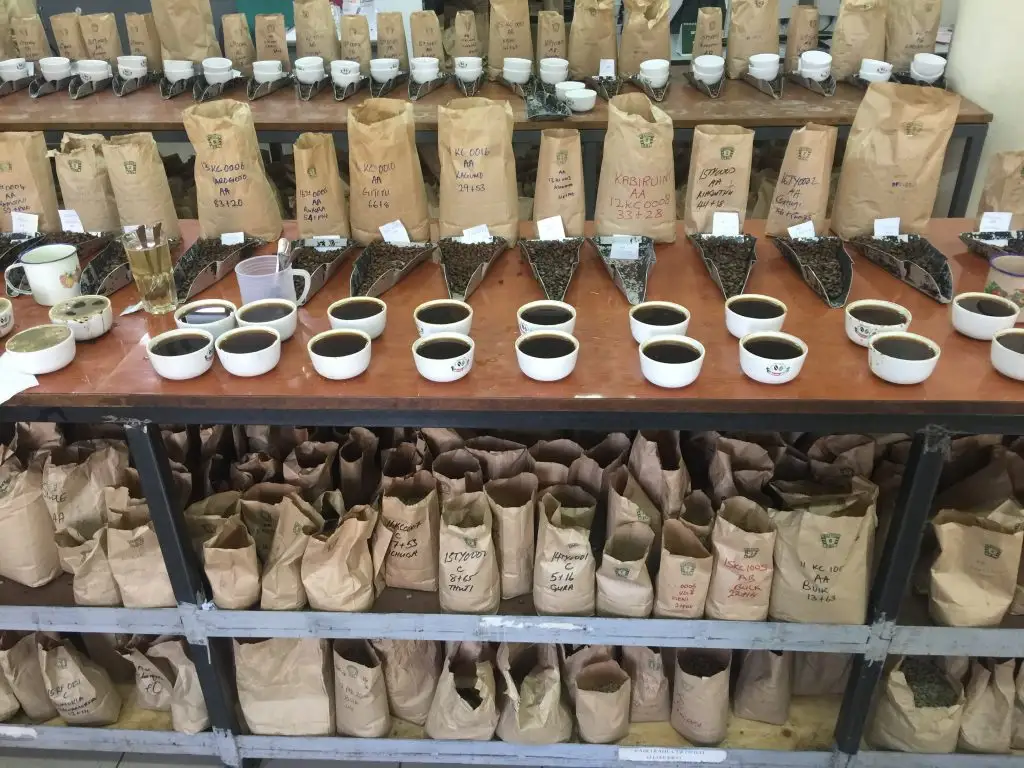
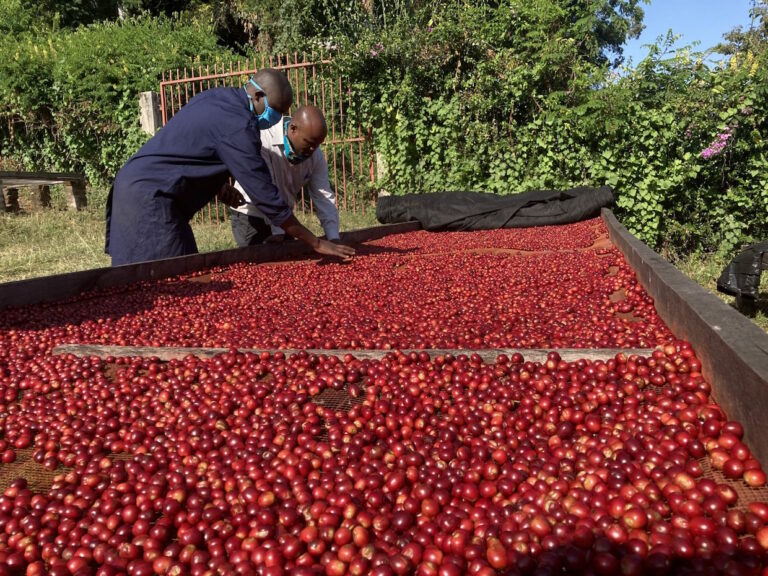 Most of Kenya’s coffee is grown by smallholder farmers, and strict quality control measures are commonly applied during the harvesting, processing, and drying stages. Local coffee is usually processed in “lots,” meaning that coffee cherries harvested from a specific block on a given day are delivered to a central processing facility by the cooperative on the same day. Upon arrival, these cherries undergo sequential processes such as hulling, technical and sensory analysis, and screening by bean size to ensure that each batch maintains a high standard of quality. During hulling, once the parchment layer is removed, the beans are further graded by shape and size, with underripe or unevenly developed cherries being removed to avoid compromising the overall batch quality and market value.
In Kenya, the vast majority of coffee beans are processed using the washed method, with the K72 process being the most representative. This method differs from traditional washed processing in that after hulling, the beans are soaked in clean water tanks for 24 hours, then washed and the process is repeated at least three times, totaling approximately 72 hours — hence the name “K72.” Although this method is time-consuming and labor-intensive, it is precisely this meticulous craftsmanship that gives Kenyan coffee its bright and layered acidity, which is also reflected in its relatively higher market price.
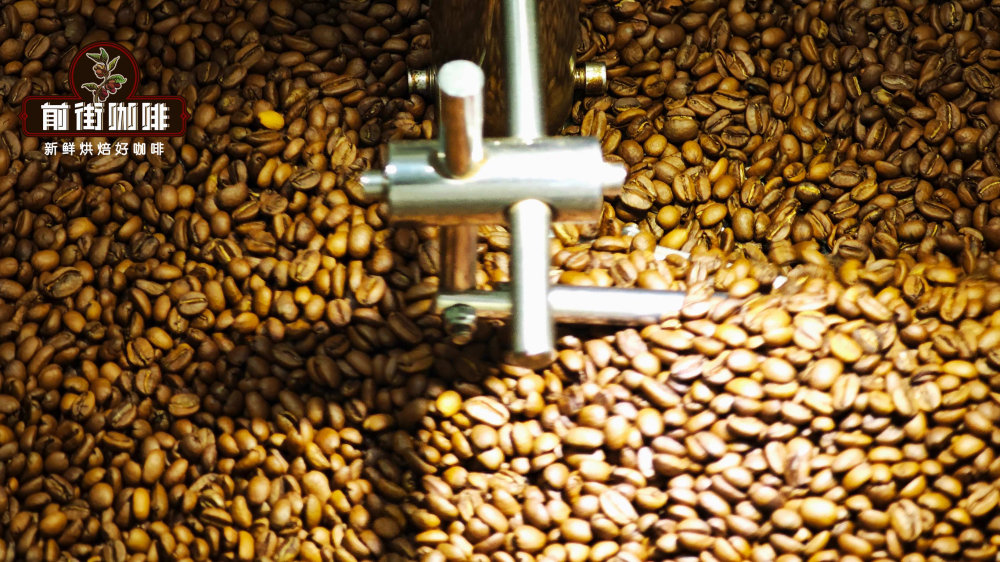
Roast level is another important factor influencing the acidity expression of Kenyan coffee. Many people enjoy coffee with fruity and floral profiles, and such beans are usually processed with a light roast. This is because the chemical reactions during roasting directly affect how much acidity is retained. Among the acids in green beans, chlorogenic acid is one of the primary components. During roasting, chlorogenic acid gradually breaks down. Generally, acidity concentration peaks at very light roast levels, and as roast time extends and temperatures rise, acidity gradually decreases. Therefore, to preserve its bright acidity, Kenyan coffee is mostly roasted to a lighter degree, fully showcasing its fruity aromas and fresh acidic tones.
 Beyond origin and processing, for those brewing coffee at home, water quality and brewing methods also significantly impact the expression of coffee acidity. About 98% of a cup of coffee is water, so the quality and consistency of water are crucial. It is generally recommended to use water with a TDS (total dissolved solids) value of around 150 mg/L and a pH between 6.5 and 7.5. Such water can effectively extract aromatic compounds from the coffee while avoiding over-extraction or suppression of acidity. Many home users may opt for brands like Nongfu Spring, whose TDS and total alkalinity parameters are relatively close to the recommended standards for professional brewing water.
Additionally, grind size and brewing technique during extraction also influence the final flavor of the coffee. Under-extraction can result in overly sharp acidity, lacking sweetness and complexity, while over-extraction may bring out bitterness that masks the brightness of the acidity. For example, when using pour over, if you’re unfamiliar with your grinder, you can observe the suspension state of coffee particles during the bloom, the flow rate of water, and the total dripping time to determine whether the grind size is appropriate. For instance, if the coffee grounds are too fine, it may lead to slow drainage and paper clogging, resulting in over-extraction and a dull berry-like tone with slight astringency. Conversely, if the grounds are too coarse, it may cause under-extraction, leading to overly prominent acidity and a thin mouthfeel.
 In summary, the reason Kenyan coffee can exhibit such bright and vibrant acidity is the result of multiple factors working together — from the high-altitude and volcanic soil cultivation environment, the meticulous K72 washed processing, the preservation of acidity through light roasting, to water selection and grind adjustment during brewing. Mastering these key elements allows both professional baristas and home brewers to consistently present the rich fruit acids and layered aftertastes of Kenyan coffee, enjoying a specialty coffee experience that is sweet, acidic, and long-lasting.
The above content is compiled by CoffeeHunters, a coffee news website.


