







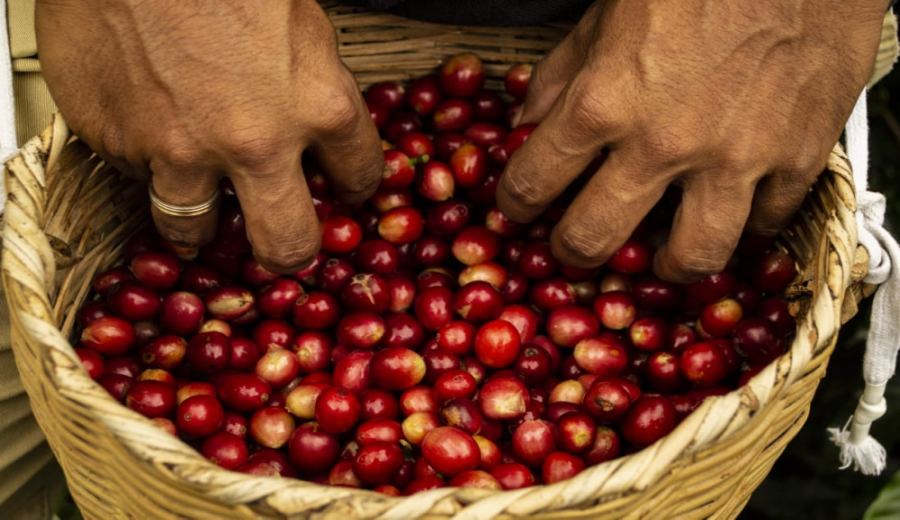
Introduction:Colombian coffee is renowned for its diverse flavors and excellent versatility, capable of shining through pour over, French press, or espresso extraction. This article delves into its developmental history, the geographical and climatic conditions of key producing regions, the soil characteristics that influence flavor, and an in-depth explanation of the current mainstream green bean grading system. Additionally, it provides practical regional information and purchasing references to help coffee enthusiasts gain a more comprehensive understanding of this South American green gem.
Colombian coffee beans have long been known as the “all-rounder,” serving not only as the soul base of blended coffee but also excelling as single-origin offerings. Even with their high body, they make an ideal choice for French press brewing. To deeply understand this globally renowned coffee, we need to start with its development history, the terroir of its main producing regions, its rigorous grading standards, and the various cultivation factors that influence its flavor.
The adaptability of Colombian coffee is widely acknowledged among both coffee enthusiasts and professionals. Its ability to easily accommodate various brewing methods lies in its stable quality and versatile flavor profile. Coffee cultivation in the country is primarily concentrated in the central and southern highlands, with the central region being the most highly regarded for its quality. This area experiences two distinct rainy seasons each year—April to May and September to December—coupled with mineral-rich volcanic ash soil, providing an ideal growing environment for coffee trees and giving rise to bright acidity and rich aromatic layers in the beans.
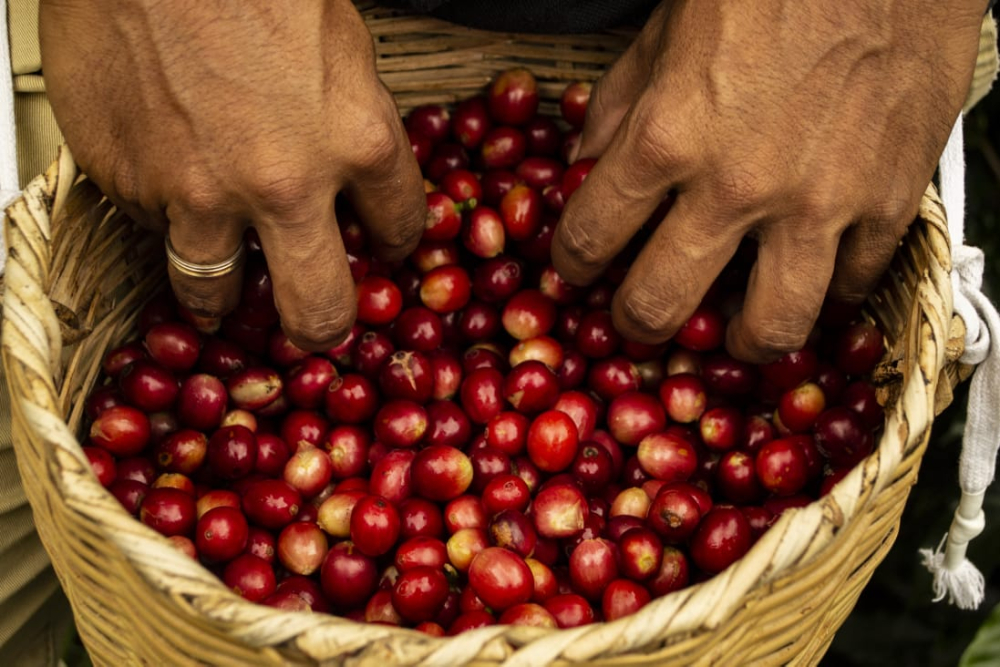
The mountain soils in the central region are mostly volcanic ash, slightly acidic, resulting in coffee that often exhibits prominent fruity acidity and enchanting floral and fruity aromas. The three most representative producing areas in this zone—Medellin, Armenia, and Manizales—are collectively referred to by the industry as “MAM” and are important sources of high-quality specialty coffee in Colombia. Additionally, some parts of the central region have sedimentary rock-based soils. While the coffee produced here shows more restrained acidity, it offers a more pronounced body, making it suitable for drinkers who prefer a fuller mouthfeel.
Colombian southern producing regions are known for their high altitudes and cool overall climate, generally achieving the highest elevations for cultivation in the country, with the main harvest season concentrated in the first half of the year. Narino is the most representative specialty coffee region in this area, and its coffee often carries complex spice and dark berry notes, delivering a layered taste experience for coffee lovers. Overall, Colombian coffee beans are visually plump and uniform in size, with strong and solid aromas. Their flavor profiles vary slightly by region—some leaning toward bright fruitiness, others showcasing a rich chocolatey texture. Among them, the highest-grade “Supremo” is a dual guarantee of quality and flavor.
Regarding the grading of Colombian green coffee beans, the most widely circulated and indicative standard is the one established and promoted by the Colombian Coffee Growers Federation (FNC). Currently, there are three main export grades circulating in the Chinese market, which are:
The first isExcelso UGQ 12*60 (1.5%), where UGQ stands for “Usual Good Quality.” This grade requires green beans to be sized at 14 mesh or above, allows up to 1.5% of beans between 12 and 14 mesh, but none smaller than 12 mesh, and mandates that over 50% of the beans must be larger than 15 mesh.
The second isExcelso EP 12*60 (10%), where EP stands for “European Preparation.” This grade requires green beans to be at least 15 mesh in size, allows up to 10% of beans smaller than 15 mesh, but not smaller than 14 mesh.
The third isExcelso Supremo 12*60 (5%), which requires green beans to be sized at 17 mesh or above, allows up to 5% of beans smaller than 17 mesh, but not smaller than 14 mesh.
In addition to the commonly seen grades, the Colombian market also features other细分 grades. For example, beans sized 16 mesh or above are called “Extra,” those 18 mesh or above are termed “Premium,” and beans that are almost entirely 15 mesh are categorized as “Minama.” These detailed grading systems ensure that consumers can select the coffee bean quality that best suits their needs.
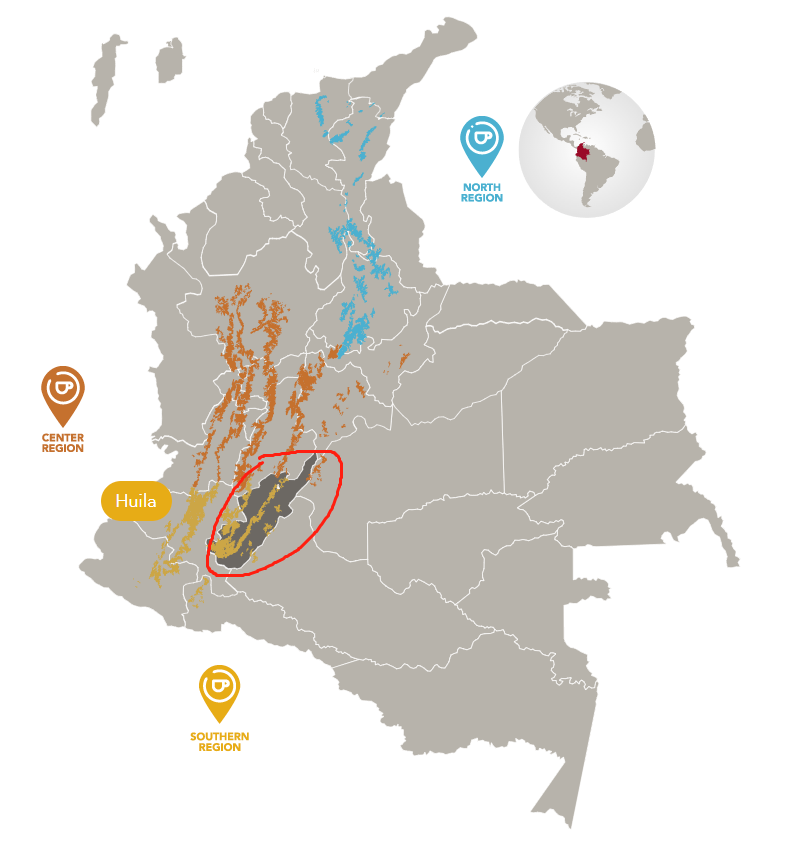
If you want to personally experience the diverse flavors of Colombian coffee, it is recommended to start with classic washed-process Huila region beans. Such coffees are usually medium to dark roasted, fully showcasing the richness of dark chocolate and the aroma of nuts, while maintaining moderate oils and a smooth mouthfeel. They perform steadily and captivatingly whether brewed using pour over, French press, moka pot, or espresso machines.
For users who already own home coffee machines, there are also several premium blends on the market based on Colombian beans. These blends often combine the creamy and nutty notes of Brazilian beans with the deep chocolate and slight sweet-bitterness of Colombian beans, resulting in an overall balanced and rich flavor. They are very suitable as the base for Americano, latte, cappuccino, and mocha, making them a friendly entry point for beginners to specialty coffee.
The above content is compiled by CoffeeHunters, a coffee news website.


