







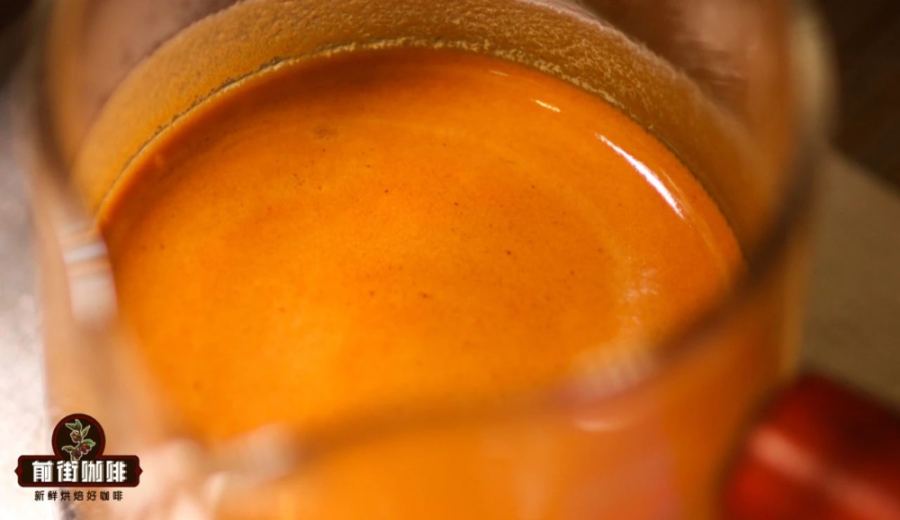
Introduction:The crema on the surface of an espresso shot is not just a visual highlight—it’s also the core of its flavor. This golden, tiger-striped layer of oils, about 1 to 2 centimeters thick, carries intense roasted aromas and flavors reminiscent of dark chocolate. To successfully extract an ideal crema at home, it's essential to master four key factors: bean freshness, roast level, extraction pressure, and bean variety selection. This article delves into the principles and practical techniques behind each element, and introduces various deep-roast blend options with different flavor profiles to help you elevate the complexity of your home-brewed espresso.
As the foundation of Italian-style coffee, espresso's charm lies not only in its bold flavor but also in the unique oily layer on its surface—crema. This golden foam, about 1 to 2 centimeters thick with fine tiger stripes, exudes rich roasted aromas and hints of dark chocolate, serving as an important carrier of coffee flavor. If you want to replicate such results on your home espresso machine, the key lies in four core elements: managing coffee bean freshness, selecting an appropriate roast level, controlling extraction pressure, and choosing the right coffee variety.
Among various coffee brewing methods, espresso often becomes the first choice for beginners due to its intense character. Whether you prefer the smoothness of a latte, the brightness of an Americano, or the creativity of specialty drinks, they all rely on a well-extracted shot of espresso as their base. The presence of crema not only enhances visual appeal but also directly influences flavor release and overall taste balance.
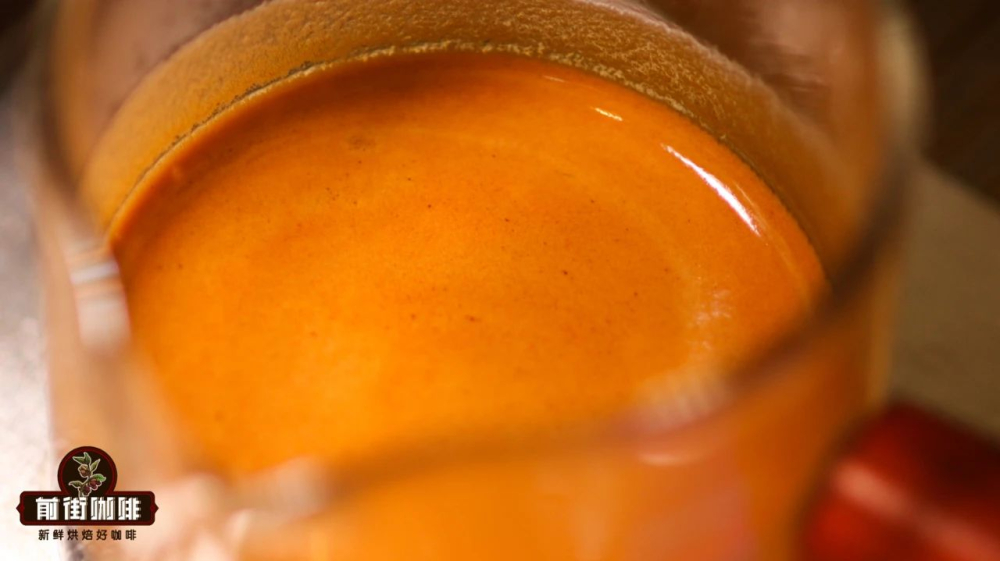
Freshness Determines Crema Performance
The formation of crema relies on coffee oils encapsulating carbon dioxide gas, so the freshness of the beans is positively correlated with the richness of the crema. When purchasing, it's recommended to look for products clearly labeled with the roast date (not the expiration date), and opt for reputable specialty roasters. Once ground, coffee has a significantly larger surface area exposed to air, causing volatile aromatic compounds and carbon dioxide to dissipate rapidly. It is advisable to buy whole beans and store them properly to maintain the potential for crema formation during extraction.
Dark Roasts Enhance Crema Texture
The dark roasting process makes the internal structure of coffee beans more porous, transforms acidic compounds into caramelized substances, and accumulates a large amount of volatile gases. As hot water passes through, these gases are released in the form of tiny bubbles, forming a stable crema layer. Beginners are advised to choose medium-dark roasted blends, which often feature flavor notes such as hazelnut, caramel, and cocoa—qualities that align with a rich and full crema.

Bean Variety Affects Crema Volume
There are significant differences in crema production capability among various coffee varieties, with Robusta beans naturally containing a higher proportion of oils and gases. Some dark roasted espresso blends include a small amount of Robusta to enhance the intensity and fluidity of the crema. These blends often carry complex aromas like nuts and cream, making them ideal for creating a rich and full-bodied flavor in milk-based coffee drinks.
In practical operation, extraction pressure is a critical variable. Professional espresso machines provide a 9-bar pressure that effectively extracts a stable crema, while home moka pots generate around 1.5-bar pressure, which can still produce a thinner layer of oils, especially when paired with freshly roasted dark beans. Users are advised to regularly check their machine’s pressure settings and ensure that pre-infusion and extraction time parameters align with the characteristics of the beans being used.
In summary, achieving the ideal crema relies on systematic control: from managing bean freshness within five days post-roast, selecting a medium-dark roast level, choosing varieties suited for dark roasting, to using equipment that provides stable extraction pressure. By understanding the interplay of these elements, even home brewers can consistently produce espresso shots with a professional appearance and flavor profile.
The above content is compiled by CoffeeHunters, a coffee news website.


