







Introduction:Pour-over coffee is an excellent starting point for exploring coffee flavors, capable of showcasing a bean’s potential with just simple equipment. This article provides a detailed guide to essential brewing techniques for beginners, including recommended coffee beans for pour-over, key points in selecting basic equipment, a breakdown of the three-stage extraction process, and an analysis of flavor profiles from regions such as Kenya—helping you master critical parameters to brew well-balanced coffee with distinct layers.
Brewing a fragrant cup of pour-over coffee in the morning not only awakens your senses but also sets a wonderful tone for the day. This seemingly simple brewing method shares similarities with brewing Gongfu tea—different coffee varieties require specific water temperatures, grind sizes, and brewing durations. Compared to automatic coffee machines, manual control allows for a more accurate representation of the coffee bean’s true character and lets you fine-tune flavor intensity based on personal preference. Beyond the technical enjoyment, the focused process of brewing itself is a form of relaxation and a natural conversation starter when meeting friends.
For those new to pour-over, the first task is understanding which coffee beans are particularly well-suited to this brewing method. Take the world-renowned Kenyan beans as an example—their bright citrus acidity and berry notes can exhibit exceptional clarity when brewed using pour-over; meanwhile, high-altitude Blue Mountain beans, due to their fuller body, require more precise temperature control to avoid over-extraction.
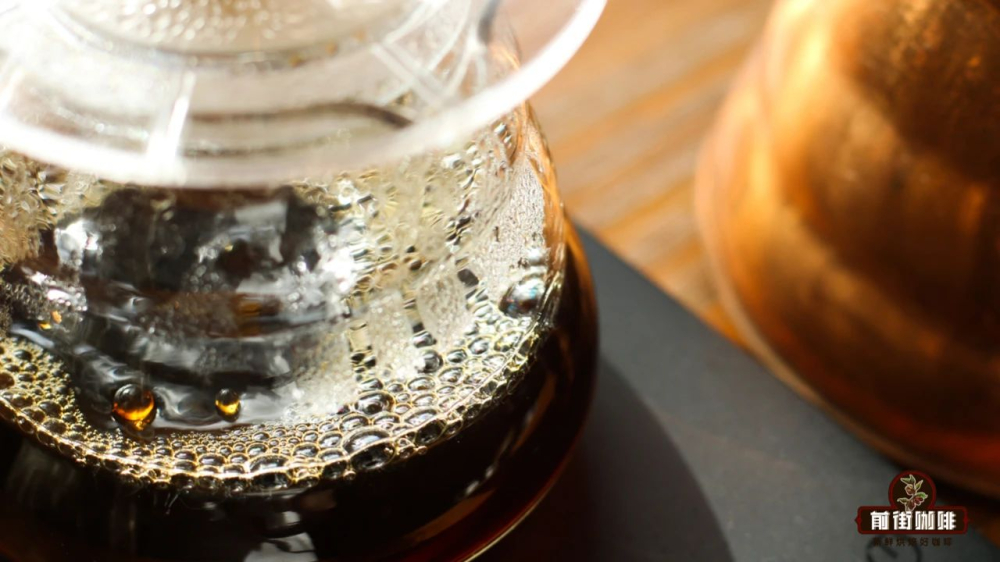
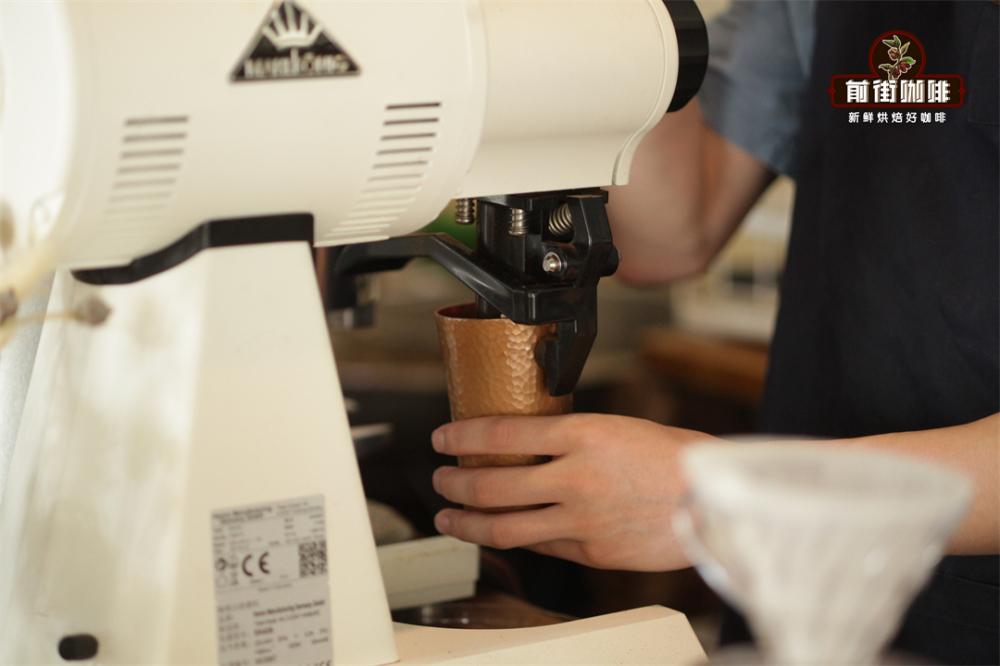
When preparing the basic equipment, it’s recommended to start with the “four core essentials”:A hand grinder with uniform grind consistency(avoid blade grinders),A digital scale accurate to 0.1 gram,A gooseneck pour-over kettle(which helps control the angle of water flow), andA V-shaped filter cone(such as the Hario V60). While paper filters are the most common choice, those seeking a more complete flavor profile may also try metal filters—though they require an additional rinsing step to eliminate metallic taste. It’s worth noting that the rib design of the filter cone affects water flow speed; for first-time users, it’s advisable to get familiar with one style first.
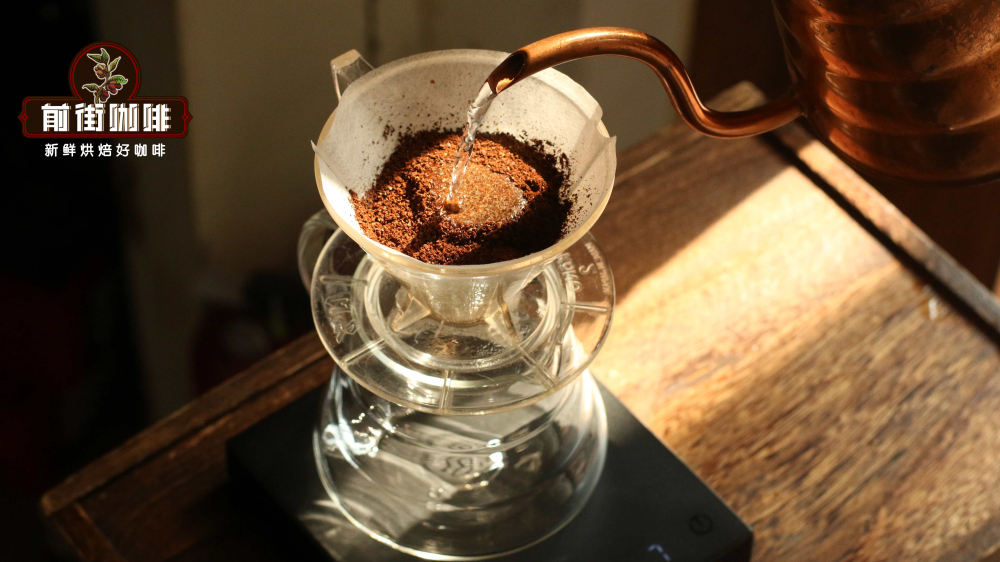
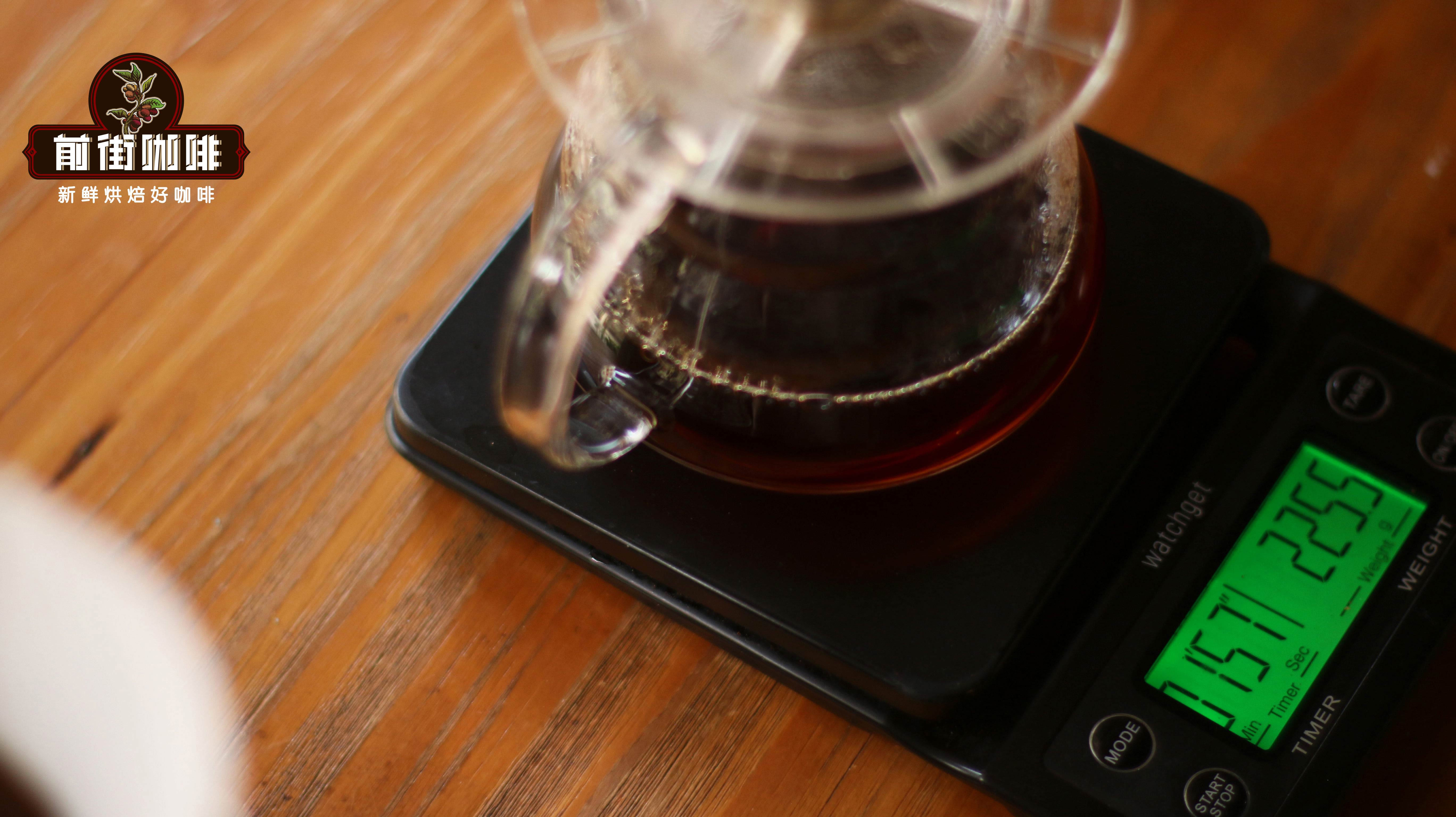
In practical operation, take 15 grams of coffee grounds as an example (grind size close to that of fine sugar; it’s recommended to use a No. 20 sieve to test for an 80% passing rate), using a 1:15 to 1:16 coffee-to-water ratio (i.e., a total of 225–240 milliliters of water). Key steps include: first wetting the filter paper with 90–93°C hot waterand preheating the equipment(this prevents heat loss caused by ceramic cones absorbing heat); then performing a30-second bloomwith 30 grams of water (to activate the coffee grounds); the second stage involves pouring 120 grams of water with medium flow to lift the coffee bed; finally, a fine stream is used to pour the remaining 90 grams to complete the extraction. The whole process takes about 2 minutes and 10 seconds, with the endpoint determined by a noticeable slowdown in dripping speed.
Common mistakes include: over-grinding leading to channeling, insufficient blooming time causing aroma blockage, or pouring water directly onto the center of the coffee bed, resulting in localized over-extraction. Special reminder: different regional beans require differentiated treatment—for instance, Ethiopian Yirgacheffe benefits from a higher water temperature (94°C) to highlight floral notes, while Sumatran Mandheling is recommended to be brewed at a lower temperature of 90°C to reduce the release of earthy impurities.
If you want to try specialty beans, Kenyan AA-grade beans, with their unique tomato-like acidity and blackcurrant finish, can deliver astonishing three-dimensional flavor in pour-over; whereas Brazilian Yellow Bourbon, with its low acidity and rich chocolatey tones, becomes the top choice for those seeking balanced flavor. Remember, whenever adjusting parameters, only change one variable at a time (e.g., ±1°C in water temperature or one level finer in grind size), and record the results for comparison.
Professional baristas recommend that beginners keep their own brewing journal, recording data such as date, bean variety, roast level, water temperature, grind setting, segmented water amounts, and timing. When you find a particularly outstanding brew, these records become a valuable reference for replicating success. Additionally, regularly calibrating the grinder’s grind consistency (using a sieve for testing) and ensuring the use of filtered soft water are hidden keys to improving flavor consistency.
The above content is compiled by CoffeeHunters, a coffee news website.


