







Introduction:Cold brew coffee is a popular iced beverage choice in summer, but did you know it actually comes in two methods—ice drip and cold steeping—and that they differ significantly in flavor, preparation, and storage? This article delves into the origins of cold brew coffee, provides complete guides to both brewing methods, recommends ideal coffee-to-water ratios and grind sizes, and offers practical advice on shelf life and flavor changes, so you can master professional-level cold brew techniques at home.
On a hot summer day, an iced coffee can instantly refresh and invigorate. Among the many iced coffee options, cold brew stands out as a favorite for many coffee enthusiasts due to its unique rich taste and low acidity. However, cold brew can be further divided into two distinct techniques—ice drip and cold steeping—not only differing in how they’re made, but also in final flavor profiles and storage methods.
Cold brew refers to a method of extracting coffee using low-temperature water (typically cold or ice water at 0°C to 4°C) over an extended period. Compared to traditional hot water brewing, the cold brew process is slow, with the release of various flavor compounds from the coffee significantly decelerated. As a result, it takes longer to achieve optimal extraction—generally 6 to 8 hours or more.
The history of cold brew coffee dates back to the 17th-century Age of Exploration. Dutch merchant ships frequently traveled between Asia and were inspired by Japanese cold-brewed tea culture. In the absence of hot water and due to the risks associated with open flames during voyages, sailors began using cold water to brew coffee, gradually forming the prototype of cold brew. Interestingly, this drink, which originated in Europe, later gained more widespread popularity and development in Japan.
What is commonly referred to as "cold brew" today actually includes two main forms: ice drip coffee (Cold Drip) and cold steeping coffee (Cold Brew). These two methods differ significantly in extraction principles, equipment design, and final flavor profiles. Even when using the same coffee beans, the two methods can produce distinctly different flavor characteristics.
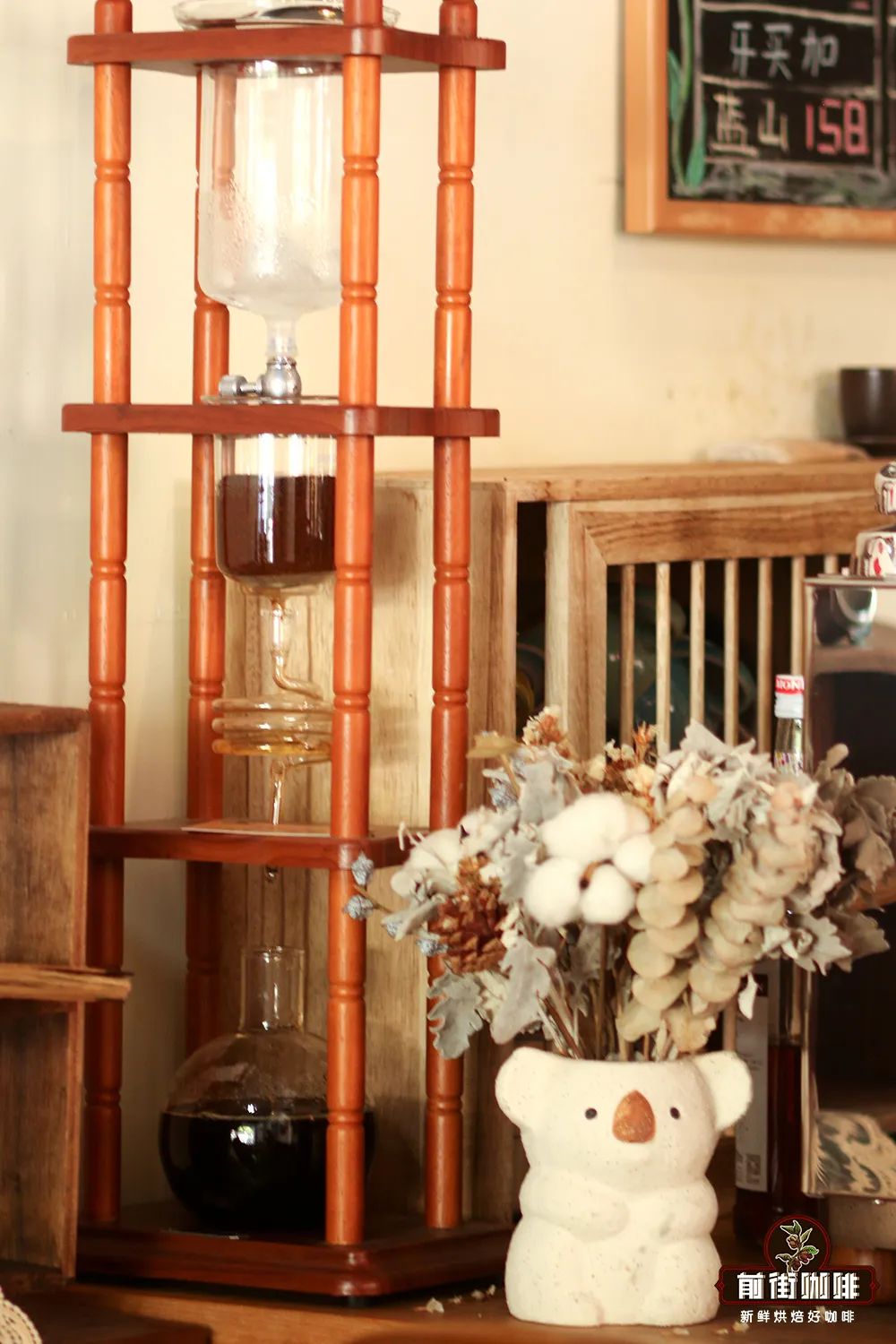
 Ice drip coffee is a type of drip filtration extraction, and its operation is relatively intricate. Such equipment generally consists of a water reservoir, a drip rate regulator, a coffee powder chamber, a serpentine tube, and a coffee liquid collection bottle. Taking a common shop-style approach as an example, the operational steps are roughly as follows:
1. Place a round filter paper in the powder chamber and wet it with water to ensure a tight seal.
2. Adjust the filter paper so that it lies flat against the inner wall of the powder chamber.
3. Add 60 grams of coffee powder and gently shake to level the powder bed.
4. Cover the powder layer with another sheet of filter paper to help stabilize the structure.
5. Add small amounts of water in stages to pre-wet the coffee, allowing the grounds to fully absorb moisture.
6. Place an appropriate amount of ice and cold water in the water reservoir.
7. Adjust the drip rate to 7 drops per 10 seconds, maintaining a steady flow.
8. After extracting approximately 600 grams of coffee liquid, it is recommended to transfer it to a sealed glass bottle and refrigerate overnight to allow the flavors to meld better.
The standard parameters for this method are: 60 grams of coffee, a coffee-to-water ratio of 1:10, water temperature maintained at 0°C to 4°C, overall extraction time of about 6 to 8 hours, and a grind size recommended to be 85% through a Chinese No. 20 standard sieve—i.e., medium-coarse. Due to the low water temperature, the release of flavor compounds is slow, and less bitter and astringent material is extracted. Additionally, due to gravity, filter paper is often placed above the coffee bed to prevent the water from directly impacting the grounds, which could cause localized over-extraction or uneven extraction.
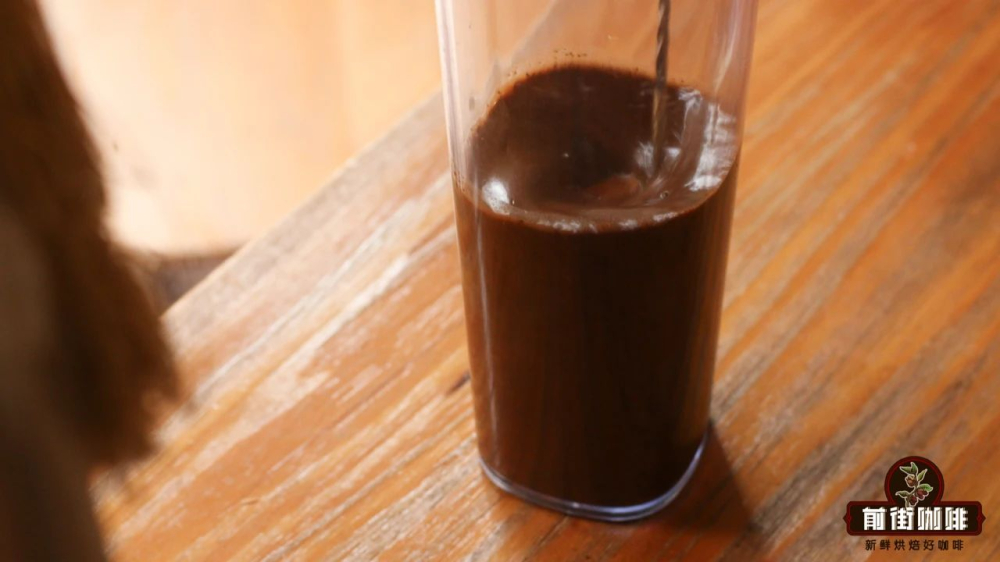
Moreover, many shops add ice cubes to the serving cup, and as the ice melts, the coffee concentration naturally dilutes, catering to varying taste preferences. While the exact ratio and method may vary slightly by shop, the goal is always to highlight the delicate and low-acid characteristics of cold brew coffee.
For beginners unfamiliar with professional equipment, the setup and steps for ice drip coffee may seem complicated. But don’t worry—there’s a simpler cold brew method: cold steeping (Cold Brew). This method simply involves combining coffee powder with cold water in a sealable glass bottle and letting it sit in the fridge, making it highly suitable for home brewing.
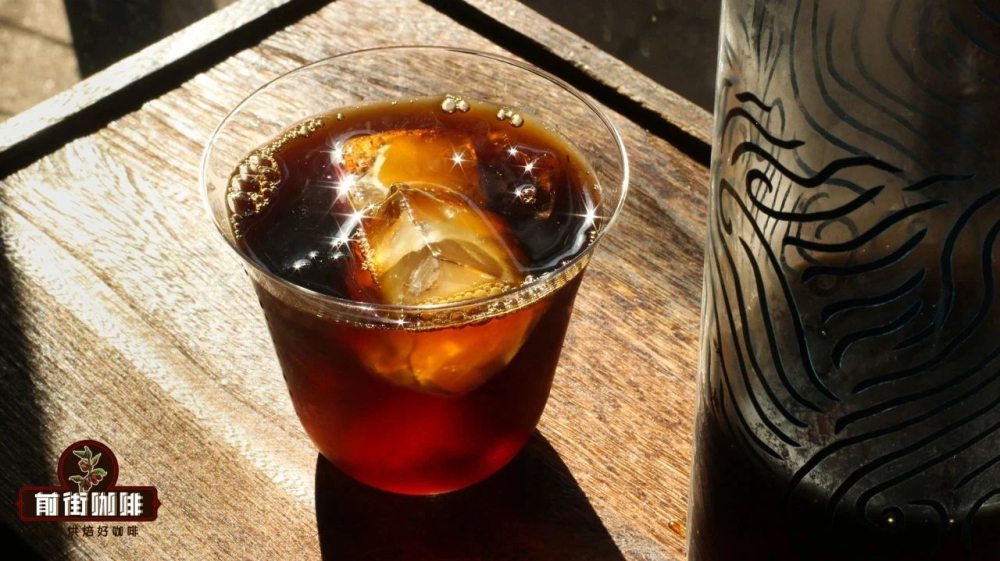
The standard practice for cold steeping recommends using 50 grams of coffee powder with 500 milliliters of cold or ice water, also following a 1:10 coffee-to-water ratio. The grind size is similarly advised to be 85% through a Chinese No. 20 sieve, with water temperature also maintained at 0°C to 4°C. The total steeping time is 6 to 8 hours. After mixing, let the coffee sit in the fridge. Once the time is up, filter out the grounds and transfer the coffee liquid to a sealed container for storage.
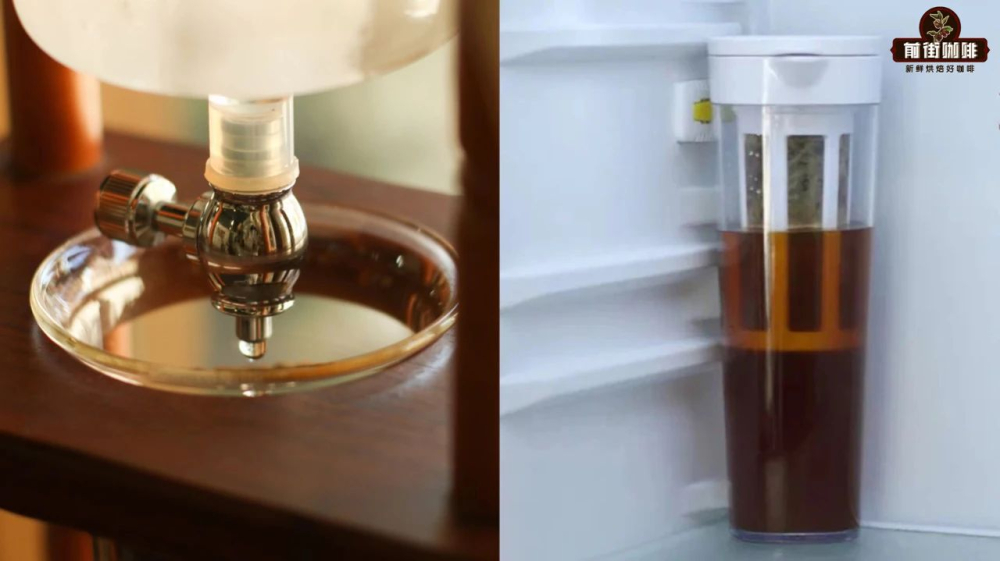
Many coffee lovers prefer to make a large batch of cold brew coffee at once and store it in the fridge for easy access. However, what is the shelf life of cold brew coffee? Based on practical experience, once the cold brew coffee has been extracted and sealed, it should be immediately refrigerated. It is not recommended to leave it at room temperature, even if the room is relatively cool.
During refrigeration, cold brew coffee will gradually ferment. Initially, the flavor may become more rounded, but over time, the fermented notes will become increasingly pronounced, and may even develop unpleasant spoilage odors. Generally,cold brew coffee is best consumed within 3 days of brewing when refrigeratedto enjoy the optimal flavor experience. After 5 days, the original aroma and complexity of the coffee will noticeably diminish, replaced by fermented and off flavors, greatly reducing its drinking value.
If you’d like to explore different flavor profiles in cold brew, you can choose coffee beans based on your personal taste. For those who prefer wine-like and bold flavors, consider beans with sherry cask fermentation characteristics, which often feature vanilla, cream, and subtle wine notes. If you enjoy bright, sweet-tart profiles, opt for fruit-forward beans, whose low-temperature extraction highlights delicate berry or citrus acidity. For those valuing balance, medium or medium-dark roast beans offering a well-rounded mix of acidity, sweetness, bitterness, and body are recommended. And for fans of bold, deep-roast flavors, dark roast beans such as Golden Mandheling or Mandheling Reserve are also excellent choices.
 In summary, cold brew coffee is not only a refreshing summer drink but also a refined craft that showcases the multi-layered flavors of coffee. Whether you choose ice drip or cold steeping, as long as you get the coffee-to-water ratio, grind size, and storage right, you can easily enjoy professional-grade cold brew at home.
The above content is compiled by CoffeeHunters, a coffee news website.


