







Introduction:Once coffee beans are roasted, their flavors begin to subtly fade over time. Mastering the correct storage and evaluation methods not only extends the optimal freshness window of your coffee, but also ensures that every cup is rich in complexity and aroma. This article will guide you through how to identify coffee bean freshness, scientifically store your beans, and determine the best time to grind — helping you get every step right from roasting to brewing.
The charm of coffee comes from the complex aromas and layered profiles released by freshly roasted beans. However, these precious flavor compounds are extremely delicate and can gradually dissipate over time due to exposure to light, temperature, and oxygen. Therefore, understanding how to assess the freshness of coffee beans and how to store them properly is essential knowledge for every coffee enthusiast.
Fresh coffee beans not only exhibit richer aromas and flavors during brewing, but also allow for smoother extraction, enhancing the overall drinking experience. In contrast, beans that have been stored for too long — even if expertly roasted — can hardly deliver their original performance.
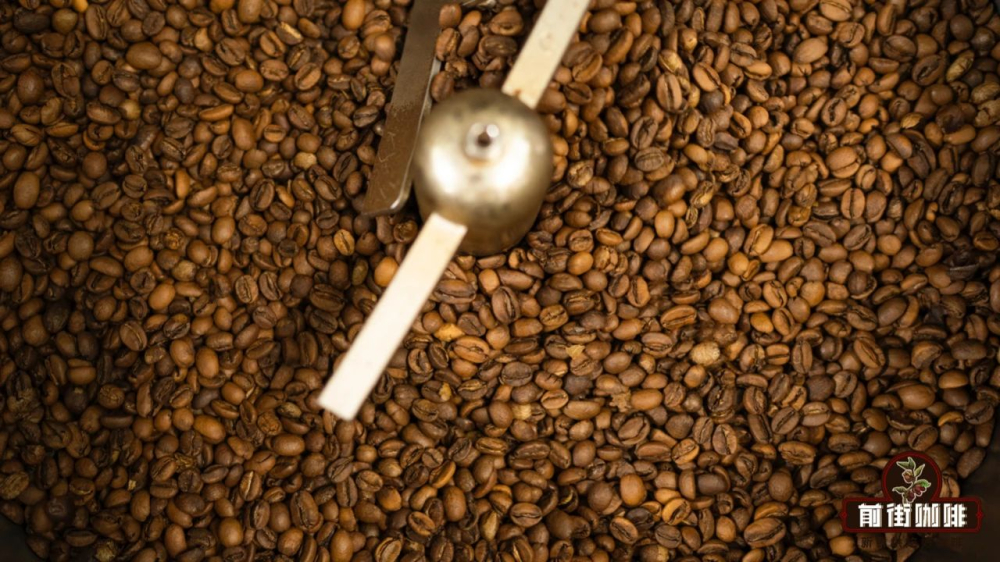
To determine whether coffee beans are fresh, you can start with the following simple yet effective indicators. The first is surface luster. Freshly roasted coffee beans develop a subtle sheen on their surface due to the natural oils released during roasting. Over time, this oil oxidizes, causing the beans to appear dull and lifeless.
Next is aroma. When you open a bag of coffee beans, if you don’t detect a distinct and rich fragrance, it’s likely the beans have been stored for some time. Fresh coffee beans should exude noticeable sweet, fruity, or nutty notes, with a strong and layered scent. If only a flat or even odorless smell is present, it indicates a significant loss of flavor.
Another more scientific method is the degassing test. Place a small amount of coffee beans in a sealed plastic bag, squeeze out excess air, and then seal it. Let it sit for about 24 hours. If the bag noticeably inflates, it means the beans are still releasing carbon dioxide — a sign of freshness. Typically, roasted coffee beans continue to emit large amounts of CO₂ for several days to weeks after roasting, which is why many coffee bags are designed with one-way degassing valves.
The environment in which you store your coffee beans is equally crucial. First, avoid direct sunlight, as UV rays accelerate the breakdown of flavor compounds. Second, strictly control temperature and humidity; it’s recommended to keep your beans in a cool, dry place at room temperature. However, never store them in the refrigerator’s crisper drawer, as the cold environment can cause the beans to absorb odors from surrounding foods, while moisture may also affect their quality.
If you plan to store beans for the long term, freezing is a good option — provided you seal them properly. Place unopened coffee beans in an airtight container or vacuum-sealed bag, remove the air, and then store them in the freezer. When taking beans out, let them return to room temperature before opening to prevent condensation or moisture intrusion. It’s also advisable to divide your beans into smaller portions, using only what you need in the near future to minimize repeated thawing and refreezing.
For everyday storage, using glass jars or stainless steel containers with airtight seals is common practice. After placing the beans inside, try to minimize the number of times you open the container, and always reseal it immediately after use. Some people add food-grade desiccants to further reduce moisture impact. If you use transparent jars, store them away from light or choose containers made of opaque material.
Additionally, the smaller the surface area of coffee beans exposed to air, the slower the oxidation process. Therefore, dividing the whole bag of beans into individual portions based on each brew’s needs is a more advanced preservation strategy. This not only reduces oxygen contact, but also avoids flavor loss caused by frequent opening.
It’s worth noting that whole coffee beans preserve better than pre-ground coffee. Once ground, the total surface area of the coffee increases significantly, leading to greater exposure to air, moisture, and light — all of which cause flavor compounds to oxidize and evaporate rapidly. As such, it’s recommended to grind your coffee just before brewing to retain the maximum amount of original flavor.
In summary, everything from selecting freshly roasted beans, accurately assessing their freshness, to scientifically storing them and grinding them at the right time directly impacts the final flavor of your coffee. By mastering these key points, you can easily enjoy a café-quality coffee experience at home.
The above content is compiled by CoffeeHunters, a coffee news website.


