








Introduction:This article provides an in-depth comparison between two popular Ethiopian coffee beans from the 2021 harvest season — the Huakui 5.0 and the Small-Bean Huakui. We examine everything from the raw bean appearance, post-roast characteristics of the green beans, cupping flavor profiles, to actual pour over performance, helping coffee enthusiasts understand the differences between the two. Through detailed evaluations under unified brewing conditions, we explore which one is better suited for those who prefer bright acidity or rich fruity flavors, and also offer practical brewing parameter suggestions.
Upon arrival in Hong Kong, the 2021 harvest Huakui 5.0 coffee beans quickly became the focus of market attention. We promptly conducted roasting tests and carried out a comprehensive comparison with the previously well-received Small-Bean Huakui. This article will take you through the evolution of the Huakui series since it won the TOH Natural Category Championship in 2017, and clarify why the Small-Bean Huakui stands apart and is not categorized under the X.0 annual series.
From visual identification of raw and roasted beans, to the flavor layers released during cupping, and even the actual performance using the same pour over method, we will provide a detailed analysis of the characteristics of both beans. The Small-Bean Huakui exhibits a rich strawberry cream profile similar to the classic version from 2017, while the Huakui 5.0 presents a brighter berry acidity and diverse floral notes, each appealing to different taste preferences among coffee aficionados.
When selecting new-season beans, many people often have questions about the Huakui numbering system. In fact, the naming convention of Huakui X.0 is closely related to the harvest season: for example, Huakui 3.0 refers to the 2019 harvest, Huakui 4.0 to the 2020 harvest, and naturally, Huakui 5.0 is the new-season beans from 2021. This series originates from the Buku Abel processing station in the Guji-Hambela region of Ethiopia, owned by DW Company, which won the TOH Natural Category Championship in 2017 using the natural processing method. At that time, this bean was renowned for its intense strawberry and creamy aromas and also helped contestant Li Jianfei secure second place in the China Coffee Brewing Championship.
In the following years, DW Company continued to expand its facilities, adding processing stations such as Buku Saysay, Haro Soresa, and Tirtiro Goye in the Hambela region, and subsequently launched the annual versions from Huakui 2.0 to Huakui 5.0. It’s important to note that although the names are similar, only the natural beans originally produced by the Buku Abel processing station can be considered the most authentic “Huakui”; the others are extensions from different processing stations within the same region.
The reason the Small-Bean Huakui stands out uniquely is because its flavor profile is extremely similar to that of the 2017 championship bean, especially the rich and layered strawberry cream character. As early as in the 2018 and 2019 vintages of Huakui, we occasionally caught hints of similar flavors, but the overall body and aftertaste were still slightly inferior compared to the 2017 version. It was later discovered that these special flavors mainly came from the batch containing coffee beans with noticeably smaller bean sizes, so starting in 2020, the processing station decided to process these small-bean varieties separately, no longer including them in the X.0 series — thus giving rise to today’s Small-Bean Huakui.
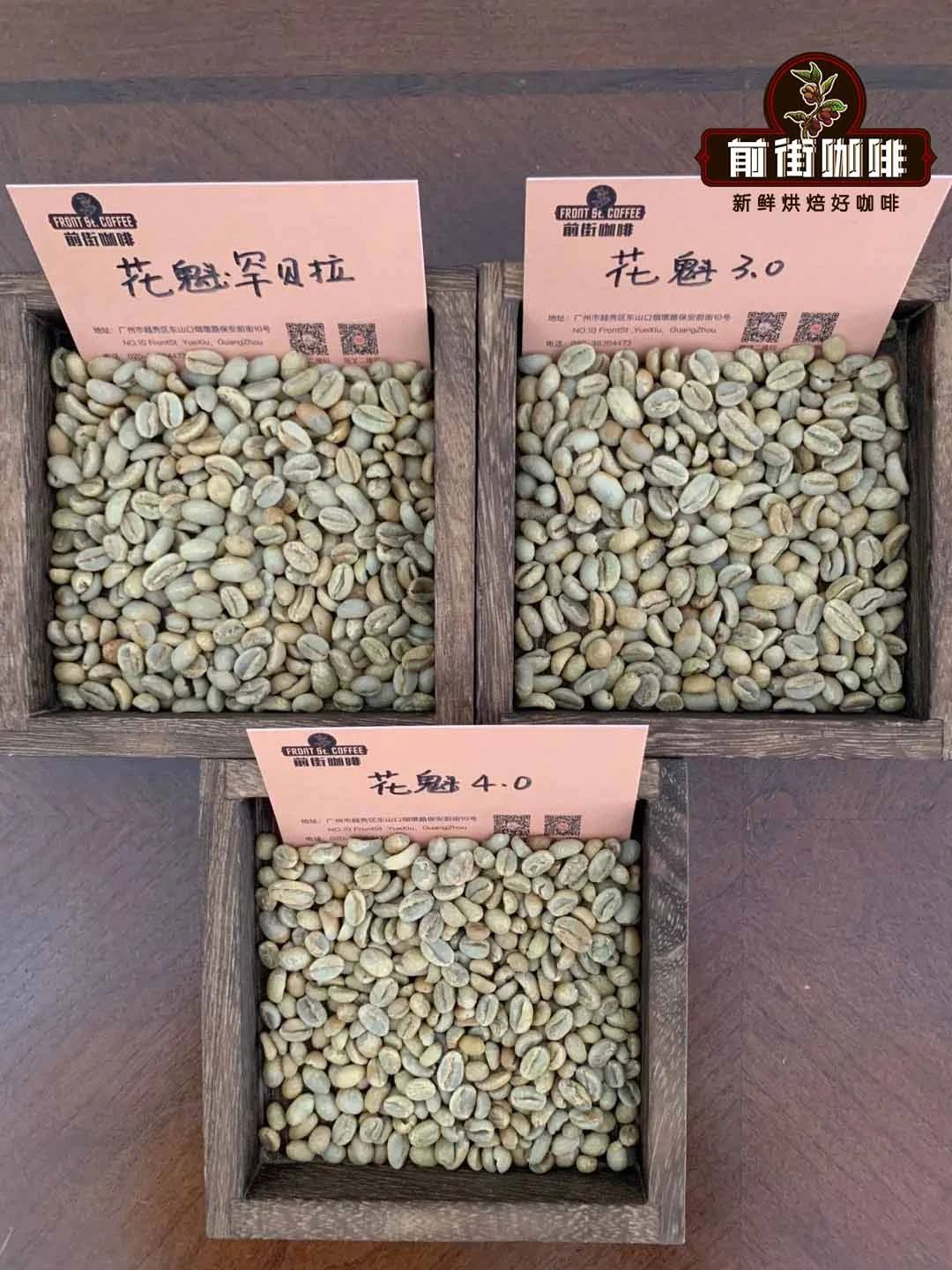
When observing the 2021 vintage Small-Bean Huakui and Huakui 5.0 both in their raw and roasted forms, the most intuitive difference lies in bean size — the Small-Bean Huakui beans are visibly smaller and make up a higher proportion of the lot. After roasting to the same degree, we conducted a cupping comparison and found that the Small-Bean Huakui exhibits a deeper and richer strawberry aroma paired with a pronounced berry sweetness, resulting in an overall bolder flavor profile. In contrast, the Huakui 5.0 gives off a more vibrant berry acidity, with bright sourness and a juicy fruit character.
Specifically, the cupping flavor profile of the Small-Bean Huakui is dominated by creamy strawberry, citrus, passionfruit, and fermented wine notes, offering a strong and layered aroma. The Huakui 5.0, on the other hand, features berry, citrus, honey, mango, and subtle floral notes, with an overall flavor closer to the bright acidity, sweetness, and juice-like qualities commonly associated with the Guji region.
To ensure a fairer comparison, we used unified pour over parameters for the extraction test: V60 #01 filter cone, water temperature controlled at 90–91°C, 15 grams of coffee, a 1:15 coffee-to-water ratio, and medium-fine grind (approximately 80% through a Chinese standard No. 20 sieve). The brewing method followed a three-stage pour — starting with a 30-second bloom using 30 grams of water, then pouring in a slow circular motion until reaching 125 grams for the first pour, waiting for the water level to drop just before exposing the coffee bed before pouring again to 225 grams, then stopping and removing the filter once the water level drops near the bed again, with a total brew time of around 2 minutes.
The actual pour over results showed that under these parameters, the Small-Bean Huakui presented a distinctly sweet berry profile, including creamy strawberry and passionfruit tones, with a full-bodied mouthfeel and intense fruitiness. The Huakui 5.0 showcased fresh floral notes, with a blend of bright berry, citrus, and plum acidity interwoven with mango-like juiciness and honey sweetness, leaving an aftertaste reminiscent of smooth black tea, overall presenting a crisper and more vibrant profile.
Whether you are a coffee lover who prefers intense fruit flavors and creamy textures, or someone who favors bright acidity and refreshing juice-like notes, this comprehensive evaluation of the 2021 Huakui 5.0 and Small-Bean Huakui will offer you practical insights for selection and brewing.
The above content is compiled by CoffeeHunters, a coffee news website.


