







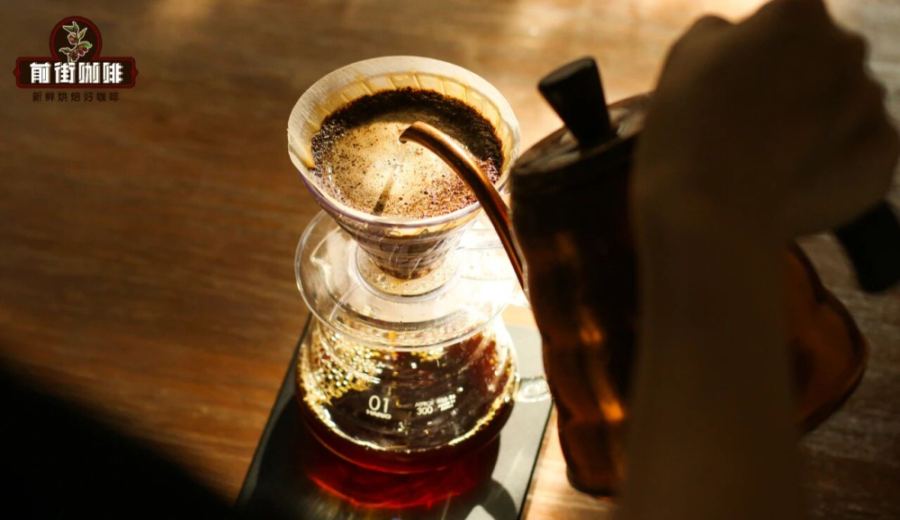
Introduction:Want to brew coffee with distinct layers and clear flavors? The three-stage pouring method is one of the practical techniques for pour-over beginners to improve their extraction skills. This article breaks down each stage of the three-stage pour with real examples, explains how each stage affects flavor presentation, and provides specific parameters and hands-on tips to help you master a more precise extraction rhythm.
The three-stage pouring method is a common and practical extraction technique in pour-over brewing. By controlling water flow and pouring time in stages, it can effectively enhance the overall complexity and clarity of coffee flavors. Many beginners often wonder how this technique works and what role each pouring stage plays. This article will use a real example—Panama Finca Esmeralda Washed Green Label Geisha—to take you in-depth into the operational logic and actual flavor performance of the three-stage pour.
The so-called three-stage pour divides the entire extraction process into three stages, including the initial bloom step. The advantage of this segmented approach is that it allows for more detailed control over the focus of extraction at different stages, thereby highlighting the acidity, sweetness, and body of the coffee, making the overall taste more three-dimensional. Whether you're using a V60, Kalita Wave, or other drippers, as long as you master the essentials, you can use this technique to improve your brew quality.
Why does segmented extraction make coffee more layered? The key lies in water flow control and interaction with the coffee bed. Staged pouring reduces the risk of the coffee puck at the edge of the filter paper being washed away all at once, helping to maintain stable extraction pressure and flow rate. In addition, multiple pours also promote even agitation of the coffee grounds, allowing hot water to penetrate the coffee bed more thoroughly, improving overall extraction efficiency and avoiding over- or under-extraction in localized areas.
If you want to experience noticeable flavor changes through the three-stage pour, it’s recommended to start with high-altitude single-origin beans that have distinct floral and fruity profiles, especially those that are medium to light roasted. For example, natural-processed Huaguang, honey-processed blackberry-flavored beans, or Geisha and Sidamo varieties from well-known regions like Panama and Colombia. These beans usually have rich aromatic layers and are more likely to show subtle differences during pour-over brewing.
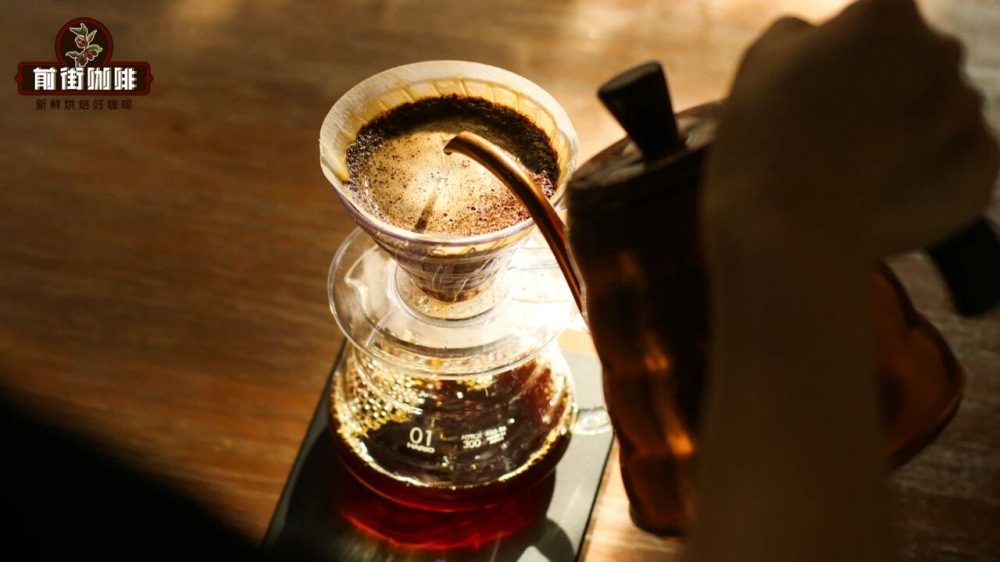
Below, we’ll break down the specific operations and flavor profiles of each stage of the three-stage pour using actual brewing data. This session uses a V60 #01 dripper, with 15 grams of coffee grounds, a 1:15 coffee-to-water ratio, and a grind size of approximately 0.85mm sieve passing rate of 78–80% (close to the coarseness of fine sugar). Water temperature is controlled at 90°C, suitable for highlighting the delicate aromas and balanced acidity-sweetness of Geisha.
The first stage is the bloom phase, which is also the foundation of the entire extraction. First, preheat the server and dripper, and wet the filter paper with a small amount of hot water and then discard it. Next, pour about 30 grams of hot water in a circular motion from the center outward, then begin a 30-second bloom. Although this stage does not directly extract a large amount of flavor compounds, it is a crucial step for activating the coffee grounds and ensuring even heat distribution. This stage mainly extracts acidic substances from the coffee, and the flavor profile often reveals bright notes of olive, plum, and citrus. The acidity is vibrant with a slight greenness, laying the groundwork for subsequent flavors.
The second pour begins after the bloom ends. At this point, move the dripper over another clean server and pour 95 grams of hot water in a circular motion. The focus of this stage is to bring out the coffee’s sweetness and mid-palate flavors. Common expressions include the sweet aromas of honey, brown sugar, and caramel, accompanied by notes of almond, jasmine, and a slight tea-like quality. The flavors extracted in this stage are rounder, with acidity relatively subdued. The overall mouthfeel is soft and progressively layered, serving as a bridge connecting the earlier acidity and the later body.
The third stage is the finale of the extraction. After the second pour’s coffee liquid has completely dripped through, move the dripper to a new server again and pour the final 100 grams of hot water. This stage is mainly responsible for extracting the coffee’s body and aftertaste. Common flavors include woody notes, an earthy quality, and a lingering aftertaste reminiscent of Tieguanyin tea. However, for this particular Green Label Geisha, the flavors in this stage are relatively mild, with a noticeable drop in concentration. It mainly presents soft woody aromas and a subtle aftertaste, making it the most understated of the three stages.
If you taste the coffee liquids from the three stages separately, you can clearly perceive the unique flavor characteristics of each. However, when we combine the three stages’ liquids, the overall presentation becomes more balanced and layered. At high temperatures, you can smell distinct jasmine and citrus aromas. The sip brings bright lemon acidity, floral notes, and honey sweetness. As the temperature slightly drops, the acidity becomes more focused, accompanied by the fragrance of ginger lily and jasmine, along with the lasting aftertaste of Tieguanyin. When cooled further, the acidity gradually fades, leaving behind more floral and sweet aftertastes. The overall flavor becomes rounder and longer-lasting.
In summary, the three-stage pour not only helps you grasp the coffee extraction rhythm more precisely but also effectively enhances the diversity and layering of flavors. For pour-over beginners, this is a practical technique worth practicing. With the right coffee beans and stable parameters, you too can brew surprising pour-over results.
The above content is compiled by CoffeeHunters, a coffee news website.


