







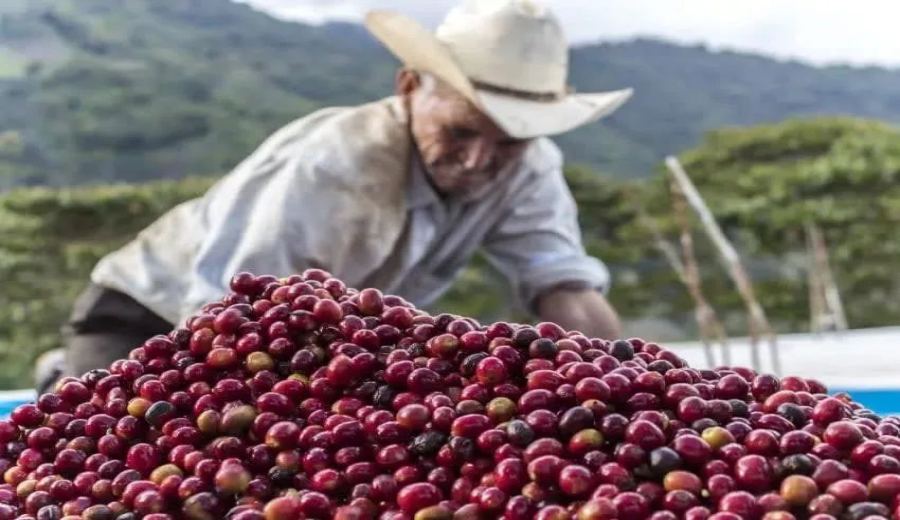
Introduction:This article delves into the Pacas washed coffee beans from the San Vicente mill in Santa Bárbara, Honduras, comprehensively analyzing their flavor profile through regional environment, processing methods, variety characteristics, and roast performance. It also provides practical V60 step-brewing parameters and brewing suggestions, ideal for pour-over enthusiasts and those seeking layered coffee experiences.
Honduras’ Copán region is renowned for its intense chocolate notes paired with honey and caramel sweetness, and the local San Vicente mill is a frequent contender in the Cup of Excellence (COE) competitions. The featured Pacas beans are grown by smallholder Edgardo Tinoco near the San Vicente mill. After undergoing washed processing, they reveal captivating layers of black cherry, black chocolate cake, almond, and caramel. Below is a detailed breakdown of this coffee’s full story—from regional background and processing to brewing techniques.
Copán Region, Honduras: Cradle of Premium Coffee
Copán Province, located in western Honduras bordering Guatemala, relies on coffee cultivation not only as a key economic driver but also as the region’s most iconic agricultural product. The harvest season here typically runs from November to March each year. The climate and high-altitude conditions contribute to the coffee’s pronounced chocolate base, along with sweet aftertastes of honey and caramel—distinctive hallmarks of the region.
San Vicente Mill: The Story Behind a COE Regular
The San Vicente mill is situated in the town of Peña Blanca, Santa Bárbara Province, within Honduras’ important western coffee belt. Operated by the San Vicente family, it has long been dedicated to improving the planting and post-harvest techniques of local smallholders, while maintaining strict cupping protocols to ensure quality. Coffees produced at this mill have repeatedly achieved top results in COE competitions, attesting to their consistently high-quality green beans.
In addition, the mill sources coffee cherries from surrounding smallholders in areas such as El Cielito, Las Flores, and El Cedral. Since these farmers produce limited quantities that prevent individual lot processing, the mill consolidates their cherries for unified processing while still preserving the distinctive traits of high sweetness and fruity profiles.
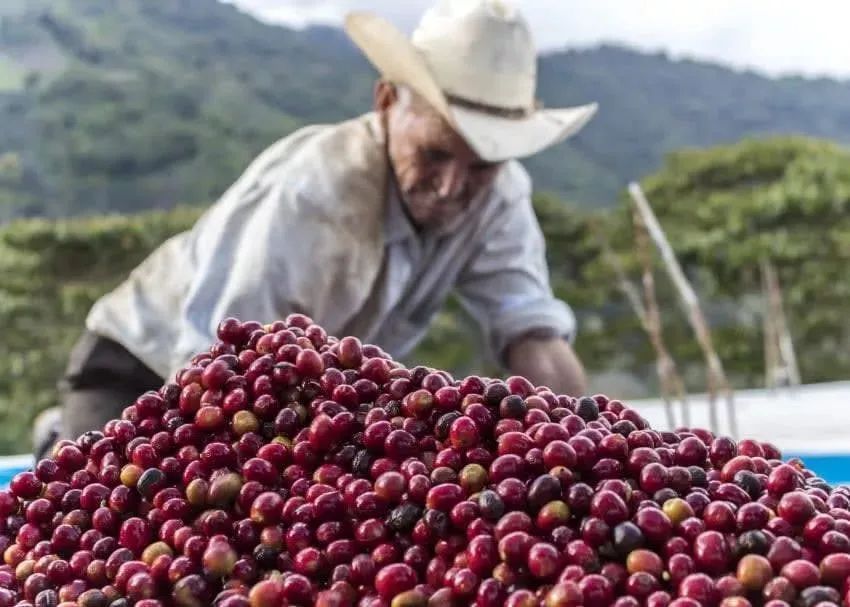
Smallholder Edgardo Tinoco and the Pacas Variety
These coffee beans come from the smallholder village of Edgardo Tinoco near the San Vicente mill. Due to the generally small-scale coffee cultivation in the area, micro-lot sales are difficult. As a result, the mill handles the unified harvesting and processing, then introduces the coffee to the market under the village name. This model maintains quality consistency while helping small producers enter the specialty coffee supply chain.
The Pacas variety used here is a natural mutation of Bourbon, sharing similar traits with Brazil’s Caturra. Owing to a genetic mutation, Pacas plants are shorter (commonly referred to as dwarf varieties), which facilitates management and harvesting and allows for higher planting density, thereby increasing yield per unit area. Visually, Pacas resembles Caturra, but its beans are slightly thinner than those of Bourbon, with a more refined side profile.
Washed Processing: The Key to Clear Flavor
These beans undergo the washed process (Washed Process)—a classic technique aimed at achieving clean, bright flavor profiles. After harvesting, the coffee cherries are first depulped to remove the outer skin and part of the fruit flesh, then the mucilage-covered beans are placed in wooden fermentation tanks for 18 to 24 hours of washed fermentation. Once fermentation is complete, the beans are rinsed with clean water and the residual mucilage is removed through friction between the beans. Finally, the beans are evenly spread on drying beds, with moisture content controlled to around 12% before the final removal of the parchment layer.
This processing method effectively highlights the coffee’s intrinsic flavors while minimizing interference from impurities, making the characteristics of black cherry, almond, and caramel more distinct.
Roasting & Cupping: Precise Capture of Flavor Profiles
In terms of roasting, this Pacas coffee follows a medium-light roast profile, emphasizing clear acidity and layered sweetness. According to roast records, the initial charge temperature was set at 175°C, with the air damper gradually adjusted to match bean changes. Once the beans turned yellow and the grassy notes faded, the main drying phase began, followed by dropping the batch about 1 minute and 38 seconds after first crack, at an exit temperature of 193°C—to ensure sufficient flavor development without over-roasting.
Cupping results showed pronounced almond and black chocolate cake aromas in the dry scent, while the wet aroma released a fresh green apple note. The flavor profile is diverse, including black cherry, green grape, black chocolate cake, almond, and caramel, overall balanced and highly distinctive.
V60 Pour-Over Parameters & Step-Brewing Suggestions
To fully showcase the layered characteristics of this coffee, it is recommended to use a V60 filter cone with a medium-fine grind (approximately 78% passing rate through a #20 sieve). Below are tested and effective brewing parameters:
Dose:15 grams
Brew ratio:1:15
Water temperature:91°C
Grind size:Medium-fine, close to the texture of fine sugar
Brewing steps:
- First pour: Add 30 grams of water for blooming, for about 30 seconds, allowing the coffee bed to form a "hamburger" shape.
- Second pour: At the 1-minute mark, pour up to 125 grams of water. When the water level drops to two-thirds of the coffee bed, proceed to the third pour.
- Third pour: At 1 minute and 45 seconds, pour up to 225 grams of water. Total brew time should be controlled to around 2 minutes and 2 seconds.
After brewing, gently swirl the coffee to distribute flavors evenly before tasting.
Flavor Experience: Layered Changes from Hot to Cool
When freshly brewed, the hot stage reveals a slightly astringent plum tone, paired with the sweet-tartness of black cherry and the aroma of almond. As the coffee cools, the juicy character of black cherry becomes more pronounced, with the richness of black chocolate cake, the lively acidity of green grapes, and the lingering notes of caramel and almond unfolding in layers—a specialty coffee worthy of careful savoring.
The above content is compiled by CoffeeHunters, a coffee news website.


