








Introduction:An in-depth exploration of the honey-processed Geisha coffee beans from Panama’s Boquete high-altitude region. From volcanic soil and microclimates to the transformational mechanisms of honey processing, this guide helps you understand the characteristics of this specialty bean that combines sweetness with floral and fruity aromas. The article provides detailed roasting curves, professional cupping data, and V60 three-stage pour over parameters ideal for highlighting its layered flavors — a practical guide for coffee enthusiasts looking to explore the world of honey processing.
Panamanian Geisha beans are commonly processed using natural or washed methods, showcasing rich berry or bright citrus profiles respectively. However, a honey-processed Geisha from the Boquete region stands out with its uniquely sweet and smooth flavor. This article delves into the geographical conditions of the region, the evolution of honey processing technology, the development of the Geisha variety, and shares professional roasting and V60 pour over brewing methods to help readers fully appreciate the charm of this distinctive bean.
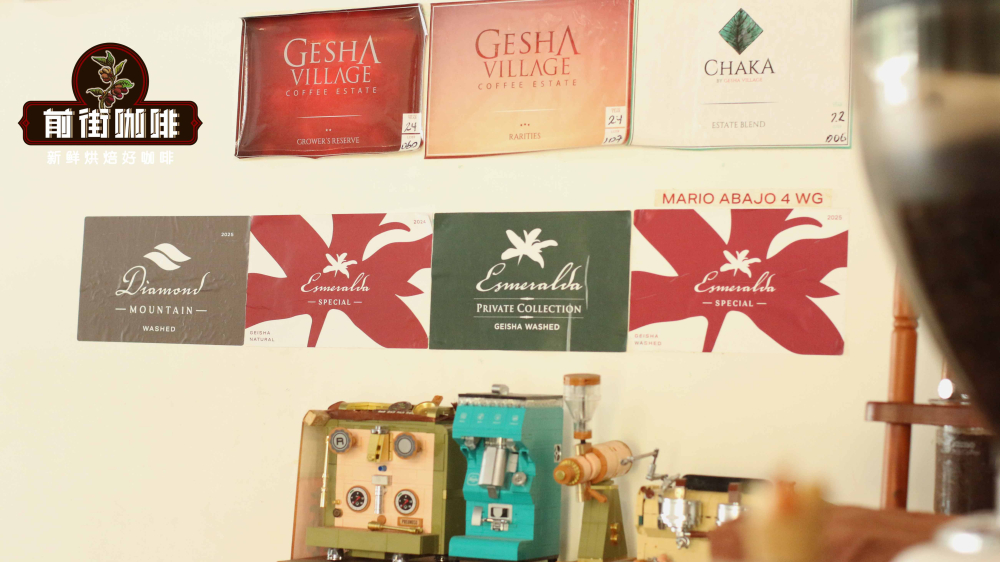
Boquete is located at the foot of the Baru Volcano, characterized by typical high-altitude volcanic terrain. Its fertile volcanic ash soil, cool and misty microclimate, along with the humid environment brought by nearby rivers, create a micro-ecosystem highly suitable for coffee cultivation. In addition to the renowned Finca El Esmeralda, the area also hosts producers such as Finca Eldora and Finca Caturra Duncan, all dedicated to specialty coffee and collectively maintaining the region’s reputation for high quality.
The star of this article — the Panama Boquete honey-processed Geisha — is grown at an altitude of 1600–1650 meters. The hallmark of the honey process lies in retaining the mucilage (fruit pulp) that clings to the beans after the skin is removed. As it dries under the sun, the natural sugars within the mucilage permeate the beans, enhancing sweetness and body. Compared to the clean acidity of traditional washed processing, the honey method highlights rounder fruitiness and a caramel-like aftertaste.
Honey processing technology originated in mid-to-late 21st century Costa Rica. Small-scale processing mills sought to differentiate their offerings by experimenting with leaving the mucilage layer intact after removing the outer skin, then applying controlled temperature drying to allow sugar transformation. This innovative approach resulted in distinctly sweet coffee, hence the name "honey process." The batch of Boquete honey-processed Geisha purchased for this article was verified through cupping to retain the Geisha variety’s signature fresh white floral notes, along with a distinctively sweet apple-like character.
The Geisha (Geisha) variety was first discovered in the forests of Ethiopia in 1931, later traveling through Kenya and Uganda before being introduced to Panama in the 1960s, where it long went unnoticed. It wasn’t until 2004 that Finca El Esmeralda uncovered its potential via competitions, achieving fame for its unique floral notes and complex layers. Today, Geisha has become a star variety in the specialty coffee scene, especially excelling in high-altitude environments where its delicate flavors can truly shine.
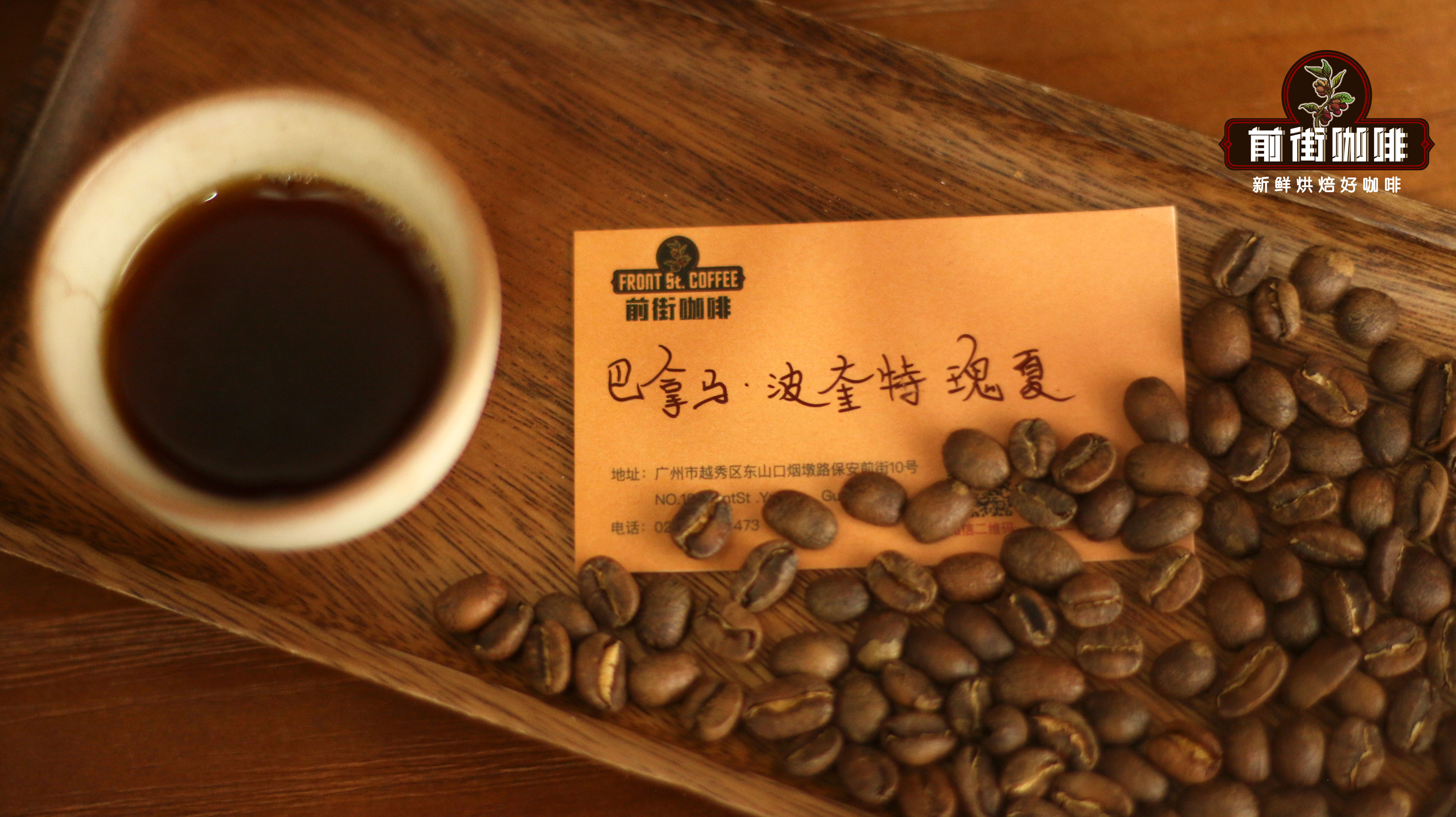
For this Boquete honey-processed Geisha, the roaster opted for a medium-light roast to preserve its vibrant aroma and sweet characteristics. Using a Yangjia 800N semi-direct-fire roaster with a 300g bean charge, the initial drum temperature was set at 170°C. Through precise control of the turning point, drying phase heat and air damper adjustments, first crack occurred at 8 minutes and 37 seconds, with roasting completed at 190.5°C. This curve balances acidity sharpness and sweetness expression, making it ideal for highlighting the unique flavors of the honey process.
Cupping data shows that the beans perform best 8–24 hours post-roast: dry aroma presents clear lemon notes, while wet aroma transitions into orange tones. The flavor profile includes citrus, plum, sweet orange, and apple fruit acids, accompanied by creamy texture, jasmine floral notes, and fermented sweetness, with a finish reminiscent of the delicate aftertaste of oolong tea. Concentration falls within the Golden Cup standard range (1.15%–1.35%), with a recommended extraction ratio of 1:18.18 (11g coffee to 200ml water).
For V60 pour over, a three-stage pouring method is recommended to fully bring out the layers: use a #01 filter, 15g coffee, a 1:16 coffee-to-water ratio, with water temperature controlled at 90°C and grind size medium-fine (79% passing through a #20 sieve). The first stage involves pouring 30g of water for a 30-second bloom to initiate aroma release; the second stage uses circular pouring of 110g to ensure even extraction; when the water level drops to half the coffee bed, the third stage adds 100g until filtration completes, with total brew time around 2 minutes. These parameters effectively balance citrus acidity, creamy sweetness, and tea-like finish.
In actual brewing, this honey-processed Geisha delivers a rich sensory experience: the initial aromas include fermentation notes and white floral scents; the first sip brings bright citrus and lemon acidity; the mid-palate reveals emerging creamy sweetness; and the finish transitions into a refreshing green tea-like note akin to apple, accompanied by lingering cane sugar and honey aftertaste. For coffee lovers who enjoy floral-fruity profiles and balanced sweetness, this is an exceptionally worthwhile option.
The above content is compiled by CoffeeHunters, a coffee news website.


