







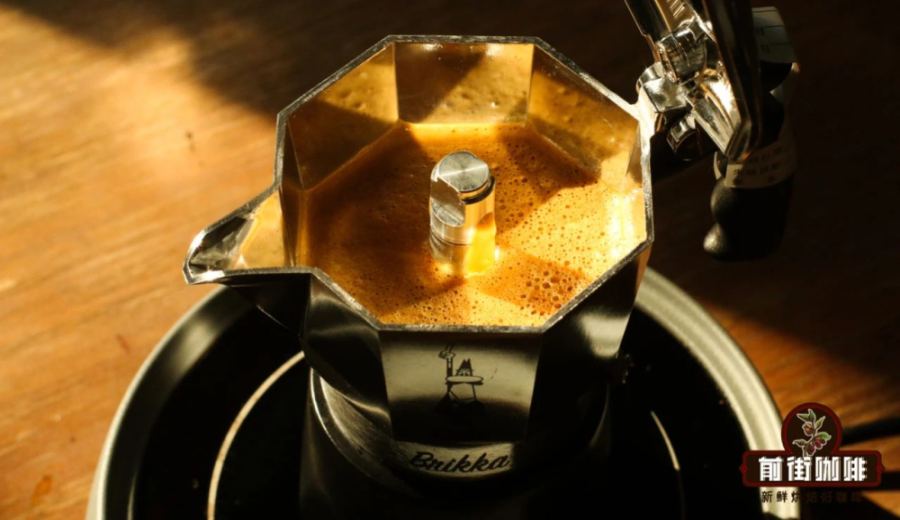
Introduction:The moka pot is a classic tool for many coffee beginners stepping into the world of espresso. Not only is it simple to operate, but it can also produce richly flavored coffee with an intense Italian character. This article will delve into the structure and working principle of the moka pot, the types of coffee beans and grind sizes that suit it best, and will break down step-by-step the entire process—from filling water, adding coffee grounds, to heating and extraction—helping you master the techniques for brewing thick, aromatic coffee at home.
As a classic symbol of Italian coffee culture, the moka pot has become a top choice for many coffee enthusiasts thanks to its timeless design and ease of use. This tool is not only suitable for everyday home use, but can also be adjusted to cater to different flavor extraction needs, making it ideal for various scenarios. This article will take you through the basics—from fundamental principles and device structure, to coffee bean selection, recommended grind size, and practical steps—to help you fully understand how to brew a richly flavored cup of coffee using a moka pot.
The moka pot was invented in 1933 by Italian designer Alfonso Bialetti and remains one of the most popular coffee tools worldwide to this day. Its defining feature is the use of pressure generated by heat to push steam through a bed of coffee grounds, extracting a concentrated coffee liquid similar to espresso. Compared to traditional drip or pour over methods, coffee brewed with a moka pot usually has a thicker mouthfeel, along with distinct layers of crema and aroma.
Most moka pots available on the market today are made of stainless steel. Compared to earlier aluminum models, they are not only more durable but also suitable for use on induction stovetops, offering greater flexibility. In terms of capacity, the most common designs are for 2 to 3 servings, making them ideal for everyday family use or small gatherings. If you’re just starting out with a moka pot, it’s recommended to begin with these medium or small-sized models for easier control over extraction conditions.
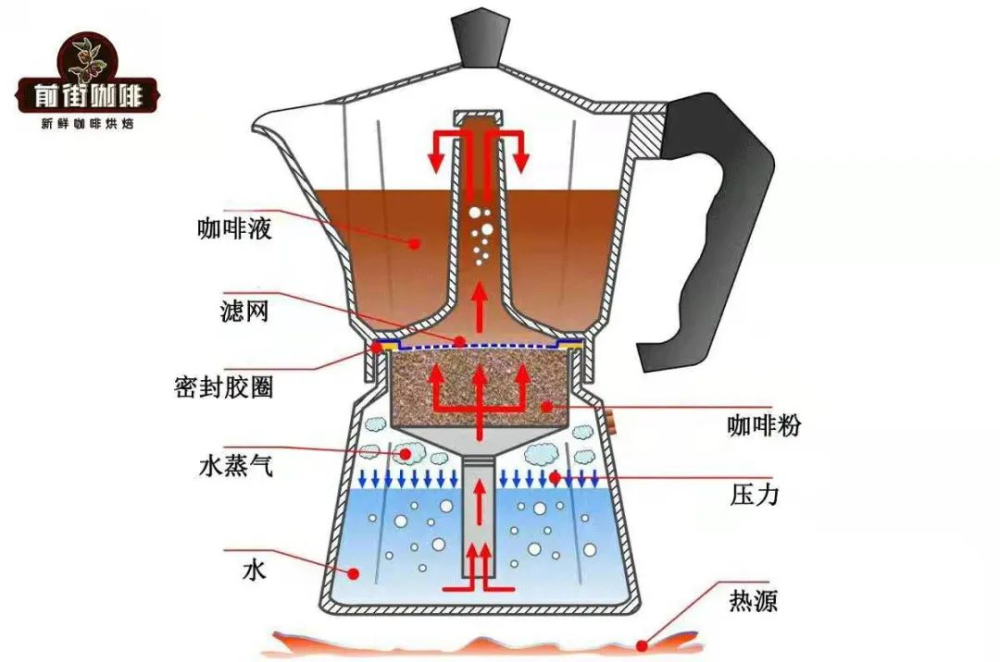
In terms of structure, the moka pot is mainly divided into three core components: the upper chamber holds the finished brewed coffee, the middle funnel is where the ground coffee is placed, and the lower chamber is used to hold water and generate heating pressure. When heated, the water in the lower chamber turns to steam, creating pressure that pushes the hot water upward through the layer of coffee grounds, eventually collecting in the upper chamber to form a cup of concentrated coffee. This pressure-based extraction method is the key reason why the moka pot can deliver such a bold flavor and rich crema.
Before using a moka pot, you’ll need to prepare the following tools: freshly roasted coffee beans (it’s recommended to choose medium to dark roasts to help release the oils), a suitable grinder, a heating device (such as a halogen stove or gas stove), and clean water. To achieve the best extraction results and optimal crema, it’s recommended to use a medium to dark roast blend—for example, common blends of Brazilian, Indonesian, and Vietnamese beans. These beans typically have rich notes of caramel, chocolate, and nuts, making them well-suited to the characteristics of moka pot brewing.
Regarding grind size, the coffee grounds for a moka pot should be between pour over and espresso in coarseness. If ground too fine, water will pass through more slowly, which can lead to over-extraction and may even cause the hot water to spray due to excessive pressure. If ground too coarse, extraction will be insufficient, resulting in a weak and bland cup of coffee.It is recommended to use a setting similar to #3 to #3.5 on a grinder like the EK43s, with a texture that is finer than granulated sugar but not as fine as the powder used for espresso machines.
In terms of the actual operation process, start by pouring hot water into the lower chamber. The water level should be about 0.5 cm below the safety valve, roughly 100 grams of water, corresponding to about 20 grams of coffee grounds when leveled off, with a coffee-to-water ratio of approximately 1:5.Using hot water instead of cold water can effectively shorten the extraction time and reduce the risk of over-extraction.Be sure not to fill the water above the safety valve position to avoid affecting normal pressure release.
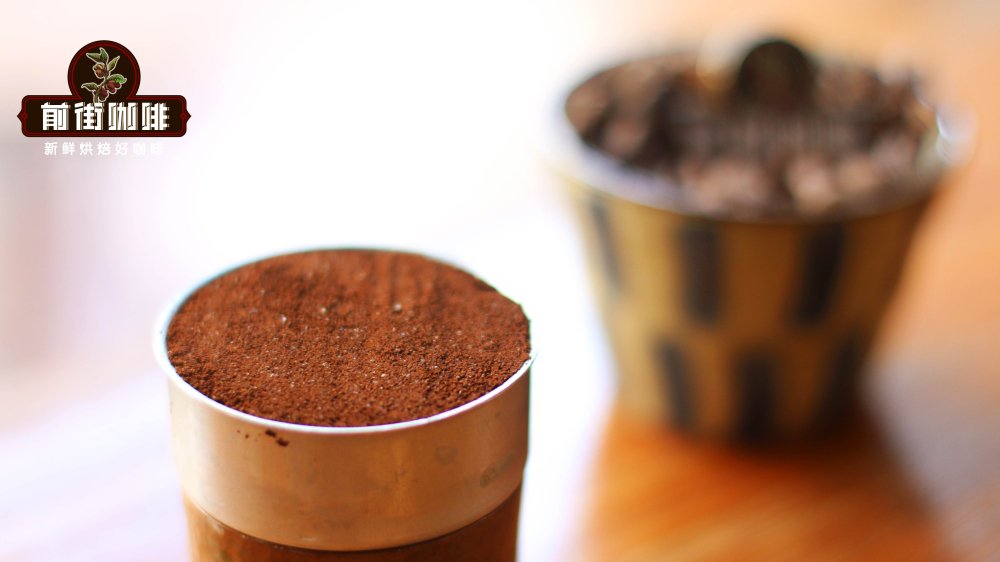
Next, pour the ground coffee into the funnel, gently level it, and lightly tamp it—but don’t press too hard, as this may affect water flow. At this point, you can refer to the gap of the filter screen in the funnel to ensure the coffee grounds are not too loose and falling through, but also not so tightly packed that they block water flow.How evenly the coffee grounds are distributed will directly affect the stability of extraction and the balance of flavors.
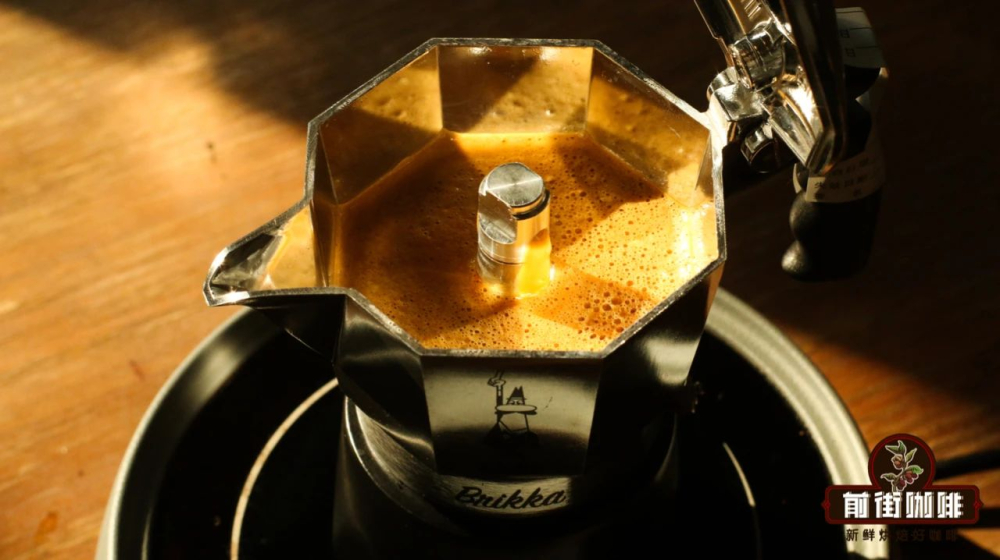
Place the funnel back into the lower chamber, securely tighten the upper chamber, and prevent any leaks or pressure loss during heating. Place the entire setup on your heating device. It is recommended to start with low to medium heat. Once you hear a slight hissing sound from inside the pot, it means pressure is gradually building. At this point, you can reduce the flame and slightly open the upper chamber lid to observe the flow of coffee.
When the coffee in the upper chamber has accumulated to about half full, you can turn off the heat and allow the remaining heat and pressure to complete the final stage of extraction. This not only helps prevent over-extraction but also preserves more delicate flavors. It’s important to note that the metal material of the moka pot becomes extremely hot when heated, so be very careful during operation to avoid burns.

The brewed coffee can be enjoyed as is, with a rich and bold flavor that suits those who prefer stronger tastes. If you’d like to adjust the texture, you can also add hot milk according to your preference to make a latte or cappuccino. Using freshly roasted medium to dark roast coffee beans helps release more aromatic compounds and oils, especially beans that have undergone proper resting. Under pressure extraction, these beans can showcase layers of caramel, dark cocoa, and nuts, making for a richer coffee experience.
In summary, the moka pot is a classic coffee tool that combines ease of use with impressive flavor performance. As long as you master the grind size, coffee-to-water ratio, and heating techniques, you can easily recreate an espresso-like intense flavor at home. Why not start today, and explore your own unique moka pot flavor with your favorite coffee beans?
The above content is compiled by CoffeeHunters, a coffee news website.


