







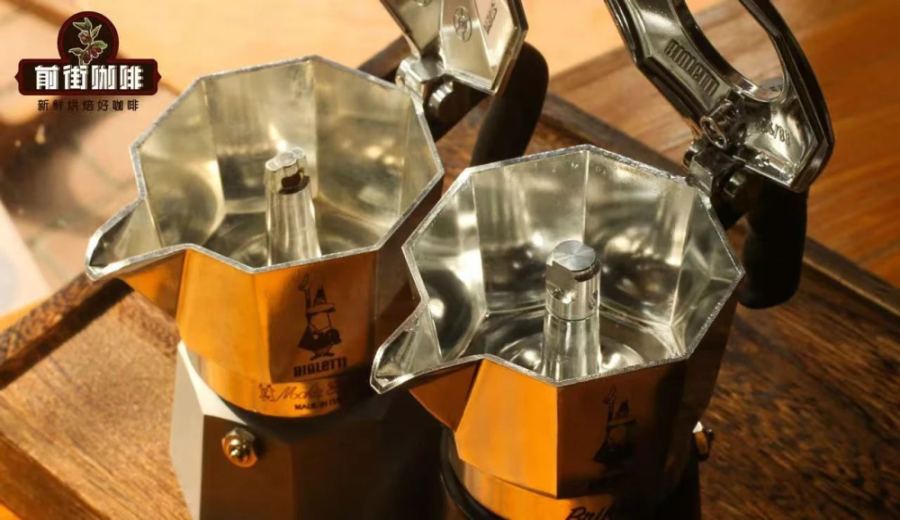
Introduction:Many moka pot coffee enthusiasts have wondered why the coffee they brew at home always lacks that coveted layer of golden crema. In fact, the crema produced by a moka pot is essentially the same as that of an espresso shot—both are foams formed by carbon dioxide and emulsified oils. The difference lies in the lower pressure of the moka pot, which results in a coarser and thinner foam. This article delves into the science behind crema formation and offers practical advice on bean selection, grind size, water temperature, and brewing techniques to help you successfully extract rich, velvety moka pot crema.
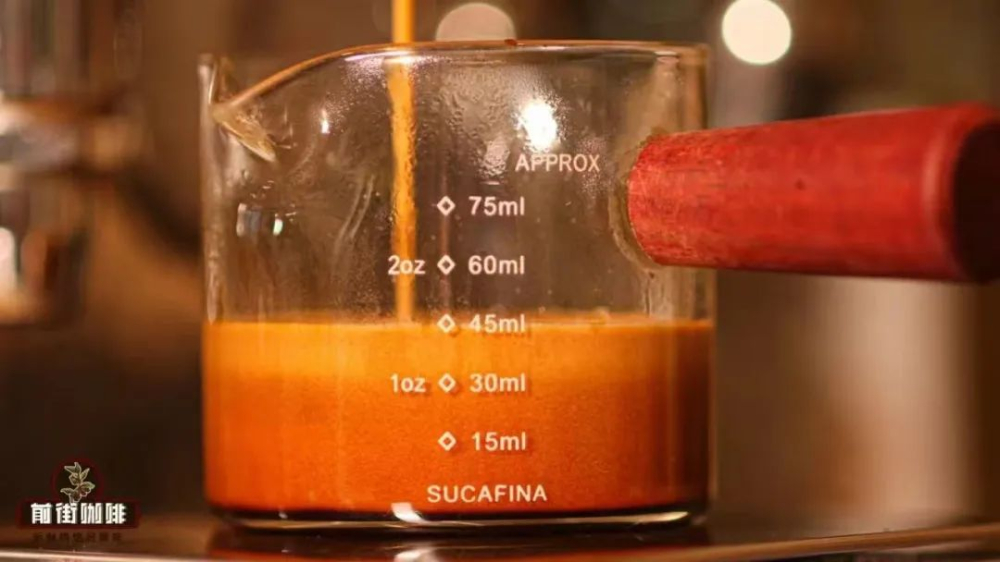
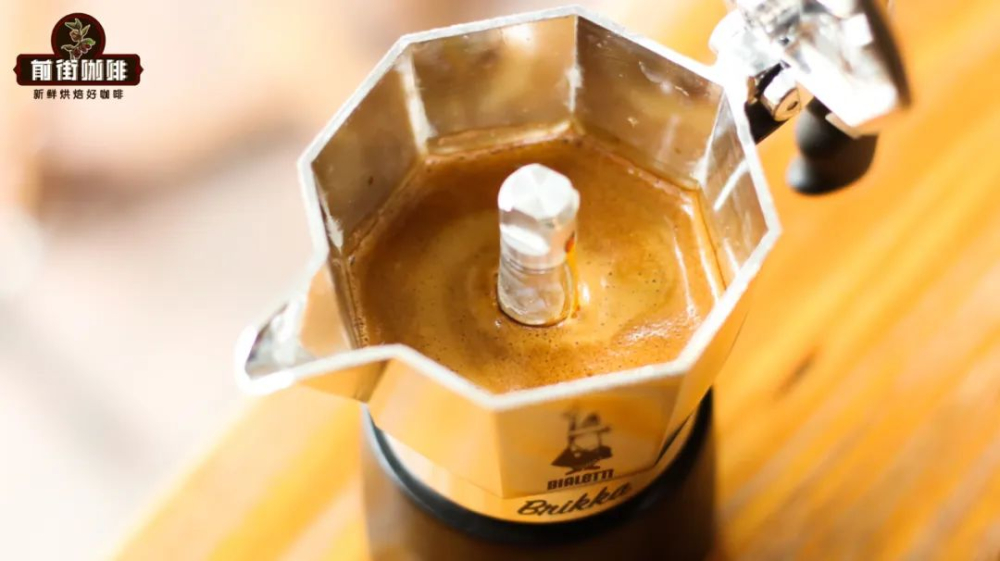
A common issue many moka pot users face is why the coffee they brew at home doesn’t have that enchanting layer of golden crema. Compared to the thick, creamy foam shown in café photos, their brew often appears thin. In reality, this so-called “crema” — whether from a moka pot or an espresso machine — is a foam made up of tiny bubbles filled with carbon dioxide and enveloped by the natural oils in coffee. The main difference is pressure — the extraction pressure of a moka pot is much lower than that of a professional espresso machine, typically around 3 bar compared to 9 bar, which is why the moka pot’s foam is coarser and less dense.
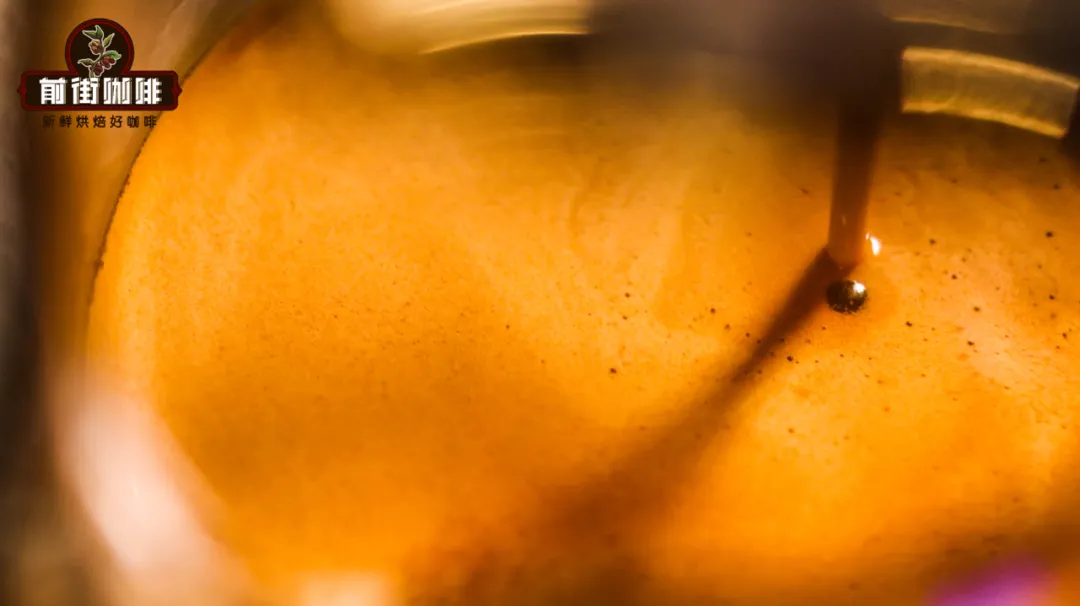
To understand how to improve this, it’s essential first to grasp what crema really is. The so-called “coffee crema” is not pure oil but a collection of numerous tiny bubbles filled with carbon dioxide and coated with the coffee’s natural lipids. Because the bubbles are so small, they appear to the naked eye as a smooth layer of oil. However, due to insufficient pressure in a moka pot, these bubbles are larger and more unevenly distributed, making them look more like foam rather than the fine, creamy layer seen in espresso.
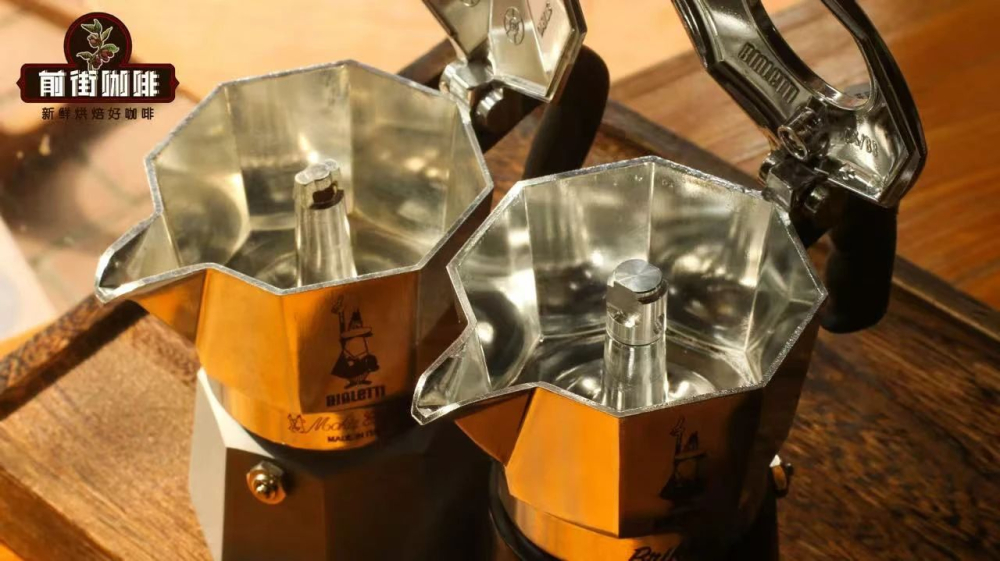
Although the appearance and mouthfeel of moka pot crema may not match that of a professional espresso machine, by mastering the right techniques, you can still achieve a satisfyingly thick and rich crema. Next, we’ll explore several key factors — including coffee bean selection, grind size, water temperature, and whether to use a pressure valve — to help you effectively enhance the crema performance of your moka pot coffee.
The type of coffee beans you choose has a significant impact on whether your moka pot can produce rich crema. Since crema comes from the carbon dioxide within the coffee beans, the roast level and freshness of the beans directly affect the amount of carbon dioxide. Generally speaking, dark roasted beans release more gases during the roasting process and, if stored properly, retain more active carbon dioxide, making it easier to form a thick crema layer during extraction. Additionally, freshly roasted beans contain more gases than older ones, which also helps improve crema performance.
If you prefer a bold, rich flavor, it’s recommended to choose dark roasted beans, such as those with distinct chocolate and caramel notes. These beans not only easily release abundant crema but also showcase excellent flavor layers when paired with milk. However, if you’re sensitive to bitterness, you might opt for medium roasted beans, which often have fruity or floral profiles. While their crema performance is also commendable, the overall taste tends to be crisper and more refreshing.
Once you’ve selected the right coffee beans, the next step is the actual brewing process. To achieve thicker crema from your moka pot, the primary goal is to increase the extraction pressure. Although a moka pot can’t reach the high pressure of an espresso machine, you can still use certain techniques to get closer to the ideal pressure, thereby improving the texture and thickness of the crema.
First is adjusting the grind size. It’s recommended to grind the coffee to a fineness close to that of espresso — about as fine as flour. This kind of grind increases the overall resistance of the coffee puck, requiring greater pressure for hot water to pass through the coffee bed, which promotes more carbon dioxide release and emulsification, helping to form a richer crema layer. If you want to further increase resistance, you can also moderately increase the amount of coffee packed, allowing the water to pass through a thicker puck and thus raising the extraction pressure.
Secondly, controlling the water temperature during heating is equally important. It’s recommended to use preheated water that’s close to boiling point for extraction. This reduces the time needed to heat the water to boiling, shortens the total contact time between coffee grounds and water, and helps avoid over-extraction and a collapse of the coffee puck structure. Additionally, once the moka pot starts to drip, you can reduce the heat or remove the pot from the heat source as soon as the water level just covers the bottom — this helps stabilize the flow rate of extraction, resulting in a more even and refined crema layer.
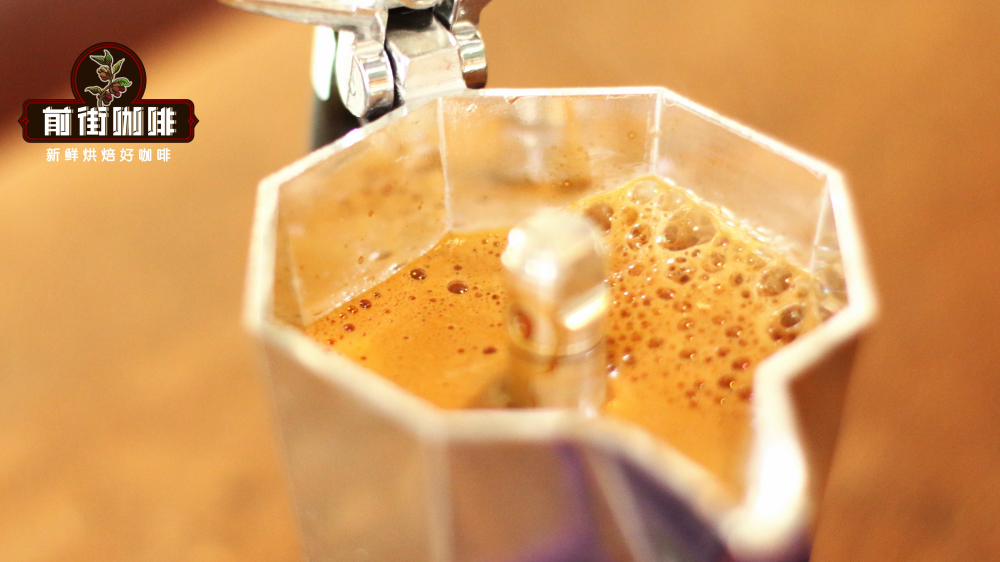
If you want to further increase the pressure, consider using a moka pot with a pressure valve — for example, models with a dual-valve design. These moka pots have an additional pressure valve, which means extraction requires higher pressure to begin flowing, encouraging more carbon dioxide to integrate into the crema and forming a richer, finer foam layer. If your moka pot has a single valve, there’s no need to rush to replace it. There are already specialized pressure valves available for single-valve models. As long as the model matches, you can install the upgrade yourself without needing to overhaul your equipment.
In summary, although a moka pot may not replicate the extraction conditions of a professional espresso machine, by mastering the right bean selection, grind size, water temperature, and brewing details, you can still brew coffee with rich layers and a thick crema. Whether you’re new to using a moka pot or have been a fan for some time, these tips can help you elevate the quality and satisfaction of every cup.
The above content is compiled by CoffeeHunters, a coffee news website.


