







Introduction:Want to understand the real differences between the washed and natural versions of Panama’s Geisha from Hacienda La Esmeralda? This article delves into the origin of the variety, the processing characteristics of two representative lots (Red Label and Green Label), and analyzes in depth their key differences in flavor profiles and aroma layers. It also provides practical pour over brewing recommendations and parameters tested for medium-light roasts, helping you choose the right Geisha version based on your taste preference and elevate your coffee experience.
The Geisha (also spelled Gesha) coffee variety has always held an unshakable position in the specialty coffee world. Whether you’re a beginner or a seasoned coffee enthusiast, the mention of Geisha always sparks curiosity and anticipation. So what makes this star bean from Panama’s Hacienda La Esmeralda stand out among so many specialty coffees? This article will start with its varietal background, take you deep into the unique flavor expressions brought by the traditional washed and natural processing methods, compare the two most iconic beans from La Esmeralda—Red Label and Green Label—and finally share practical pour over suggestions and parameters to help you fully grasp this legendary coffee.
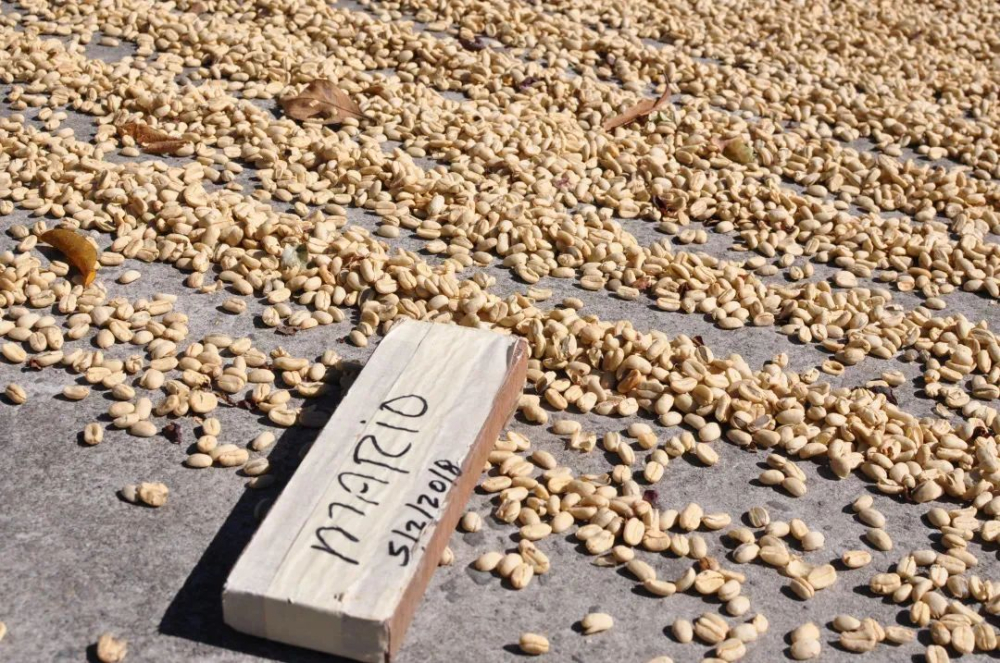
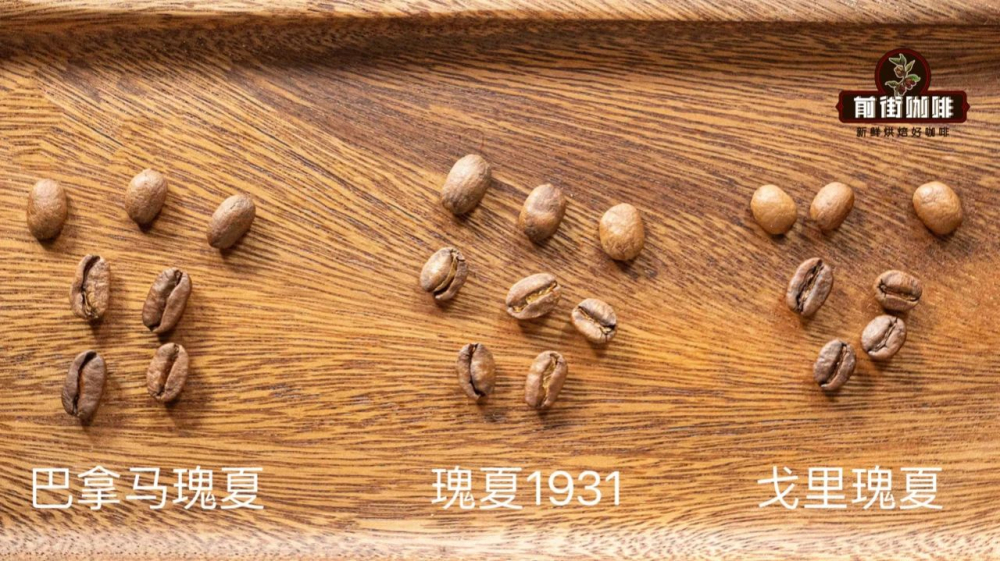
The Geisha variety can be traced back to 1931, when it was discovered in the Gesha forest of Ethiopia. It was later introduced by the Kenya Coffee Research Institute and gradually spread to Uganda, Tanzania, Costa Rica, and other regions, finally arriving in Panama in 1970. However, for decades, Geisha did not receive much special attention until 2003, when Hacienda La Esmeralda (also known as Hacienda Esmeralda) began planting it separately from other varieties. In the 2004 Best of Panama (BOP) competition, it won first place, propelling this coffee bean onto the international stage. The reason Geisha can exhibit such delicate and captivating aromas and acidity is inseparable from its strict growing environment requirements—high altitude, cloud cover, and fertile soil—all of which together create its unique floral and fruity character.
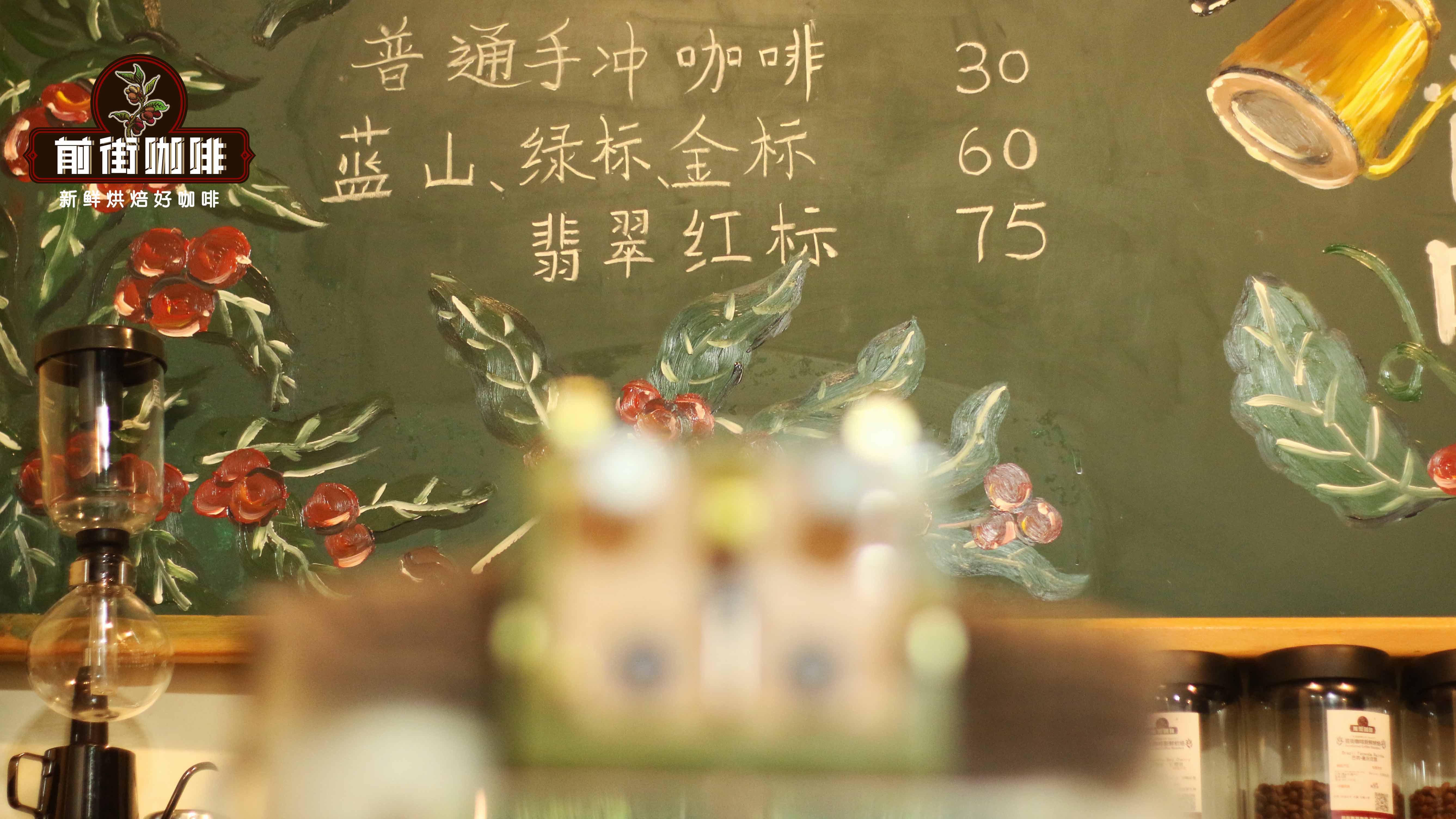
When it comes to processing methods, washed and natural are two of the most classic and also the most capable of highlighting Geisha’s potential. The biggest difference between the two lies in the degree of fermentation and the retention of fruit pulp. Washed processing first removes the fruit pulp from the surface of the coffee bean, then proceeds with fermentation and washing, resulting in a flavor that is usually cleaner and brighter in acidity, with refreshing fruity acids like citrus and lemon, along with honey-like notes, and prominent floral aromas such as jasmine or white flowers. In contrast, natural processing retains some of the fruit pulp for prolonged sun exposure, allowing the coffee beans to absorb more sugars and fermented flavors from the pulp, resulting in a richer and fuller mouthfeel, often with wine-like body, berry juice notes, and deeper caramel and honey sweetness. In short, washed brings a fresh and bright profile, while natural offers a rich and full-bodied one—each excels in its own way.
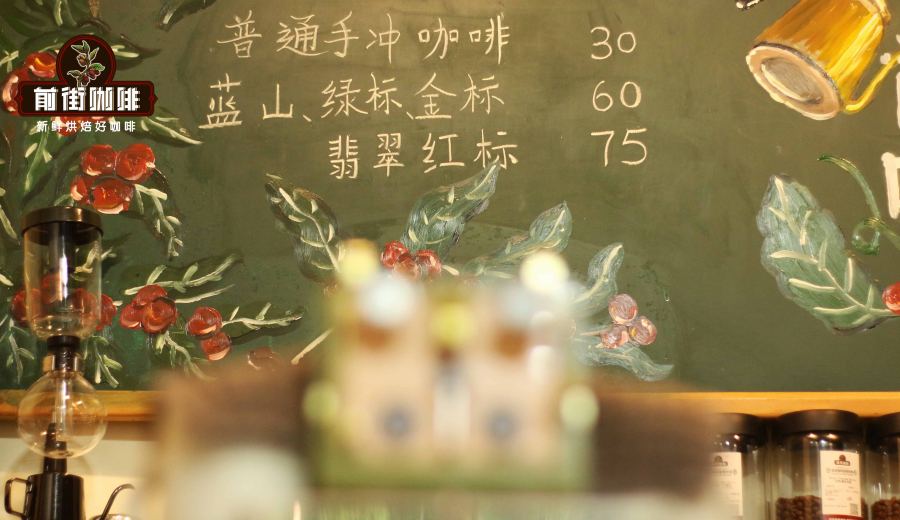
Among the product lineup of Hacienda La Esmeralda, the most talked-about are undoubtedly the Red Label and Green Label Geisha beans. The Red Label Geisha, also known as Esmeralda Special, is carefully selected from high-altitude micro-lots grown between 1600–1800 meters above sea level. These beans must pass rigorous cupping tests with scores exceeding 90 to be included in this grade. They typically come from core lots such as Jaramillo, not only offering delicate aromas but also possessing an ultimate level of floral fragrance and complex fruit acidity and sweetness. It’s worth noting that Hacienda La Esmeralda holds an annual independent auction, and the auction-grade Red Label comes from these top lots. Although non-auction Red Label beans (also from the same lots but not part of the auction process) are available on the market, their flavor profiles remain similar to the auction lots, with the main difference being the price.
As for the Green Label Geisha, it belongs to the private collection grade. Though it does not participate in auctions, it still maintains a high standard of quality. Green Label beans are mainly a blend from various micro-lots such as Jaramillo and Canas Verdes, and therefore do not have as clear an indication of specific lot origins as the Red Label. Because it is a blended bean, slight variations in flavor may occur between batches, but overall it still possesses the delicacy and aroma layers expected of high-altitude Geisha. It often shares a highly similar flavor profile to the Red Label, though with slight differences in intensity and layering detail.
For coffee enthusiasts who enjoy pour over, how to correctly brew these two Geisha beans is also an art. To fully bring out the delicate floral notes, berry juice-like sweetness, and honey-like sweetness of Geisha, it is recommended to use a medium-light roast and extract with slightly higher water temperature (around 91–92°C), which helps to highlight the aromatic compounds and bright acidity unique to light-roasted beans. Using a filter cone like the V60, which offers fast flow and good air circulation, can further enhance extraction efficiency and flavor clarity.
Tested and recommended parameters are as follows: water temperature 91–92°C, coffee dosage 15 grams, coffee-to-water ratio 1:16, grind size approximately like fine sugar (about 80% passing through a #20 sieve). During pour over, start by pouring 30 grams of water for a 30-second bloom, followed by 95 grams of water (total around 125 grams), completed in about 1 minute; when the water level drops to about 2/3 of the coffee bed, pour the remaining 100 grams of water (total around 225 grams), completed in about 1 minute and 40 seconds. The total drip time should be around 2 minutes and 3 seconds, after which remove the filter cone to end the extraction.
Based on actual brewing results, the natural Red Label Geisha exhibits bright rose and citrus aromas, along with layered fruit notes such as brown rice, berries, and apricots. Its mouthfeel is full-bodied with strong juiciness, featuring rich layers and pronounced sweetness. On the other hand, the washed Green Label highlights jasmine floral notes as its main theme, with a prominent sweet entry, complemented by citrus and berry juice-like flavors, along with delicate notes of cream, green tea, orange peel, and cantaloupe. It has an overall balanced profile with a medium-long finish, where the floral and citrus tones linger persistently. Whether you prefer a bright and clean flavor or a rich and full-bodied one, these two classic Geisha beans offer distinctly amazing experiences.
The above content is compiled by CoffeeHunters, a coffee news website.


