








Introduction:Want to recreate the rich, layered flavor of café-style iced americano at home? This article takes an in-depth look at the iced americano-making process—from espresso extraction parameters and bean selection (blends vs. single-origin SOE), to ice-to-water ratios and flavor adjustment techniques. It helps you master the key details and understand why most professional shops prefer blends for consistent performance, while also offering advice on using SOE so you can find your ideal coffee combination based on taste.
Although autumn has begun, many regions remain hot, and a refreshing iced americano remains a favorite among coffee lovers. Many customers have noted that some cafés serve iced americanos with a subtle wine-like aftertaste that’s truly memorable. So, should you use single-origin beans (SOE) or a blend for iced americano? How do they differ in flavor expression and extraction stability? This article will detail the iced americano brewing method, analyze key espresso extraction parameters, compare the real-world performance of blends and SOEs in iced americanos, and provide practical adjustment tips to help you easily brew your perfect cup.
 Even though the calendar says it’s autumn, temperatures in many places remain high. Many customers still habitually order an iced americano to cool down and quench their thirst. Interestingly, many specifically mention that certain cafés’ iced americanos carry a faint hint of wine aroma, becoming a memorable highlight. What kind of beans should you use for iced americano, and how should you brew it to bring out the best flavors? This article will guide you step-by-step from practical experience.
If you enjoy a bold, rich coffee with a thick crema and caramel and chocolate notes, a well-known brand’s classic blend is a great choice. This espresso blend, often recommended for beginners, works well in both espresso machines and moka pots. It showcases distinct flavors of butter, roasted hazelnuts, dark chocolate, and caramel. As espresso, it has a full-bodied and rich mouthfeel; as a black coffee, it’s mellow and refreshing, and when milk is added, it becomes smooth and silky—perfect for latte lovers.
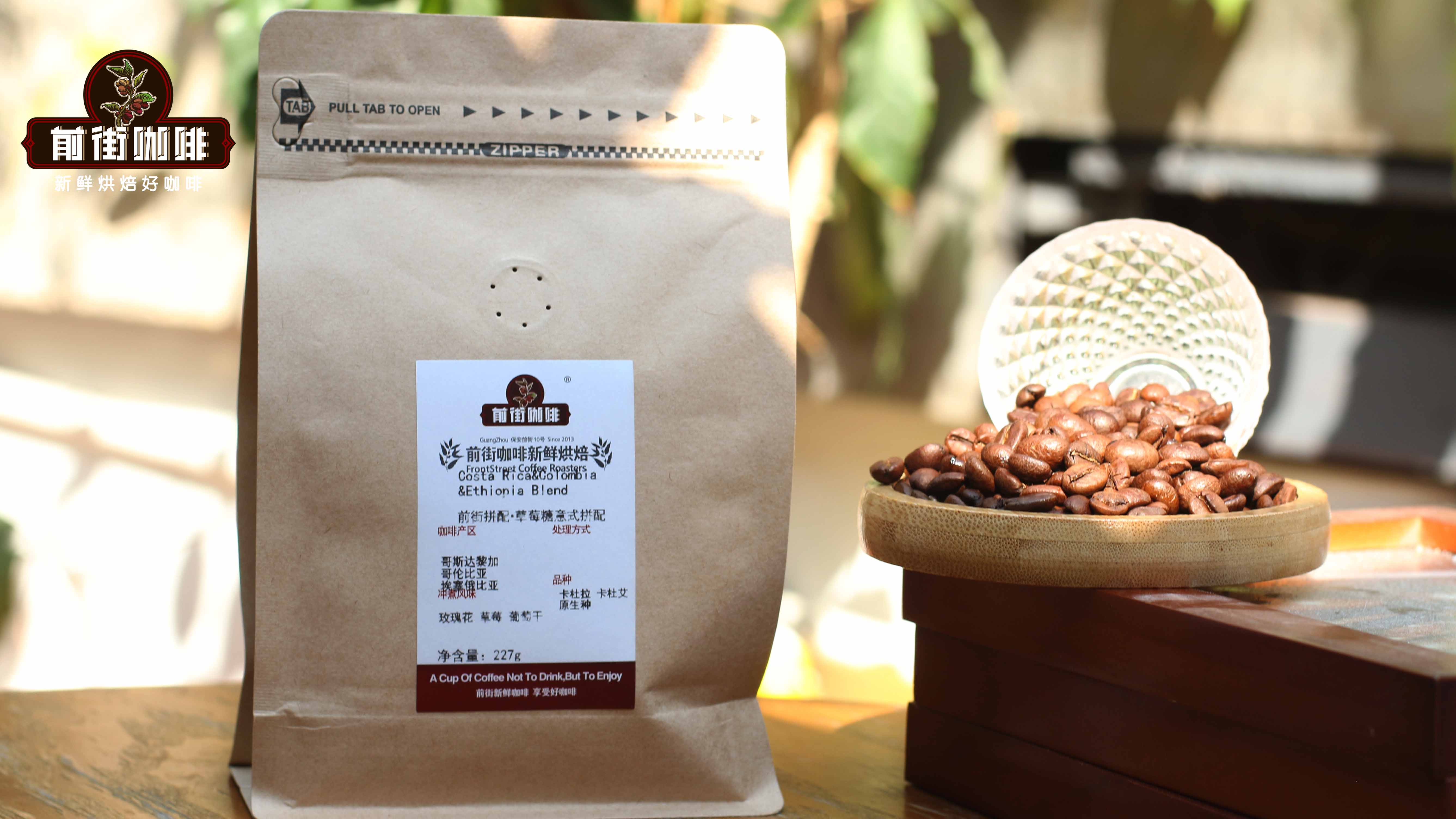
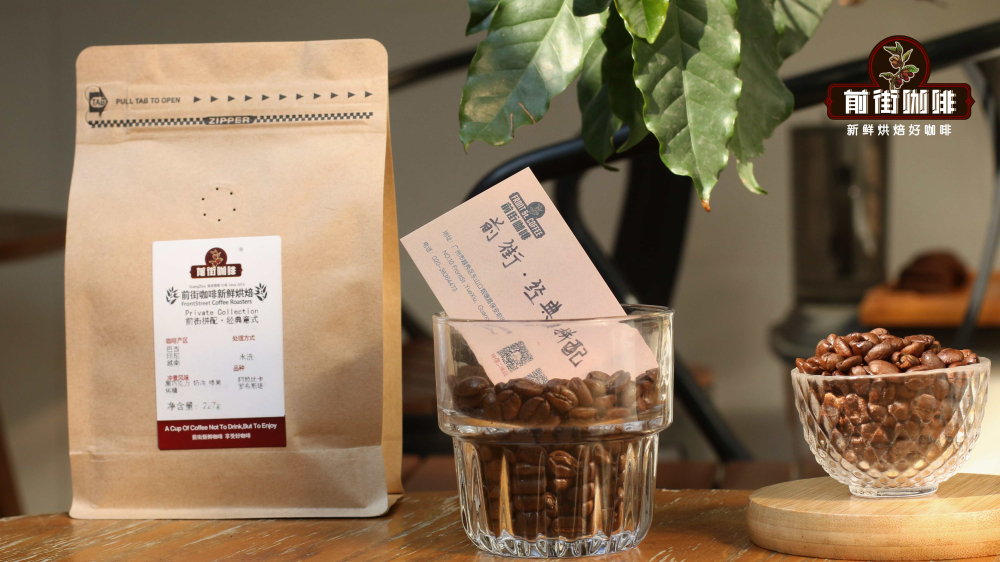 If you prefer a brighter flavor with lower bitterness, consider a fruit-forward blend, such as one combining beans from Costa Rica, Colombia, and Ethiopia. These blends often feature aromas of rose, citrus, grapes, and dried blueberries. The resulting iced americano offers a sweet, candy-like fruitiness with balanced acidity and sweetness, and a rich layering of flavors.
A well-known brand’s standard espresso extraction parameters are as follows: using a double shot (20g of coffee), water temperature controlled at 94°C, extraction pressure at 9 bar, extraction time between 25 to 32 seconds, yielding about 40ml of espresso. With these parameters, the blend delivers a smooth flavor, medium body, with prominent rose floral notes, accompanied by distinct blueberry and grape fruitiness, along with a soft chocolatey aftertaste. The overall profile is balanced and easy to drink.
Making iced americano is actually very simple—the basic ratio is 1:6 espresso to iced water. Here’s how a well-known brand does it:
Step one: Brew a double shot of espresso using the parameters above.
Step two: Prepare about 240ml of iced water mixture, adjusting the ratio of ice to water to suit your personal taste.
Step three: Pour the freshly brewed espresso directly into the iced water, stir gently to mix, and it’s ready to enjoy. This way, you get a cool, refreshing iced americano with clear, distinct flavors.
So why do many professional shops tend to use blends rather than single-origin SOE (Single Origin Espresso) for iced americanos? The reason is that blends, through carefully combining beans from different regions and varieties, achieve balance between acidity, sweetness, bitterness, and aroma, complementing each other to create a more stable and layered flavor profile. This combination ensures consistency in every cup, avoiding large fluctuations due to the characteristics of a single type of bean.
In contrast, while SOE beans can highlight the unique flavors of a specific origin, under the high-pressure environment of espresso extraction, the bean’s inherent traits—including potentially sharp acidity or unexpected off-flavors—can be amplified. Especially when citrus notes that perform well in pour over may become overly prominent or even astringent in espresso, and are more prone to over-extraction, leading to bitterness and unpleasant aftertastes. Additionally, SOE extraction parameters often require frequent adjustments—not only wasting coffee but also increasing the difficulty of maintaining consistent output. That’s why many shops choose not to offer SOE options for now.
However, if you still want to try making iced americano with SOE, here are some suggestions to consider:
First, SOE beans are usually roasted lighter to preserve the origin’s original flavor characteristics, but this also means flavor compounds are less likely to be released during extraction. It’s recommended to adjust the grind size (finer), extend extraction time, or slightly increase the coffee dose to improve extraction yield.
Second, because the base flavor of SOE is relatively light, it’s advisable to adjust the ice-to-water ratio when making iced americano, or fine-tune the amount of espresso used according to taste preferences, to avoid the final drink turning out too thin or bland.
Finally, when selecting SOE beans, pay extra attention to roast quality and freshness. Over-roasting or improper storage can amplify the shortcomings of a single origin, negatively affecting overall flavor. In addition, bean uniformity and grind coarseness directly impact extraction results—using a high-quality grinder is recommended to ensure a stable coffee flow.
The above content is compiled by CoffeeHunters, a coffee news website.


