







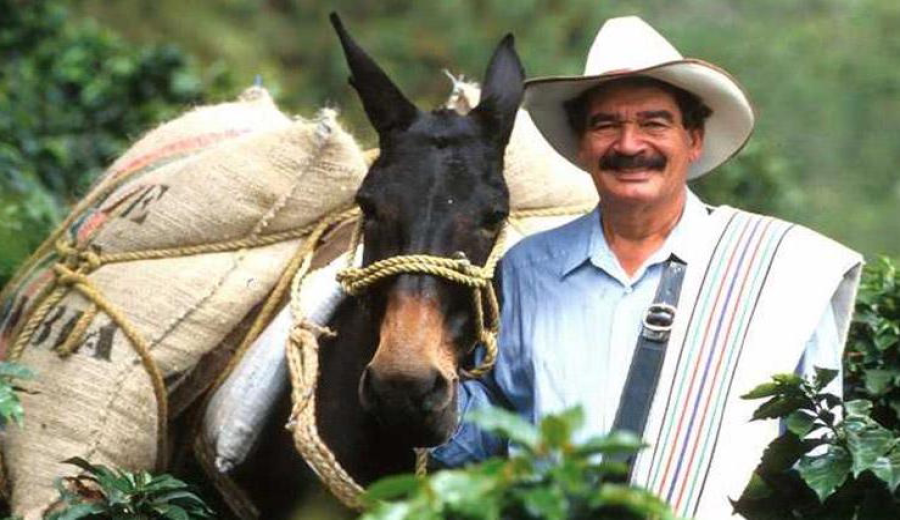
Introduction:Colombia is a globally renowned specialty coffee origin, beloved for its balanced flavors and consistent quality. This article provides an in-depth analysis of Colombia’s major coffee-growing regions, how FNC ensures quality, as well as the grading and export standards of its coffee beans. It also offers practical medium-dark roast brewing parameters and techniques to help you fully appreciate the charm of Colombian coffee—from its regional background to its cup profile.
Colombian coffee is known for its mild yet layered aromas and has long ranked among the world’s top coffee-exporting nations. It is a top choice for many specialty coffee enthusiasts exploring single-origin coffees. This South American country not only holds a solid position in the market but is also a preferred entry point for many coffee beginners into the world of specialty coffee due to its stable and recognizable flavor profile.
So, what makes Colombian coffee’s unique flavor? The key lies in its exceptional geographical conditions and rigorous post-harvest processing. Colombia is traversed by the Andes Mountains, a highland terrain composed of three north-south mountain ranges that provide diverse and favorable microclimates for coffee cultivation. Coffee trees are mostly planted at altitudes between 800 and 2300 meters, particularly concentrated above 1500 meters. In such high-altitude environments, the large diurnal temperature variation and lower oxygen levels slow down the ripening process of coffee cherries, helping the beans accumulate more sugars and flavor compounds, resulting in high-density, solid-bodied premium green beans.
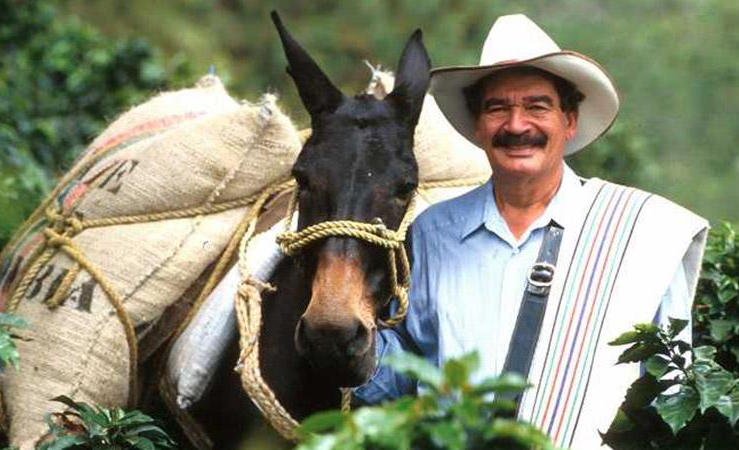
Moreover, local growers often plant coffee trees under banana trees or tall shade-providing trees. This shaded cultivation method effectively regulates sunlight exposure, mitigates the impact of afternoon heat on coffee cherries, and maintains humidity and stable temperatures within the plantation, further enhancing coffee quality. Smallholders often also build temporary shading structures for young seedlings to ensure optimal growing conditions during the early stages of growth.
The success of Colombian coffee relies not only on its natural advantages but also on the promotion and management by FNC (Federación Nacional de Cafeteros de Colombia, the Colombian National Federation of Coffee Growers). FNC is Colombia’s sole national-level coffee professional organization, representing over 560,000 coffee farmers and one of the largest agricultural NGOs globally. In addition to its efforts in international brand promotion, FNC is responsible for setting and enforcing export quality standards to ensure every batch of coffee exported from Colombia maintains a certain standard.
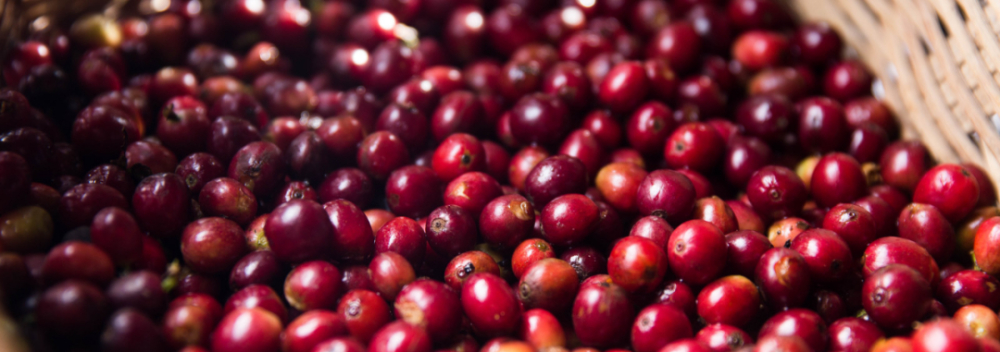
Currently, over 590 municipalities and 14 major coffee-growing regions across Colombia are involved in coffee cultivation, covering a total area of approximately 875,000 hectares. The vast majority of these are small family farms, with an average planting area of just 2 to 3 acres. Coffee cherries are mostly sent to community processing stations for washed processing, while some farmers operate their own primary processing facilities. The beans are then graded and exported based on the quality of the green coffee.
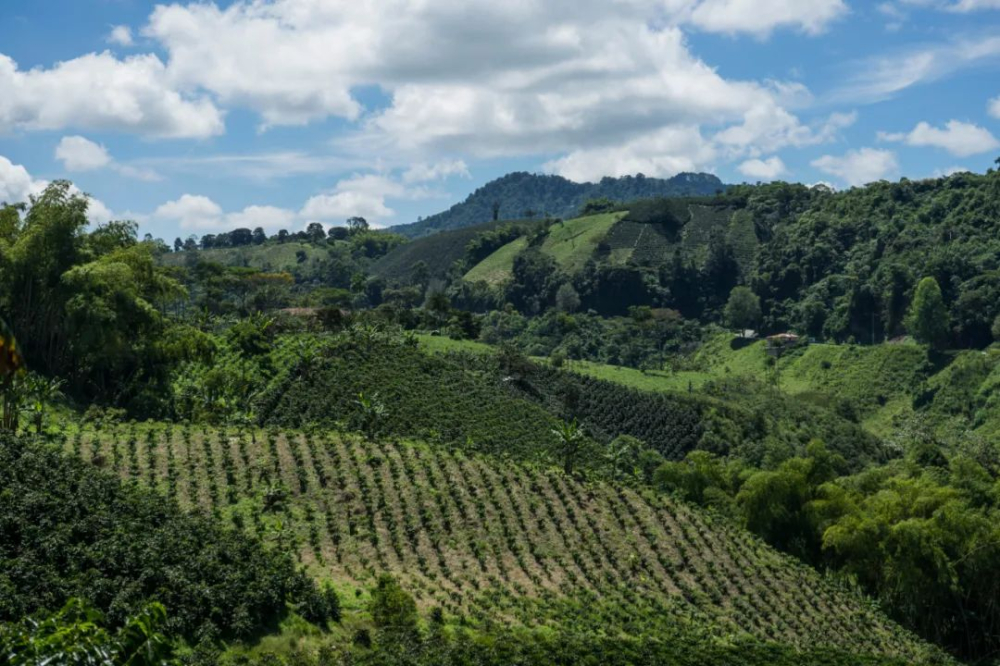
Specialty coffee in Colombia is mainly concentrated in the southern producing regions, including San Augustin in Huila Province, Popayan in Cauca Province, Nariño Province, and Tolima Province. These areas generally have altitudes exceeding 1500 meters, and the coffee produced here typically features bright acidity, rich berry notes, along with caramel and sweet aromas, delivering a diverse and balanced overall flavor profile.
In terms of varieties, Colombia mainly grows traditional Arabica varieties such as Caturra, Bourbon, Typica, and Pacamara. In recent years, there have also been small amounts of rare specialty varieties like Gesha. The region’s everyday beans use the widely planted Caturra variety, processed by the washed method. With a medium-dark roast, it presents a balanced flavor of acidity, sweetness, and bitterness, along with a full-bodied and clean mouthfeel.
Many people wonder, does a larger coffee bean size mean better quality? The answer is not necessarily, but in Colombia, green beans are indeed graded by size, which serves as one of the indicators of export quality. Grading is mainly done using sieves with different hole sizes—the higher the sieve number, the larger the beans that pass through. Common export grades include UGQ, EP, and Supremo. However, regardless of the grade, as long as they meet specific criteria and are intended for export, they are all categorized under the Excelso grade.
Excelso is the main export standard used by FNC, requiring that at least 50% of the 500-gram green bean sample consists of beans larger than 15 mesh, allowing up to 5% between 12 and 14 mesh, while all beans must be larger than 14 mesh. Additionally, export-grade Colombian green beans must meet strict criteria, including being free from pests and off-odors, having uniform color, no more than 24 defect points, and a moisture content not exceeding 12.5%. Each batch of green beans is meticulously recorded with a serial number and production region information for traceability. Upon export, Colombian coffee is typically labeled with names such as “Colombia Huila Supremo SC17/18 FNC,” clearly indicating the origin, grade, and processing method.
To fully experience the flavor characteristics of Colombian coffee, the brewing method also plays a key role. Take the medium-dark roasted everyday bean from the Huila region as an example—it tends to exhibit flavors of chocolate, nuts, and caramel with a full-bodied profile. It is suitable for medium grinding (e.g., around 75% passing through a 20-mesh sieve) and slightly lower water temperature (about 90°C) for extraction, which helps bring out sweetness and body while avoiding over-extraction of off-flavors.
It is recommended to use a KONO filter for pour over. The design of this filter extends the contact time between coffee grounds and water, and its unique rib structure and flow rate effectively improve extraction evenness and body. A three-stage pouring method is advised, with a 1:15 coffee-to-water ratio, a total of 15 grams of coffee, and an overall extraction time of about 2 minutes. Start with a 30-second bloom using twice the weight of coffee in water, then pour in small streams in a circular motion from the inside out until reaching 125 grams for the first pour, followed by a pause until the coffee bed settles. Continue pouring to 225 grams to complete the extraction.
This Colombian Huila coffee delivers prominent chocolate and nut aromas upon entry, with a full-bodied, smooth mouthfeel, soft and clean acidity. As it cools slightly, its delicate fruit acidity and balanced sweetness become more pronounced. It’s a classic choice that is perfect for daily drinking and for gaining a deeper understanding of Colombia’s terroir.
The above content is compiled by CoffeeHunters, a coffee news website.


