







Introduction:The captivating aroma of coffee stems from the intricate interplay of thousands of volatile and water-soluble compounds. This article delves into how the common floral and fruity notes found in light to medium roasted coffee are formed—breaking down influencing factors step by step, from variety genetics, green bean processing methods, roast profiles to brewing parameters. It also teaches you how to identify different aroma types through smell and taste, helping you grasp the flavor profile more precisely, whether you’re using pour over or drip bags.
The aroma and taste of a cup of coffee arise from the release of over a thousand volatile and water-soluble compounds during extraction. When hot water contacts ground coffee, these chemicals either evaporate as steam or dissolve into the liquid to interact with your taste buds. From a scientific perspective, brewing is essentially a refined process of extraction, and the final flavor profile depends on four key elements: the essence of the raw material, contact surface area, water temperature, and steeping time.
Among the many variables, the coffee bean variety plays a foundational role. The majority of high-quality specialty coffee on the market today uses Arabica beans, which naturally contain a richer array of aromatic compounds and flavor precursors. These substances transform during the subsequent roasting stage, with some generating volatile compounds that impart floral and fruity notes. It’s important to note that if the green beans do not carry specific aromatic genes, no corresponding flavors can be produced even through dark roasting or special processing.
Light to Medium RoastOften regarded as the golden range for preserving floral characteristics. As the degree of roasting deepens, substances within the bean continue to break down and polymerize, and some delicate floral notes can be easily overshadowed by caramelization or smoky tones. In contrast,light to moderate roastingnot only retains the original aromatic compounds but also presents a crisper mouthfeel, making floral notes such as jasmine, white flowers, or citrus more easily identifiable.
The freshness of the coffee beans is equally crucial. Properly stored green and roasted beans can maintain the stability of their aromatic compounds for a longer period. It is recommended to choose beans roasted within five days and to use them within 1 to 3 weeks after roasting for optimal flavor expression. Store them away from light and moisture, and keep the packaging sealed to help slow down the evaporation of aromatic substances.
When it comes to specific types of floral flavors, they can be roughly divided into three main profiles: fresh-floral, soft-floral, and muted-floral. Fresh-floral is dominated by simple white floral notes, commonly found in certain high-altitude Arabica varieties. Its aroma is pure without impurities, suitable for drinkers who prefer light and subtle flavors. Soft-floral carries sweet rose or grape notes, often derived from honey processing or special fermentation techniques, giving a warm and relaxing sensation. Muted-floral may seem slightly intense at first sniff, with notes resembling chamomile or osmanthus, and is suited for coffee enthusiasts seeking layered complexity.
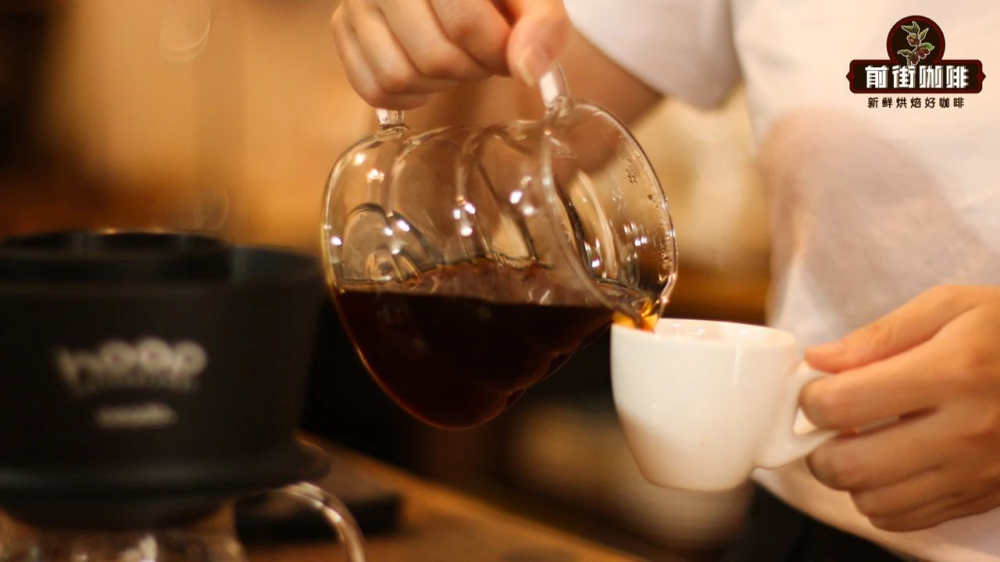
During actual tasting, floral notes are often most pronounced immediately after grinding and during the blooming phase. It is recommended to use a medium-fine grind (such as the 18–20 mesh sieve rate commonly used for pour over), and let the coffee grounds rest and bloom for 30–45 seconds before pouring water. The aromatic compounds released at this stage best reflect the bean’s inherent qualities. Additionally, when the coffee liquid cools to medium (around 60–70°C) to low temperatures (below 50°C), floral notes tend to become more prominent. You can compare them to the scent of fresh flowers in your memory to enhance your sensitivity to flavor identification.
If you want to explore different styles of floral-flavored coffee, here are some practical recommendations: If you prefer a refreshing white floral profile, go for beans with distinct white floral traits, suitable for pour over or drip bags. If you enjoy sweet, mellow floral notes with a tea-like undertone, try blends that combine honey processing and washed methods—their jasmine and green tea tones can also shine in cold brew. For those seeking a bolder, muted-floral experience, opt for options with initial aromas reminiscent of chrysanthemum or osmanthus and a relatively light roast degree, embarking on a richly layered olfactory journey.
The above content is compiled by CoffeeHunters, a coffee news website.


