







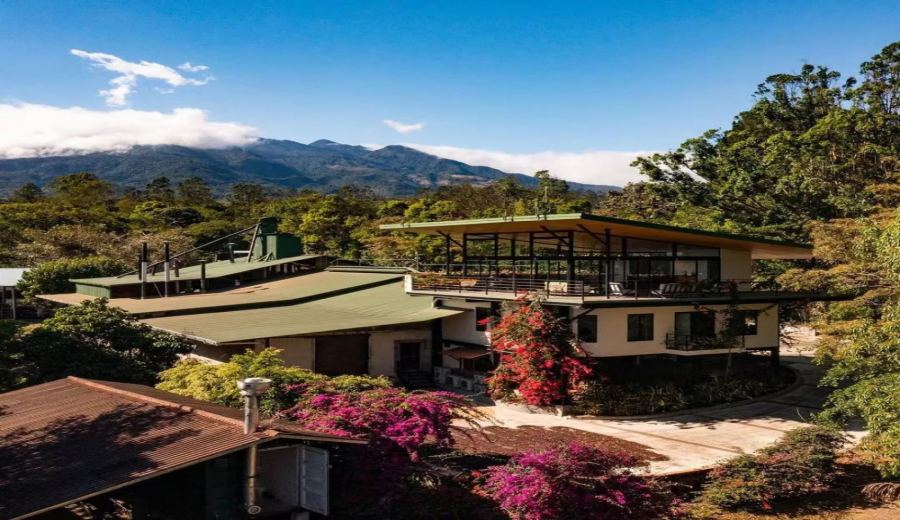
Introduction:The Boquete region in Panama is renowned for its exceptional microclimate and volcanic soil, which nurture the sun-dried Hua Die (Butterfly) coffee with Geisha lineage. This hybrid blend of Geisha, Caturra, and Catuai, with 70% Geisha heritage and a unique processing method, delivers a layered profile of tea-like aroma and citrus notes. This article takes you through the region’s environment, variety background, and brewing suggestions to fully appreciate the unique charm of this high-value specialty coffee.
Boquete is one of Panama’s most iconic specialty coffee regions, nestled next to the Volcán Barú and blessed with a distinctive microclimate and fertile volcanic soil. This area is not only home to renowned estates like La Esmeralda but also gave rise to more accessible gems like the Hua Die coffee. A blend of Geisha, Caturra, and Catuai, Hua Die contains up to 70% Geisha and is processed using the natural (sun-dried) method, showcasing a multi-layered flavor profile of tea, fermented fruit, and citrusy sweet orange.
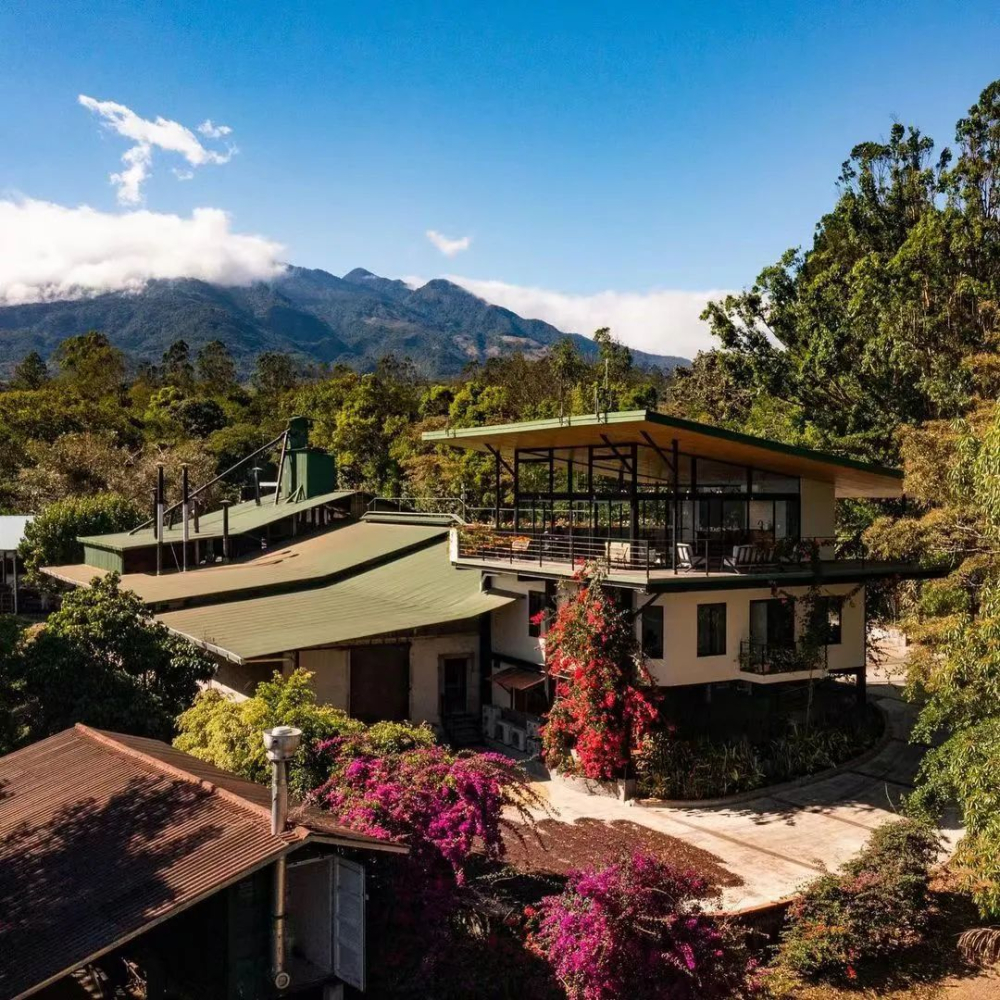
When it comes to Geisha, most coffee enthusiasts first think of Panama’s La Esmeralda estate. Located in Boquete, this estate has won numerous awards at the Best of Panama (BOP) competition. Today, we’re introducing Hua Die, which also hails from this legendary region but offers a more affordable price while delivering a Geisha-like flavor experience.
Boquete is located in the Chiriquí Province, bordering Costa Rica and close to the Volcán Barú. The area enjoys a mild climate and rich soil, making it an ideal place for growing high-quality coffee. As one of Panama’s oldest coffee-growing regions, Boquete sits at elevations between 1,000 and 2,000 meters. With steep terrain influenced by the warm, humid Caribbean airflow and the cool currents of the Atlantic, along with year-round mist and abundant rainfall, it forms a unique microclimate that provides optimal conditions for Geisha coffee cultivation.
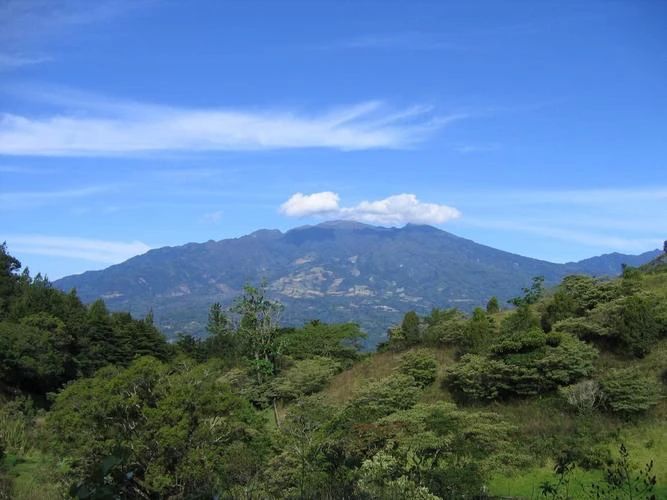
Although the Hua Die coffee packaging lists three varieties, it is actually a single-origin bean. In the early days, Geisha, Caturra, and Catuai were interplanted in the same coffee garden and not sorted for easier harvesting. These varieties all come from the volcanic region around the Volcán Barú in Boquete, grown at around 1,600 meters above sea level. The significant day-night temperature variation, combined with the nourishment of volcanic rock soil, gives the coffee outstanding body and floral-fruit aromas. Notably, this sun-dried Hua Die allows more people to experience the charm of Geisha flavors at an accessible price.
Geisha coffee is known for its distinctive floral-fruit aromas, bright citrus notes, high clarity, and gentle acidity. This variety was first discovered in 1931 in the Kaffa forests of southern Ethiopia and was initially named Geisha. After generations of cultivation in Costa Rica and Panama, its unique potential gradually emerged. In 2004, La Esmeralda estate first entered Geisha into competition and gave it its name, thereby establishing its international reputation. The 70% Geisha heritage in Hua Die allows it to inherit these classic characteristics in its flavor profile.
Caturra is a mutation of the Bourbon variety, with a shorter tree structure suited for high-altitude planting, and its flavor is predominantly fruity. Catuai is a hybrid of Caturra and Mundo Novo, with stronger disease resistance, firmer fruit, and a more nutty flavor profile. Hua Die combines the strengths of all three, further amplifying their unique aromas through the sun-dried processing method.
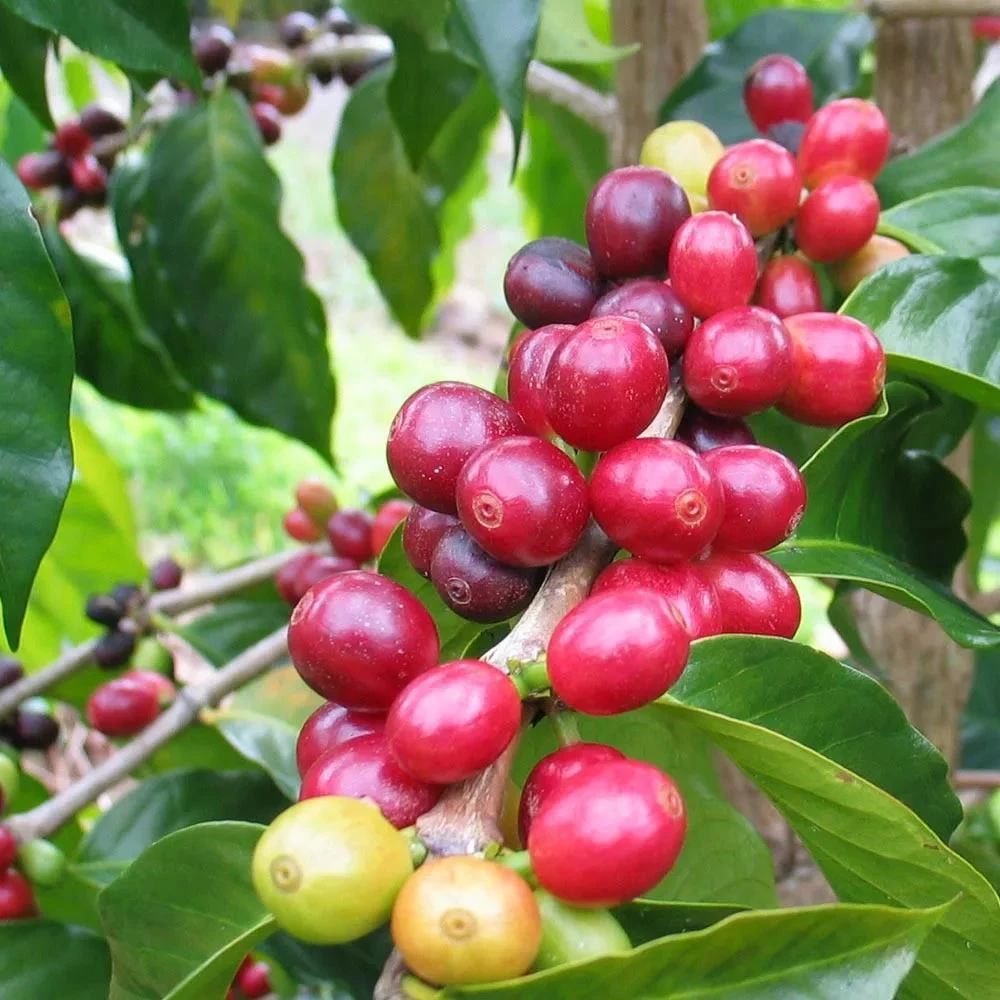
Hua Die employs the traditional natural (sun-dried) processing method, where the entire coffee cherry with its pulp is directly dried in the sun until the moisture content reaches about 12%. This process usually lasts two to four weeks, during which frequent turning is required to ensure even drying and prevent over-fermentation. Sun-drying imparts a richer fermented fruit aroma and fuller body to the coffee, but it also demands higher processing skills.
For brewing, it is recommended to use a Hario V60 dripper, with a water temperature of 90°C, a coffee-to-water ratio of 1:15, and a medium-fine grind (80% passing through a Chinese standard No. 20 sieve). The specific steps are: first bloom with 30 grams of water for 30 seconds, then pour in a circular motion with a small stream of water up to 125 grams for the first pour, wait for the water level to drop, and then continue pouring up to 225 grams. This method fully highlights the sweetness and fermented layers of Hua Die. The cup opens with tea-like aromas and citrus notes, followed by black plum and sweet orange flavors as the temperature cools slightly, with a honey-like sweet aftertaste.

It’s worth noting that sun-dried coffees often have more pronounced fermented flavors, so brewing parameters can be fine-tuned according to personal taste. Freshly roasted beans better express their rich flavors, and it is recommended to enjoy them within 4 to 7 days post-roast to achieve the optimal tasting window. If purchasing pre-ground coffee, use it promptly to avoid oxidation affecting the taste.
The above content is compiled by CoffeeHunters, a coffee news website.


