







Introduction:Although Rwanda is a small African country, its high altitude and volcanic soil nurture high-quality coffee. This article delves into its geographical conditions, variety characteristics, washed processing techniques, and how to highlight its citrus, nutty, and honey notes through V60 pour over, giving you an insight into the coffee potential of this African gem.
Located in Central Africa, Rwanda is a small inland country that has gradually emerged in the global specialty coffee market. Its high-altitude environment, fertile volcanic soil, and cultivation dominated by Bourbon varieties create unique coffee flavors. This article will comprehensively analyze the distinctive qualities of Rwandan coffee, from its growing environment and historical background, to main varieties, washed processing methods, and practical brewing recommendations.
In 2020, McDonald’s coffee brand McCafé announced an upgrade to its product line, planning to invest 2.5 billion yuan over three years to expand its coffee business. The new blend included approximately 25% Rwandan coffee beans for the first time, combined with beans from Colombia, Ethiopia, and Brazil, drawing market attention. This also made more consumers aware that this once war-torn country can now consistently produce high-quality coffee.
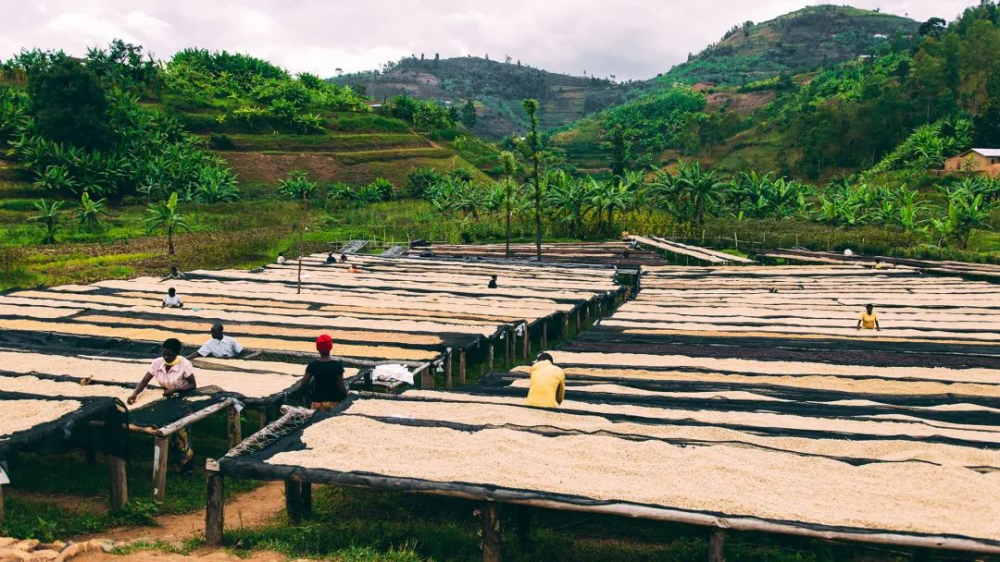
Rwanda is located in the central-eastern part of Africa, bordering Burundi, Tanzania, Uganda, and the Democratic Republic of the Congo. The entire country is mountainous and is known as the "Land of a Thousand Hills." It has five volcanoes and numerous lakes, with generally high altitudes, making it particularly suitable for coffee cultivation. Coffee is mainly grown in the western and northern highlands, such as around Lake Kivu, at an altitude of about 1,463 meters. The large diurnal temperature variation, along with fertile volcanic soil, provides ideal growing conditions for coffee.
Rwanda’s coffee industry dates back to the early 20th century during the German and Belgian colonial periods when missionaries introduced coffee cultivation. However, under the colonial economy, coffee was mostly for commercial purposes, with generally poor quality and limited returns for farmers. It wasn’t until after independence, with the establishment of the official coffee management body OCIR, that production gradually shifted toward quality orientation. In 1986, Rwanda’s coffee production reached its peak, but subsequent ethnic conflicts caused the industry to stagnate. Today, with social stability restored, coffee has once again become an important cash crop, with about one in every 30 people engaged in related work.
In terms of varieties, Rwanda primarily grows three types of coffee trees: Bourbon, Caturra, and Catuai, all belonging to the Bourbon family. These varieties typically exhibit distinct citrus and nutty notes, with Bourbon known for its sweetness, Caturra offering higher yields and shorter plant height, and Catuai being disease-resistant and adaptable. These traits make them important choices for local coffee farmers.
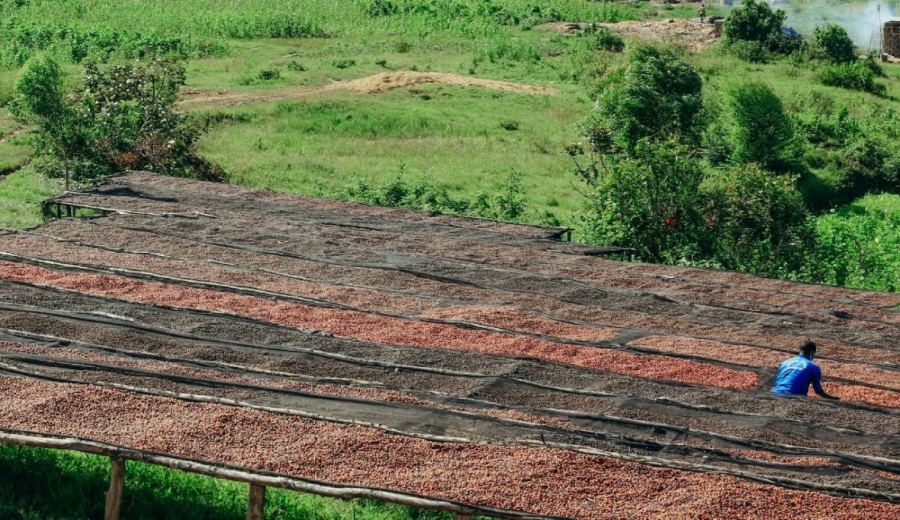
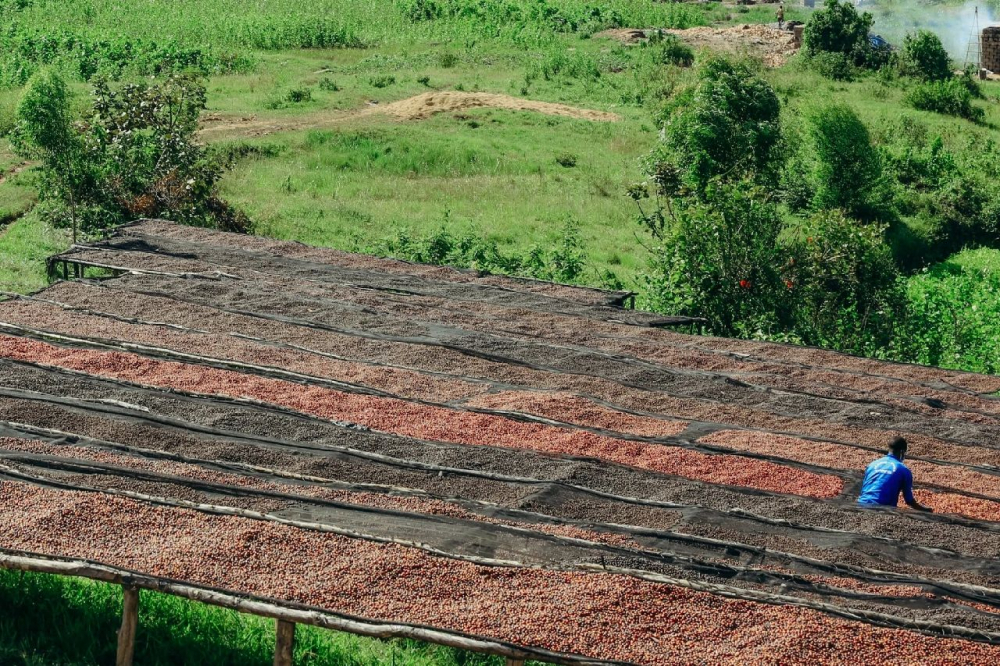
Rwandan coffee is mainly processed using the washed method, which enhances the clarity and acidity stability of the coffee. In this process, unripe cherries are first removed via floatation, then the pulp and skin are stripped away, allowing the mucilage-covered beans to ferment in water. The mucilage layer is then washed off, and the beans are dried to a moisture content of 11% to 13%. Though time-consuming, this method effectively improves the overall performance of the coffee, especially in high-altitude and climate-variable environments, where washed processing is more reliable.

In 2000, with international assistance, Rwanda launched the PEARL program, in collaboration with institutions such as Michigan State University in the United States, aiming to enhance the technology and yield of the coffee industry and thereby increase farmers’ incomes. This initiative led to the establishment of 46 modern washed processing plants, making a significant contribution to local coffee exports and economic development. Additionally, as Rwanda experiences two rainy seasons per year, making sun-drying time-consuming, the washed method has become the most practical and stable choice.
Taking the washed coffee from Rwanda’s Gisakura region as an example, its cupping profile showcases pronounced citrus and plum acidity, with nutty notes in the mid-palate and a honey aroma in the aftertaste. When cooled, berry-like flavors can even emerge. This layered and balanced expression makes it a popular choice among many coffee enthusiasts.
If you’d like to experience its characteristics at home through pour over, it is recommended to use a V60 filter cone with a staged extraction method. Suggested parameters are 15 grams of coffee, a water temperature of about 90°C, and a grind size of medium-fine (80% passing through an 0.85mm sieve). The specific steps are: start with a 30-second bloom using 30 grams of water, then pour in water up to 125 grams with a slow stream for the first pour, wait for the water level to drop slightly, and continue pouring up to 225 grams to finish. The total extraction time should be around 2 minutes. These parameters fully highlight the balance between the coffee’s fruity acidity and body, making it suitable for drinkers who prefer a bright and refreshing flavor.
The above content is compiled by CoffeeHunters, a coffee news website.


