







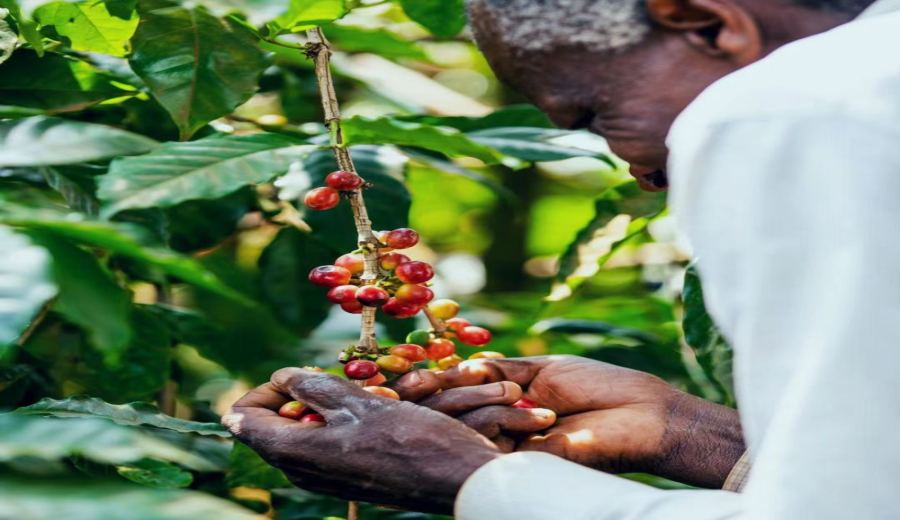
Introduction:Although Tanzanian coffee is not as well-known as that of its neighbor Kenya, its gentle acidity and delicate sweetness have won the hearts of many coffee enthusiasts. This article delves into Tanzanian coffee—from its introduction history, the terroirs of major producing regions, to the washed processing methods and pour over recommendations—to help readers fully grasp the characteristics and brewing techniques of this premium coffee from African volcanoes.
Tanzania, neighboring Kenya, is also a key coffee-producing region in East Africa. While Kenyan coffee is widely celebrated for its rich berry notes, Tanzanian coffee stands out in the specialty coffee market with its mild acidity, elegant sweetness, and smooth mouthfeel. Especially the Typica variety from the Kilimanjaro mountain region, processed traditionally through washing, often exhibits captivating layers of citrus, berries, honey, and tea-like qualities—perfect for coffee lovers who prefer a refreshing fruit-tea profile.
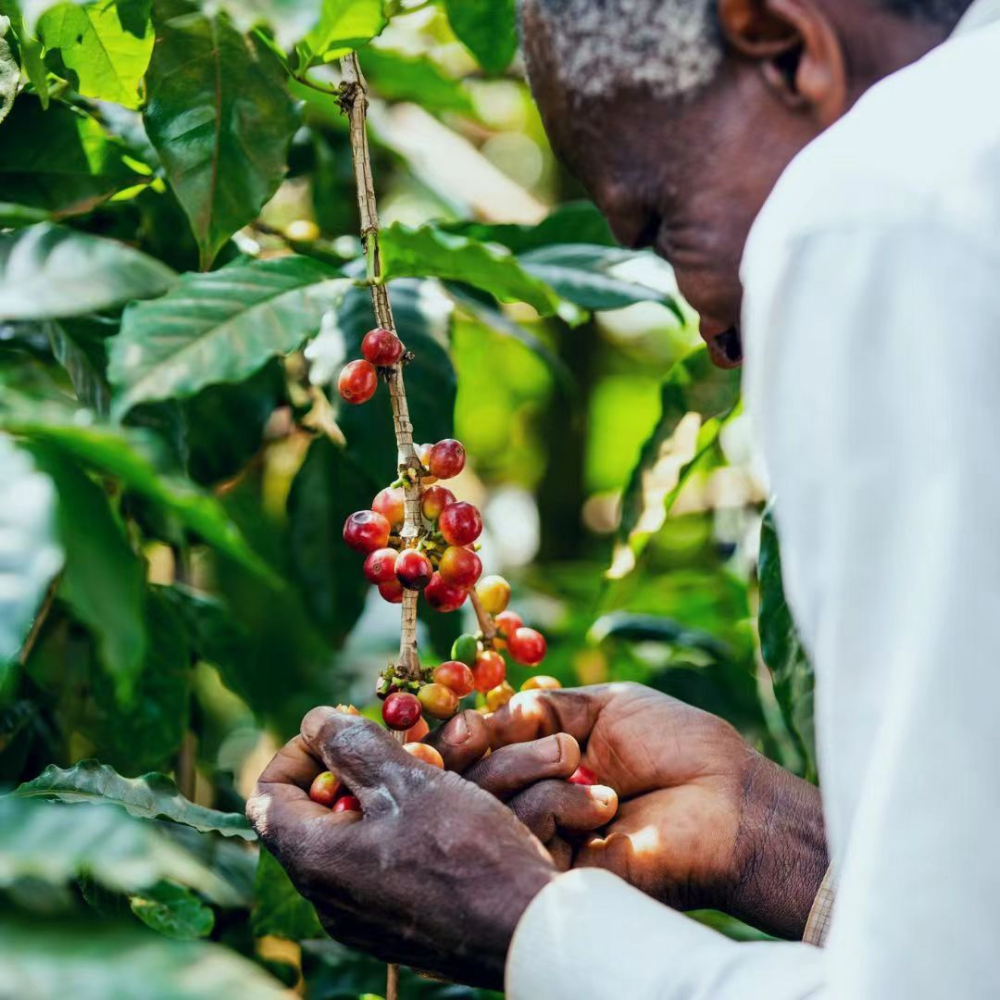
The history of coffee cultivation in Tanzania dates back to the late 19th century. Records indicate that coffee was first introduced from the French island of Réunion, when Christians brought seeds from Kenya and conducted trial plantings in areas such as Bayamoyo and Mogoro. Around 1893, the volcanic soils at the foot of Mount Kilimanjaro successfully yielded the first coffee harvest, officially marking the beginning of coffee cultivation in Tanzania. Subsequently, in 1911, the colonial government promoted large-scale planting of Arabica varieties in the Bukoba region, and in 1952, the first coffee farmers’ cooperative, the Kilimanjaro Native Planters' Association (KNRA), was established, significantly increasing smallholder participation. By 1961, after gaining independence, Tanzania set a goal to double coffee production, which was not fully achieved, but it still maintains a stable output of about 60,000 tons of green coffee beans annually, with Arabica and Robusta each accounting for half.
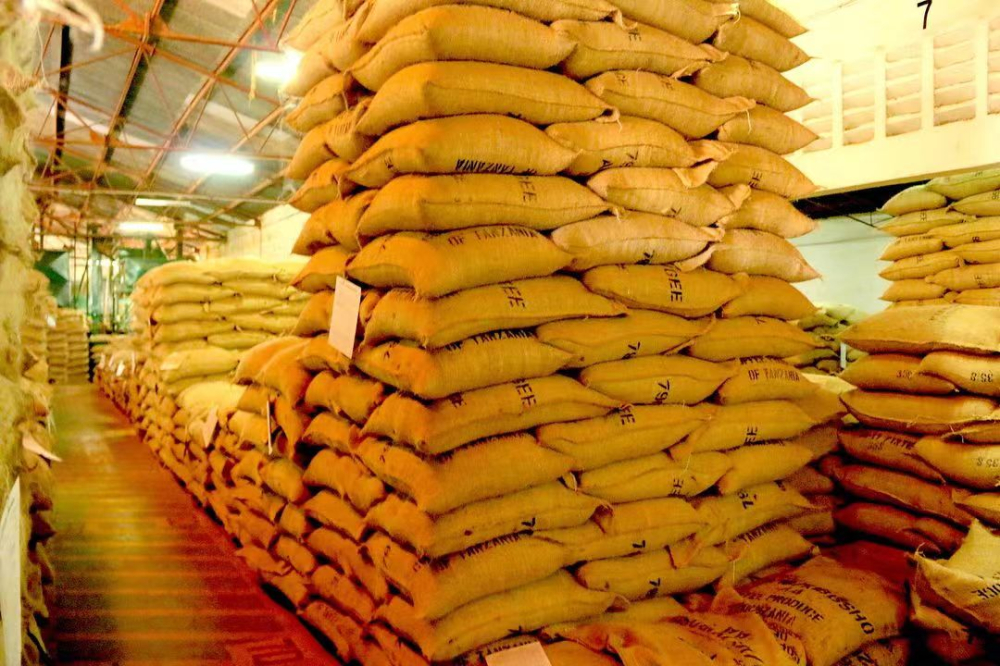
In the early days, Tanzanian coffee was primarily grown on large estates, but today over 80% is cultivated by small-scale farmers, many of whom have formed cooperatives to ensure quality and secure sales channels. Among them, the Kilimanjaro Cooperative Union (KNCU) is one of the most representative cooperative organizations, dedicated to monitoring coffee quality, which is then sold to exporters through auctions by state agencies. This model not only stabilizes the market but also preserves the essence of traditional processing techniques.
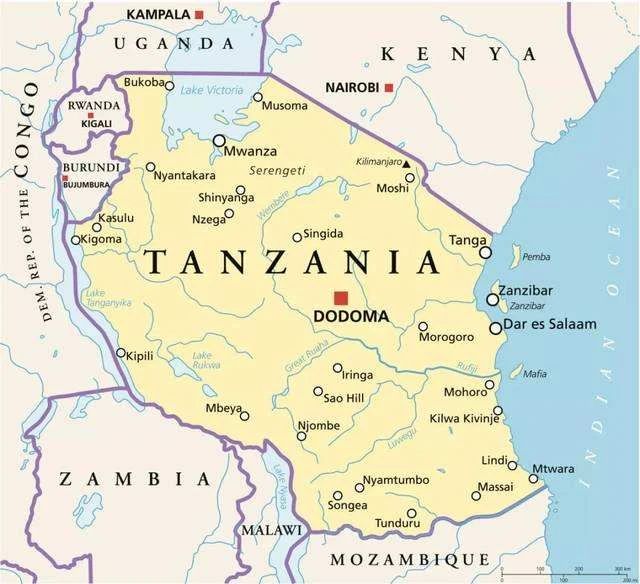
As Tanzania’s most iconic geographical landmark, Mount Kilimanjaro stands at an elevation of 5,895 meters, making it the highest peak in Africa and fostering a uniquely distinctive coffee-growing environment. At the foot of this dormant volcano lie fertile farmlands, and as the altitude increases, the landscape transitions through rainforests, cloud forests, alpine deserts, and tundra zones, creating diverse microclimates—particularly suitable for ancient varieties like Typica that thrive in cool environments. The Tanzanian coffee sourced here comes from this region, featuring the heirloom Typica variety and using traditional washed processing. When brewed, it often releases citrus and honey-like tea notes, complemented by hints of berries, with a clear flavor profile and distinct layers.
The most common processing method for Tanzanian coffee is washing, which highlights the coffee’s bright acidity and clean flavors. The general process is as follows: once the coffee cherries ripen, farmers harvest and transport them to nearby processing facilities. First, the cherries are soaked in water, where unripe or defective beans are removed using buoyancy principles. Next, the outer skin and pulp are mechanically stripped, and then the mucilage-covered parchment beans are placed in fermentation tanks for 18 to 36 hours until the fruit mucilage is fully broken down. After fermentation, the beans are thoroughly rinsed in clean water channels for 30 to 60 minutes, a process that also helps sort out lower-density defective beans. Finally, the clean parchment beans are evenly spread on African-style raised beds to dry slowly under the sun until they reach the target moisture content.
Since most of the pulp and mucilage are removed during washing, the final coffee beans can showcase purer aromatic characteristics. Common flavors include fresh citrus and lemon tones, paired with elegant floral notes and delicate sweetness, delivering an overall profile that is refreshing and well-balanced.
For Tanzanian washed Typica beans with medium to light roasts, it is recommended to use the pour over method to fully highlight their delicate fruit-tea flavors. Since the beans come from high-altitude regions and have higher density, a medium-fine grind size (approximately 78% extraction through a #20 sieve) is suggested, along with slightly higher water temperature to facilitate flavor release.
Recommended pour over parameters are as follows:
Filter: V60
Water temperature: 92–93°C
Coffee dose: 15 grams
Coffee-to-water ratio: 1:15
Grind size: Fine sugar-like (sift through a #20 sieve to achieve 78% extraction)
Suggested steps: Start by pouring 30 grams of hot water for a 30-second bloom to activate the coffee’s aroma; then continue pouring about 95 grams of water (total around 125 grams), aiming for about 1 minute; when the water level drops to about two-thirds of the coffee bed, pour another 100 grams (total around 225 grams), finishing pouring in approximately 1 minute and 35 seconds; the total dripping time should be around 2 minutes and 10 seconds, after which remove the filter and complete the extraction.
Coffee brewed with these parameters often presents pronounced berry aromas, with a soft citrus acidity upon entry, a nutty note in the mid-palate, and a honey-like gentle sweetness in the aftertaste. The overall cup is refreshing and layered, making it highly suitable for those who enjoy fruit-tea style coffee.
The above content is compiled by CoffeeHunters, a coffee news website.


