








Introduction:Have you ever had a cup of coffee that tasted oddly familiar, yet you couldn’t quite put your finger on what it was? The coffee flavor wheel is the professional tool that helps you accurately capture and describe those taste experiences. This article takes an in-depth look at the Coffee Taster’s Flavor Wheel developed jointly by the SCAA and the Counter Culture Coffee team, systematically introducing the ten major flavor categories—including fruit, floral, chocolate, spices—and providing real-life examples to illustrate how different origins and roast levels influence flavor. It also offers practical tasting steps and pour over recommendations to help you build your own coffee flavor map, from beginner to advanced.
Drinking coffee is not just about getting a caffeine boost—it’s a sensory exploration journey. However, many people often encounter the frustration of recognizing a flavor but being unable to describe it. That’s where the coffee flavor wheel becomes your best tasting companion. It not only helps you translate vague taste sensations into clear descriptions, but also guides you to uncover the layered nuances within coffee. This article will fully break down the Coffee Taster’s Flavor Wheel created by the SCAA and designed by Counter Culture Coffee, starting with the ten categories to take you deep into the mysteries of coffee flavors.
These ten categories include: fruit, chocolate, sweetness, nuts, cereal, roast, spices, aroma, vegetable, and floral. Each category is further divided into more specific flavors. For example, the fruit category is subdivided into citrus, berries, tropical fruits, stone fruits, berries, and dried fruits—helping you describe the taste characteristics of coffee more precisely.Image placeholder:
First, let’s understand what SCAA is. SCAA stands for Specialty Coffee Association of America, also known as the Specialty Coffee Association in English. It is one of the most influential coffee professional organizations globally, dedicated to improving the overall quality of coffee from origin to cup. The coffee flavor wheel introduced by this association has become the common language for coffee tasting in the industry. This circular chart organizes the various possible flavors of coffee by category, allowing tasters to quickly match and describe even the subtlest notes they perceive.
The “fruit” category in the flavor wheel is one of the most familiar to many coffee enthusiasts. This category is subdivided into citrus, apple, melon, grape, tropical fruit, stone fruit, berry, and dried fruit. For example, Ethiopia’s Yirgacheffe often exhibits bright citrus acidity, along with aromas of berries and tropical fruits such as mango and jackfruit—making it a typical representative of fruit-type flavors.Image placeholder: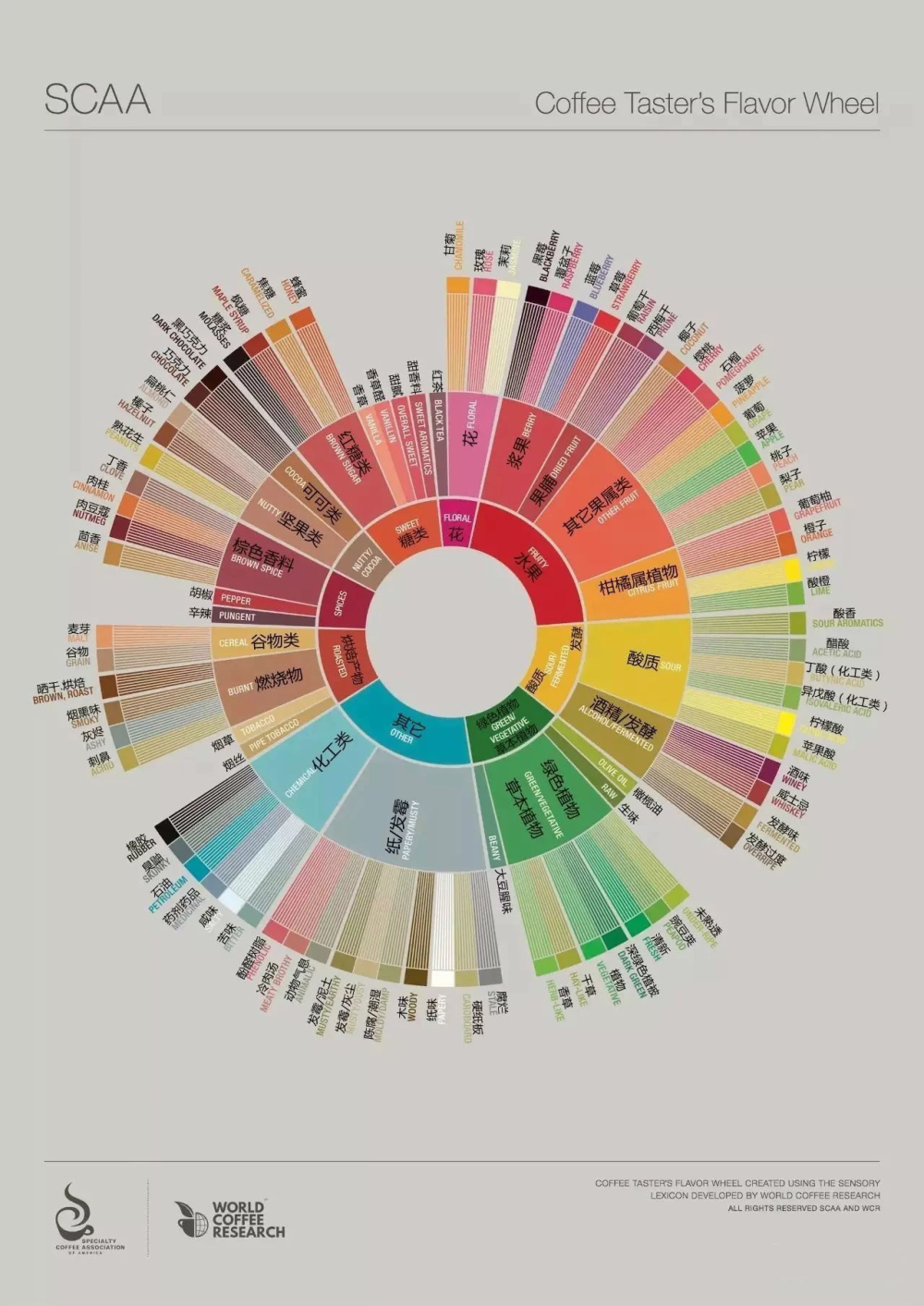
The “chocolate” category focuses on aromas such as dark chocolate, milk chocolate, and cocoa powder. These flavors are commonly found in medium to dark roasted coffees. For instance, beans from Colombia’s Huila region often exude a rich dark chocolate tone, delivering a warm and mellow sensation.
The “sweetness” category includes various sweet aromatic expressions such as honey, maple syrup, caramel, candy, and toffee. A certain coffee brand’s Hua Kui 5.0, for example, is characterized by a honey-like sweetness, while Guatemala’s Huehuetenango often carries toffee aromas—both of which can be savored during extraction. Some coffees even exhibit a “cola”-like sweetness, showcasing the diversity of flavors.
The “nuts” category refers to common nutty aromas such as almond, hazelnut, and peanut. These flavors are often closely related to the coffee bean variety and origin. For example, the almond and peanut notes commonly found in Brazilian beans fall into this category. Such flavors are usually still clearly perceptible even in light to medium roasts.
The “cereal” category includes rye, wheat, barley, and even extends to the aroma of fresh bread. These flavors often appear in light or medium roasted coffees, and are sometimes related to the coffee bean processing method.
Image placeholder: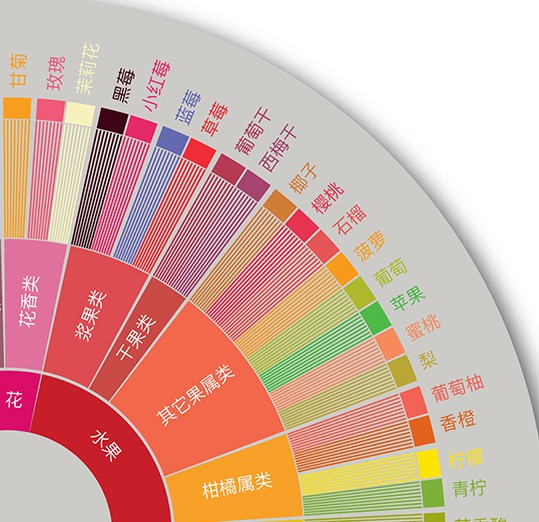 Next is the “roast” category, which primarily describes the aromas produced during the coffee roasting process, such as smoky, woody, and carbonaceous notes. These flavors typically become more pronounced as the roast level deepens. For example, some coffees from high-altitude regions with unique soil characteristics are prone to having smoky undertones.
The “spices” category includes common seasoning aromas such as nutmeg, ginger, cilantro, and curry. These flavors are often closely tied to the soil and climate of the origin, and can give coffee a distinctive regional character.
The “aroma” category refers to strong scent characteristics such as soy sauce and meat juice. Although these may seem unrelated to coffee, they can indeed appear in some dark roasted or specially processed coffees. For example, certain coffees with wine-like or creamy vanilla notes fall into this category.
The “vegetable” category encompasses herbs, mint, sage, and even the smells of wood and soil. These flavors can sometimes remind one of the freshness of herbs or the earthiness of a forest—for instance, Indonesia’s Mandheling is often rich in herbal and pine wood aromas.
Finally, the “floral” category describes the various flower scents found in coffee, such as jasmine, osmanthus, and rose. These flavors are commonly found in high-altitude Arabica varieties, especially in certain regions of Ethiopia and Colombia, which often deliver elegant floral notes.Image placeholder: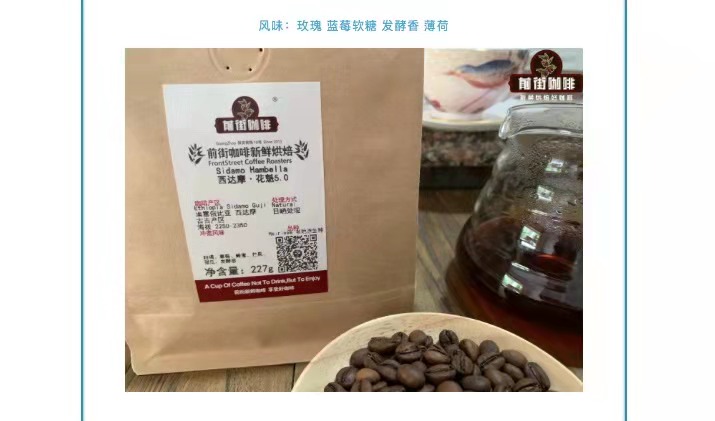
Observing the entire flavor wheel, you’ll notice that these flavors are generally arranged from light to intense, and from sweet and acidic to bitter and salty—this also closely relates to the roast level of the coffee. Light to medium roasts are usually dominated by low-molecular-weight acidic and sweet substances, which are highly water-soluble and tend to be released early in the brewing process; whereas dark roasts are dominated by high-molecular-weight bitter and salty substances, which often only gradually emerge in the later stages of extraction.
Image placeholder: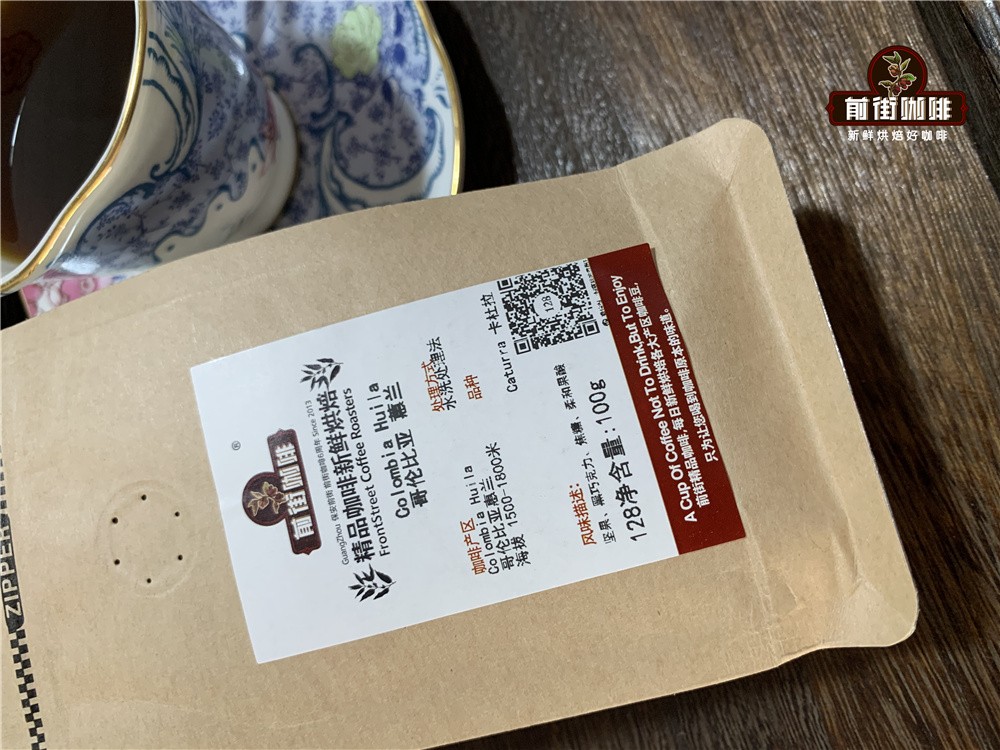 When tasting coffee, it is recommended to take small sips and let the coffee linger in your mouth, gently swishing it around to experience its layered profiles as the temperature changes. Generally speaking, bitterness is more pronounced when hot, while acidity and sweetness gradually emerge as the temperature drops, eventually leaving behind a caramel-like aftertaste and aroma. In addition, the finish at the bottom of the cup is also an important aspect of tasting—don’t overlook it.
To brew coffee that showcases the various characteristics outlined in the flavor wheel, the freshness of the beans is crucial. Professionals recommend choosing coffee beans roasted within 5 days, and allowing them to go through a 4–7 day degassing period to fully realize their potential. If you opt to buy coffee powder, it is advisable to brew it as soon as possible to avoid oxidation affecting flavor expression.
The above content is compiled by CoffeeHunters, a coffee news website.


