







Introduction:Cold brew coffee, with its refreshing and low-acid characteristics, is increasingly favored by coffee enthusiasts. However, brewing a cup of cold brew with balanced flavor and distinct layers actually involves quite a bit of expertise. This article will delve into the definition and principles of cold brew, and comprehensively break down four key variables—from steeping time, coffee bean maturity, stirring methods to filtration techniques—to help you master precise extraction methods and easily recreate professional-grade cold brew at home.
In recent years, the global acceptance of cold brew coffee has been steadily rising, with many consumers drawn to its unique smoothness and refreshing taste. However, many people mistakenly think of cold brew as just another iced coffee drink. In fact, it is a low-temperature, long-duration coffee brewing method that primarily uses cold or room-temperature water to slowly and steadily extract aromatic compounds from coffee grounds.
Compared to hot water brewing, cold water extraction is a slower process, requiring more time for flavor release. As such, it demands higher standards in terms of steeping time, coffee bean condition, stirring techniques, and filtration details. Only by mastering these key elements can you extract a cold brew that is sweet and acidic in balance, clean in mouthfeel, and long in aftertaste.
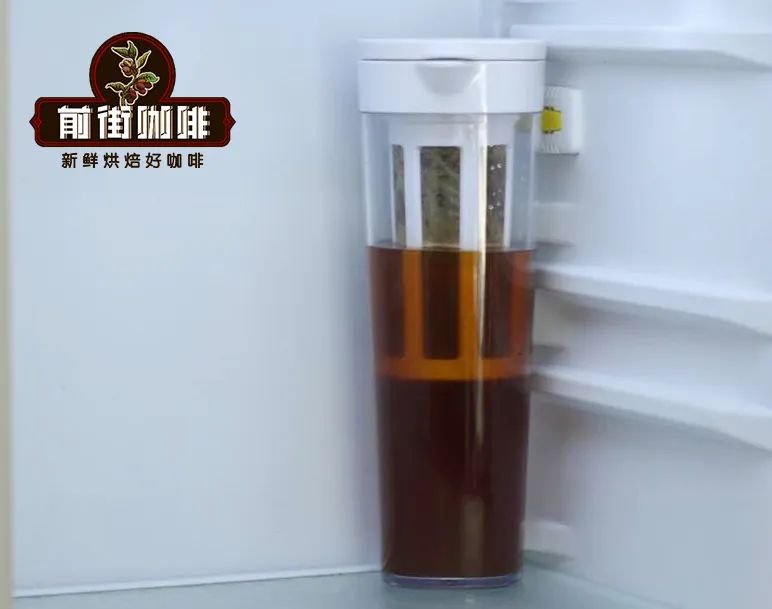
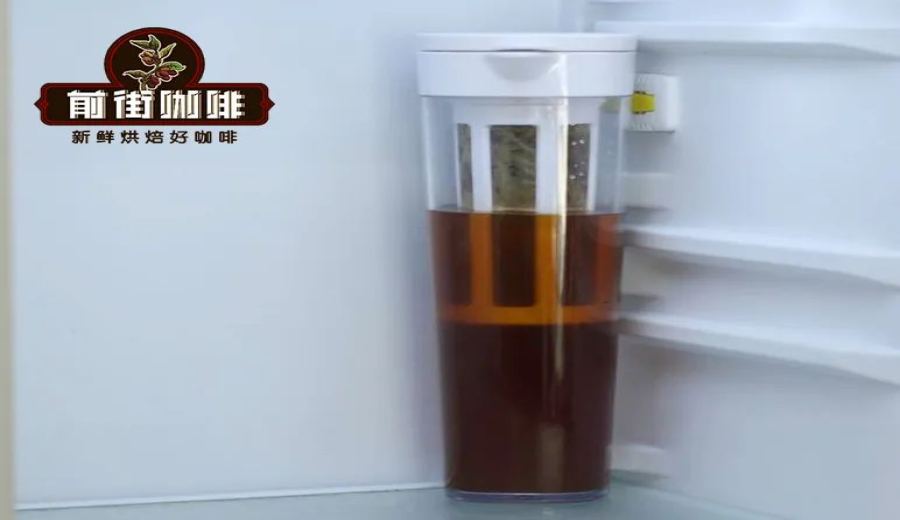
The basic process of cold brew is very simple: mix coarsely ground coffee powder with cold water, let it sit in the refrigerator or a cool place for several hours, then filter out the coffee grounds to complete the brew. As long as you have coffee beans, clean water, a clean container, and refrigeration equipment, you can enjoy the fun of DIY cold brew at home.
However, even when using the same coffee beans and ratios, some people find their homemade cold brew lacking in intensity or complexity. This is often related to the control of details during the extraction process. The following four variables are core factors that influence the flavor performance of cold brew, and are also points that many industry professionals continuously adjust and refine in practice.
1. Steeping Time: Recommended 8 to 18 hours—too short or too long both affect flavor
In hot water brewing, water temperature and time are the two main keys to determining extraction efficiency. Cold brew, on the other hand, uses water at a low temperature of 4 to 10°C, resulting in significantly slower extraction. Therefore, it takes longer for the sugars, organic acids, and aromatic molecules in the coffee to fully release.
Generally speaking, the optimal steeping time for cold brew coffee is8 to 18 hours. Too short a time (e.g., 4 hours) may lead to incomplete release of flavor compounds, often resulting in a watered-down taste; too long a time (e.g., over 24 hours) can lead to over-extraction, bringing out bitterness or off-flavors.
Practical testing shows that cold brew steeped for10 to 16 hoursperforms best in terms of sweet-acid balance and body. For convenience, it is recommended to start steeping between 7–9 PM the night before, then filter around the same time the next morning, roughly within the 10 to 14-hour range—flavor remains stable and is easy to control.
2. Coffee Bean Maturity: Overly fresh beans may lead to under-extraction
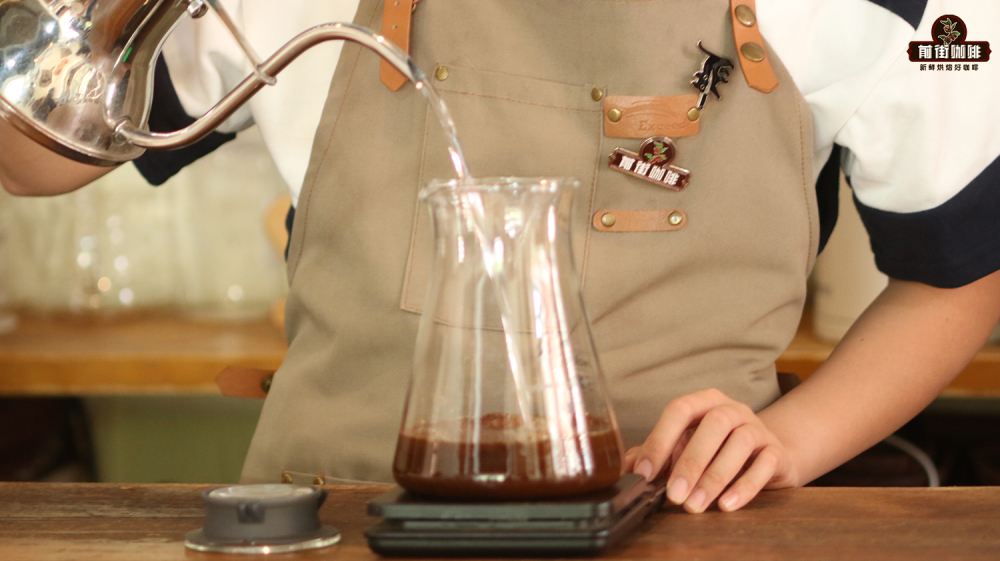
In hot brewed coffee, freshly roasted beans are usually preferred because their aroma is most vibrant at that time. However, cold brew extraction is a slow process, and the low temperature inhibits the release of carbon dioxide. Using beans that have been roasted too recently (e.g., within 3 to 7 days of roasting) can actually result in incomplete extraction.
It is recommended to use coffee beans roasted10 days or more priorfor cold brew. This period allows internal carbon dioxide to gradually dissipate, helping improve extraction efficiency and resulting in brighter, more layered flavors.
3. Stirring Techniques: Stir well before and after brewing to avoid uneven extraction
Many people, when making cold brew, simply pour water and coffee grounds together, let it sit, and then filter directly—overlooking the importance of stirring. Without proper mixing, some coffee grounds may never come into contact with water, leading to uneven extraction and affecting overall flavor and mouthfeel.
It is recommended to use a stirring stick, long spoon, or simply shake the container before steeping to ensure the coffee grounds are fully mixed with the water. After steeping, gently stir again before filtering to significantly enhance homogeneity and flavor performance of the cold brew. If using a sealed bottle, simply tighten the lid and invert it a few times to mix evenly.
4. Filtration Fineness: Thoroughly remove coffee fines to enhance mouthfeel purity
The filtration step after cold brewing is crucial. Common filtration tools include filter screens, metal filters, filter paper, and flannel, each offering different levels of fineness that visibly impact the final mouthfeel.
Even seemingly fine filter screens (e.g., 245 mesh) may still allow very fine particles through, resulting in an oily sheen on the surface of the cold brew, a slightly rough texture when drinking, and possible residue of coffee fines at the bottom. To improve purity, it is suggested to use high-density filter paper for a secondary filtration to effectively remove tiny particles and condensed oils.
After filtration, letting the cold brew liquid sit refrigerated for 3 to 4 hours helps further precipitate and integrate flavor compounds, making the overall mouthfeel smoother, acidity clearer, and flavor layers more distinct.

The above content is compiled by CoffeeHunters, a coffee news website.


