







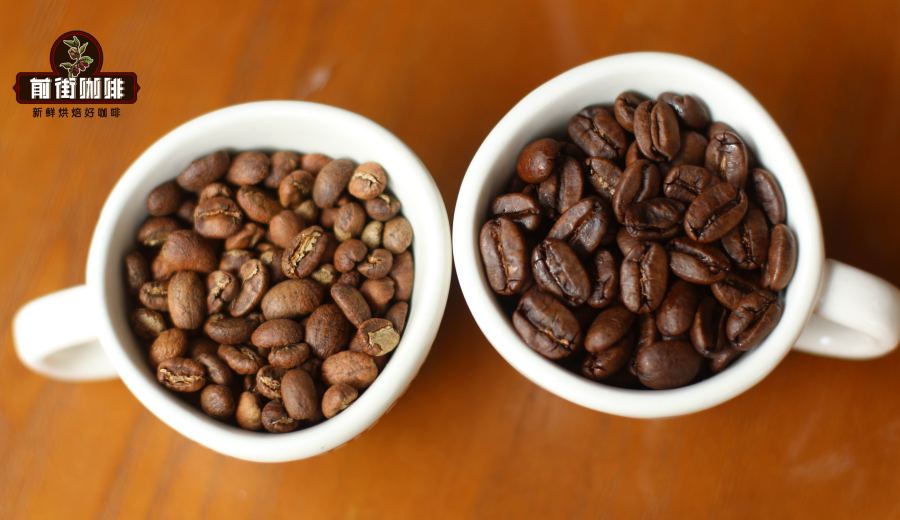
Introduction:Choosing the right coffee beans is the first step to enjoying a great cup of coffee. This article will delve into how to select the coffee beans that best suit your taste based on roast date, regional characteristics, differences between blends and single origins, as well as light, medium, and dark roast styles. Whether you're a beginner in pour over or just getting into espresso, you’ll gain practical tips to find your own signature flavor.
To enjoy a cup of coffee with outstanding flavor and optimal condition, choosing the right beans is crucial. From assessing freshness, understanding regional flavor differences, to selecting between blends and single origin beans, as well as grasping the traits of the three main roast levels—light, medium, and dark—each step influences the final extraction result and taste experience. Mastering these basics can help you effectively avoid common pitfalls and more quickly find the beans that match your flavor preferences.
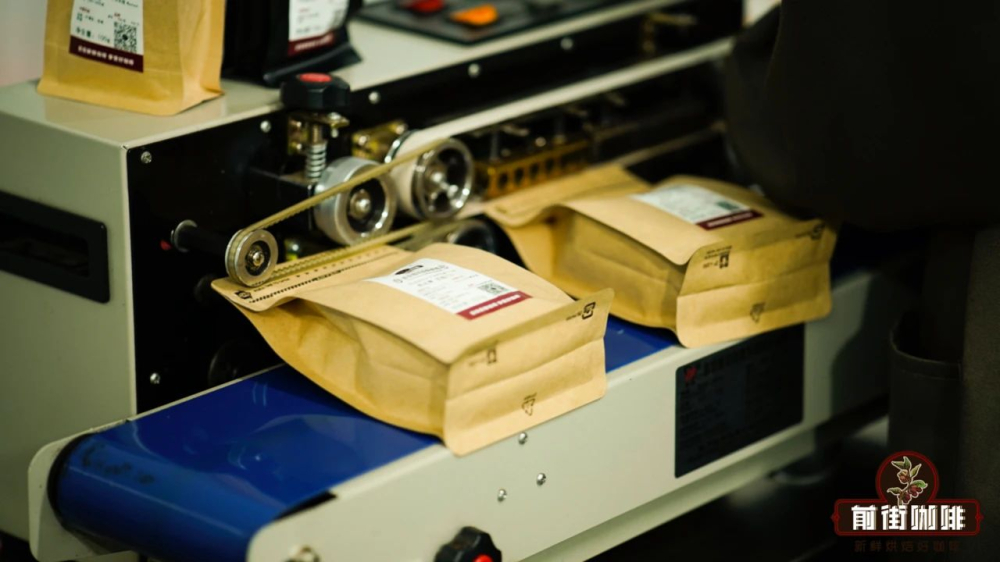
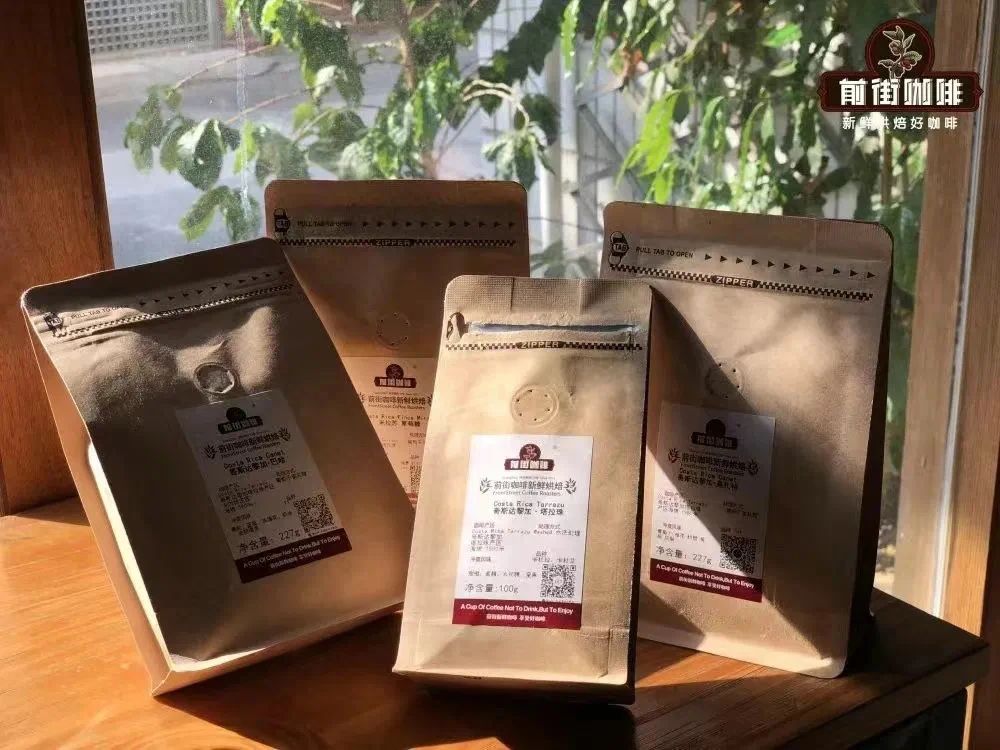
Freshness is the foundation of coffee flavor. When purchasing, be sure to pay attention to the roast date, not just the expiration date. Truly professional roasters will clearly indicate the roast time of each bag of beans. It’s recommended to choose products shipped within five days of roasting and to confirm that the packaging is equipped with a one-way degassing valve. This common “little button hole” found on high-quality coffee bags allows the carbon dioxide released by the beans to escape naturally while preventing oxygen from entering, thus slowing down flavor deterioration. It’s particularly important to note that once coffee is roasted, its flavor begins to gradually diminish over time. After fifty days, most of the aroma has noticeably weakened, and even if the beans are of the highest grade, it’s difficult to brew a satisfying cup. Therefore, it’s recommended to enjoy them within their prime period.
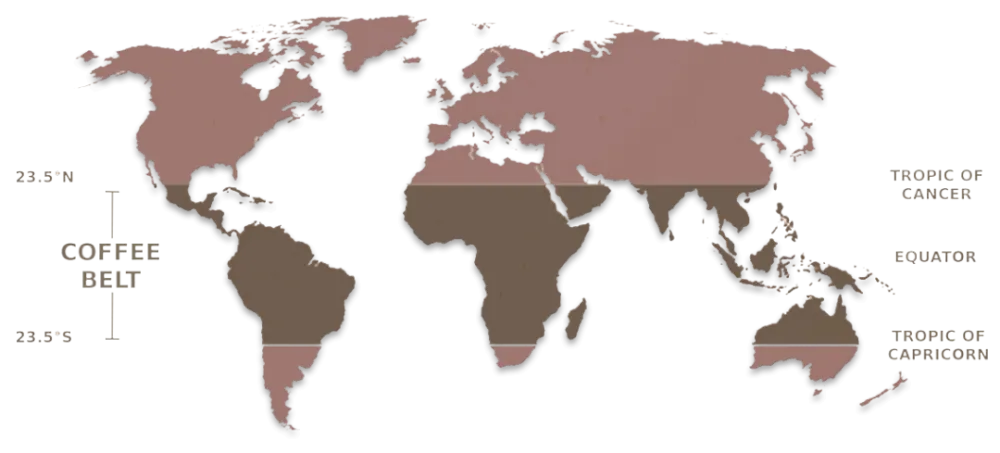
Coffees from different regions, due to variations in climate, altitude, processing methods, and more, present vastly different flavor profiles. Understanding these characteristics can help you make selections based on your personal taste. For example,Central and South Americancoffees generally have a pronounced sweetness, with mild acidity and moderate body, and prominent caramel notes. They are suitable for those who prefer balanced flavors, and it’s recommended to try classic beans from regions such as Costa Rica, Colombia, or Brazil.Africanbeans are known for their vibrant fruitiness and layered complexity, with bright yet non-aggressive acidity and an overall light and enjoyable mouthfeel. They are the top choice for those seeking refreshing flavors, with representative examples including the Yirgacheffe region of Ethiopia.Asiancoffees often have intense flavors, with stronger bitterness and some even carrying unique herbal or earthy notes. They have a full-bodied texture, making them suitable for those who enjoy bold character. Indonesian Mandheling, for instance, is one of the representatives of Asian beans.
The choice between blends and single origin beans mainly depends on whether you’re seeking consistent flavor or unique individuality. Blends are typically composed of beans from multiple regions mixed in certain proportions, resulting in relatively consistent flavor profiles. They’re suitable for daily drinking or for making espresso or mocha pot coffee, offering rich crema and balanced taste—for example, classic Italian blend combinations fall into this category. If you’d rather explore the distinctive flavors of different regions, single origin beans are a better choice. Not only are there many varieties, but when paired with different brewing methods (such as pour over, siphon, or French press), they can also present diverse aromas and layers of taste. Feel free to try several single origin beans from different regions and processing methods, or consult a professional shop directly—they can recommend suitable options based on your drinking habits and preferences.
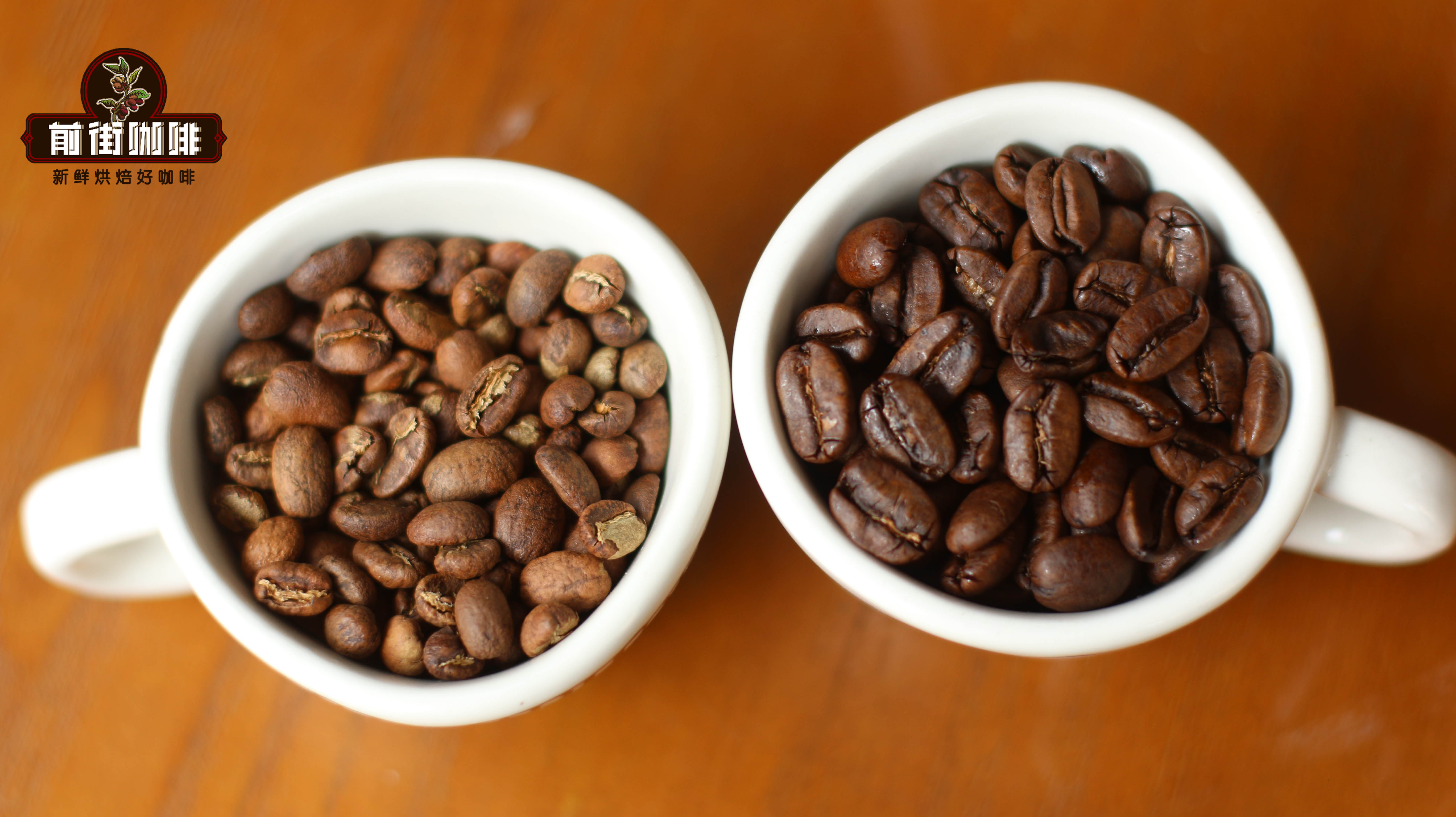
Roast style is a key factor in shaping the final flavor of coffee, and can generally be divided into three levels: light, medium, and dark. Light roasting preserves the most original flavors and acidity, with lighter roast notes, making it ideal for highlighting the delicate characteristics of the beans such as fruity or floral notes. It’s commonly used with brewing methods like pour over, siphon, Dripper (D-type), or cold brew, allowing for a more complete restoration of flavor details. For instance, some single origin beans with pronounced fruity or floral profiles are well-suited for light roasting. Medium roasting sits between light and dark, balancing acidity and bitterness, and is suitable for most brewing methods, including the moka pot, French press, or pour over. It offers a diverse flavor profile and is the everyday favorite of many coffee enthusiasts. Dark roasting results in lower acidity and pronounced bitterness, with a thick and bold mouthfeel, often accompanied by chocolatey or caramel-like roast aromas. It suits those who prefer intense flavors or are making milk-based coffees like lattes.
It’s recommended to choose your roast level based on your regular drinking habits: if you prefer a refreshing, sweet-and-sour taste and want to savor the bean’s original flavors, light roast is a good starting point; if you’re after balanced taste and compatibility with various brewing methods, medium roast offers the highest versatility; if you enjoy a bold, thick texture with distinct roast notes, then dark roast can better meet your needs. By continuously trying different combinations of regions, blends, and roast levels, you’ll gradually build your own coffee preference map and find the one that suits your palate the best.
The above content is compiled by CoffeeHunters, a coffee news website.


