







Introduction:Want to know if Mandheling is a type of black coffee? Why does it always carry unique herbal and spicy aromas? This article starts with the definition of black coffee and delves into the growing environment, variety evolution, and the classic wet-hulled processing method of Sumatran Mandheling. It explores the origins of its woody and herbal characteristics, and introduces the selection criteria for Golden Mandheling and suggestions for medium-dark roasting, helping you better appreciate the charm of this classic coffee.
When it comes to black coffee, many people think of a pure beverage without sugar or milk that best showcases the essence of coffee. The allure of black coffee lies in its ability to faithfully present the aroma, acidity, sweetness, body, and bitterness of coffee beans, allowing one to savor its layered complexity. Among the many types of black coffee, Mandheling from Sumatra, Indonesia, stands out with its distinctive herbal and spicy profile, becoming a classic favorite among coffee enthusiasts.
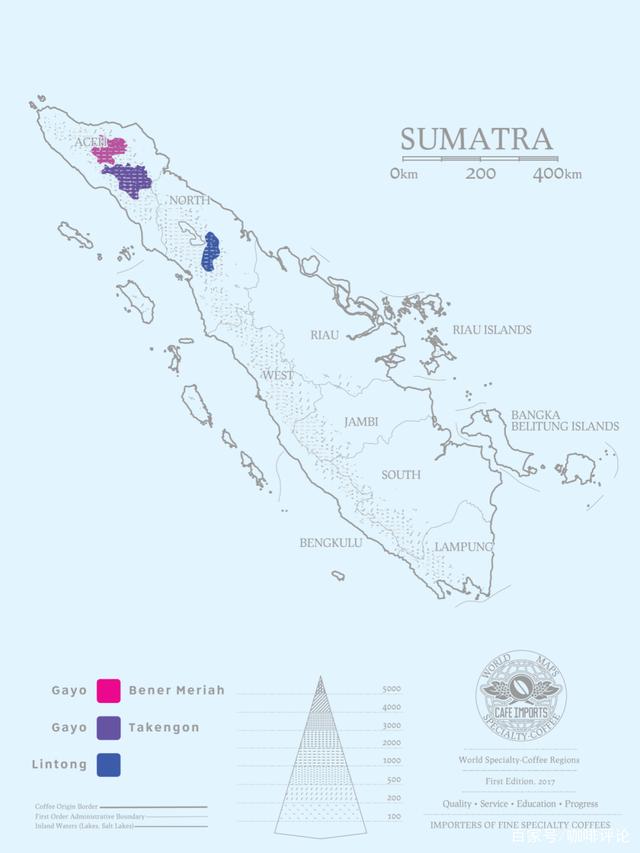
So, what exactly is Mandheling? It is actually synonymous with Sumatran coffee, specifically referring to Arabica coffee beans produced on the Indonesian island of Sumatra, particularly those from the northern part of the island which are most renowned. The iconic aromatic profile of these coffees is inseparable from the local geography and processing methods.
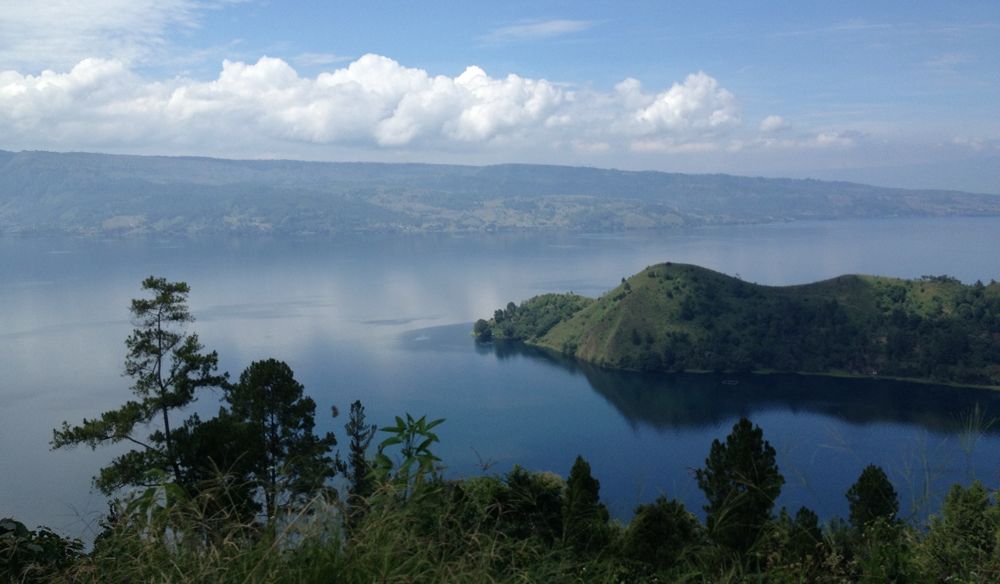
Sumatra has a tropical rainforest climate, characterized by high temperatures and humidity year-round, with the air saturated with moisture and frequent fog lingering over the mountains and forests. Such an environment causes coffee trees to grow slowly, yet accumulate richer flavor compounds. The main coffee-growing areas are concentrated in the higher-altitude northern regions, especially around Lake Tawar and Lake Toba, primarily in Aceh Province and North Sumatra Province. These areas not only have suitable altitudes, but many farms also practice organic farming, which helps produce coffee beans with more cohesive flavors.
The varietal background of Mandheling is also worth exploring. In the early days, Indonesia mainly grew Typica, introduced by the Dutch in the 17th century, locally known as Bergendal or Sidikalang. These varieties were once praised for their elegant flavors. However, the devastating leaf rust epidemic of 1877 almost wiped out the local Typica plantations. To revive the industry, Indonesia switched to planting disease-resistant Robusta, which remains the dominant coffee in Indonesia to this day. In addition, varieties such as Caturra, Catimor, and Timor were introduced over time, among which Ateng and Tim Tim—hybrids of Robusta—have become prevalent due to their adaptability to Sumatra’s environment and unique cedar-like aroma, now accounting for about 70% of the island’s coffee production.
When discussing the unique flavors of Mandheling, one cannot overlook its most representative processing method: wet hulling. Compared to the washed method, which can take one to three weeks, wet hulling can be completed in just a few days. The steps include: first removing the coffee fruit’s skin and pulp, undergoing brief fermentation, then preliminary drying. When the beans reach a moisture content of about 30%–40% and are semi-dry, the parchment layer (i.e., the inner skin) is removed, and the beans are further dried to around 12% moisture content before packaging and grading.
Although this method is more efficient, operating in Indonesia’s high-humidity environment—without proper quality control—can easily lead to mold or off-flavors. Because the coffee beans are depulped at the semi-dry stage, they are more prone to absorbing moisture from the air, resulting in intense woody, herbal, and spicy profiles with a heavy-bodied character. This gives Sumatran Mandheling its distinctive “earthy” or “muffled” aroma.
It is worth noting that while wet hulling is widely used in Sumatra, Sulawesi, and Papua New Guinea, the process is relatively rough, often leading to a higher proportion of defective beans. To ensure quality, many green coffee importers implement strict screening. Among them, Indonesia’s renowned Pwani Coffee Company (PWN) sets extremely high standards: only using G1 grade beans that are 18 mesh or larger, with fewer than 3 defects per 300 grams, and subjecting them to machine sorting plus three rounds of manual selection to ensure uniformity in size, shape, and appearance. This is why PWN’s “Golden Mandheling” enjoys an excellent reputation in the market, with a cleaner, fuller body and more pronounced sweetness.
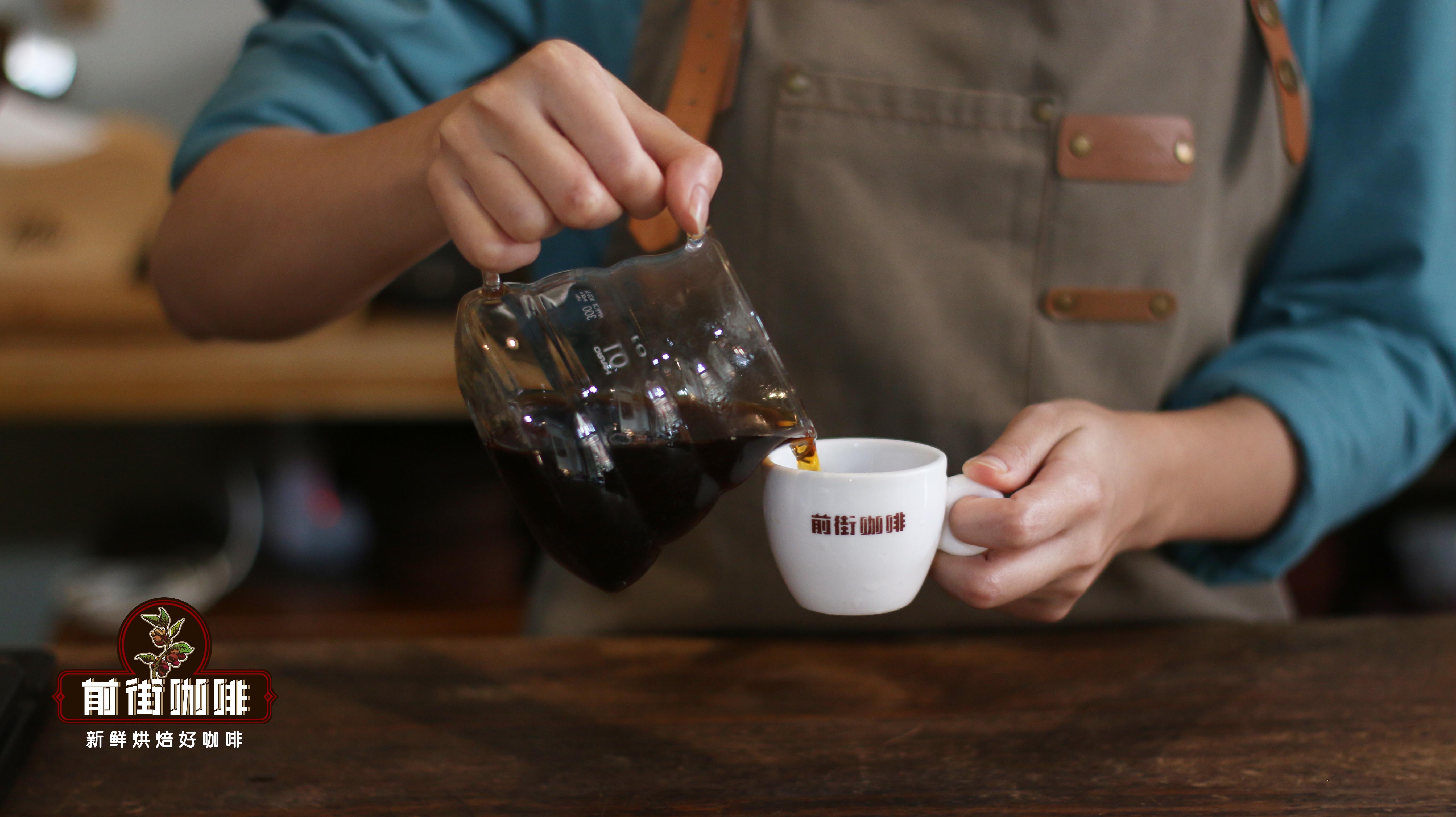
In terms of roasting and brewing, to fully showcase Mandheling’s flavor potential, many roasters opt for a medium-dark roast. This roast level helps reduce excessive acidity while enhancing body and overall balance. Take Golden Mandheling as an example: after medium-dark roasting, it often delivers notes of spices, herbs, and pine, accompanied by rich flavors of caramel, nuts, and dark chocolate, with a fruity-sweet finish. The overall profile is layered and well-balanced.
If you want to brew a medium-dark roasted Mandheling at home, it is recommended to adjust parameters to enhance its chocolatey characteristics. Since medium-dark roasted beans undergo more caramelization, which can release large-molecule bitter compounds, it is advisable to use slightly lower water temperature and a coarser grind. Specifically, you can use a Kono filter, with 15 grams of coffee, a 1:15 coffee-to-water ratio, and a grind size that allows 70–75% extraction through a #20 sieve, with water temperature controlled at 87–88°C. Start with a 30-second bloom using 30 grams of water, then pour in small circles until reaching 125 grams for the first pour. After the water level drops, continue pouring up to 225 grams to finish. The total brew time is about 2 minutes. This method helps prolong contact time between water and coffee, enhancing body while avoiding over-extraction.
The above content is compiled by CoffeeHunters, a coffee news website.


