







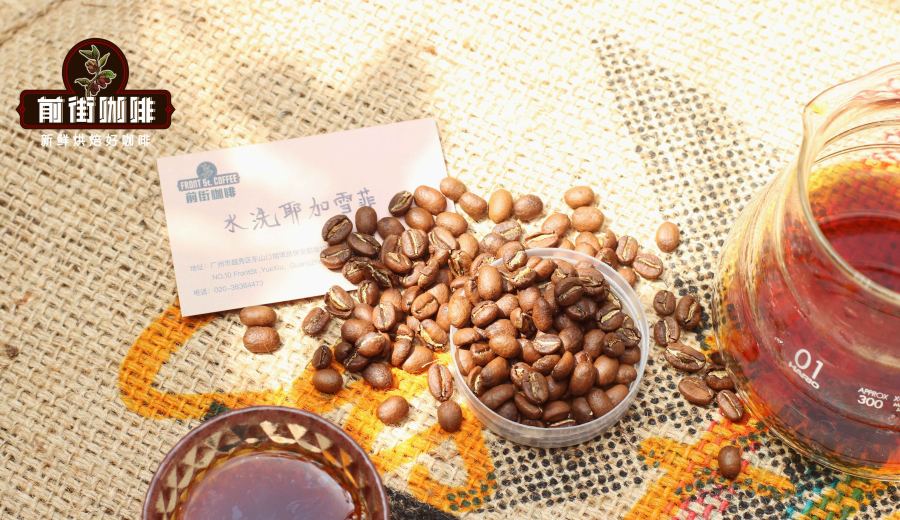
Introduction:Want to delve deeper into the unique charm of Yirgacheffe? This article will take you from the source in Ethiopia’s Gedeo region to explore the cultivation and processing methods of the Guji Dingding Cooperative, and analyze how this renowned specialty coffee develops its signature floral and fruity profile. We also provide a set of field-tested and effective V60 pour over parameters, including optimal grind size, water temperature, brew ratio, and stage extraction recommendations, so you can easily extract bright citrus acidity, delicate floral notes, and a soft tea-like finish.
The name Yirgacheffe carries deep historical meaning. In the ancient local lexicon, “Yirga” (yirga) means “to settle,” and “Cheffe” (cheffe) refers to “wetland,” together signifying “a place to find a home in this rich and moist land.” This small town located on the Ethiopian highlands, at an altitude of about 2,000 meters, is not only the birthplace of Yirgacheffe coffee but also nurtures numerous specialty coffees with distinctive regional flavors.
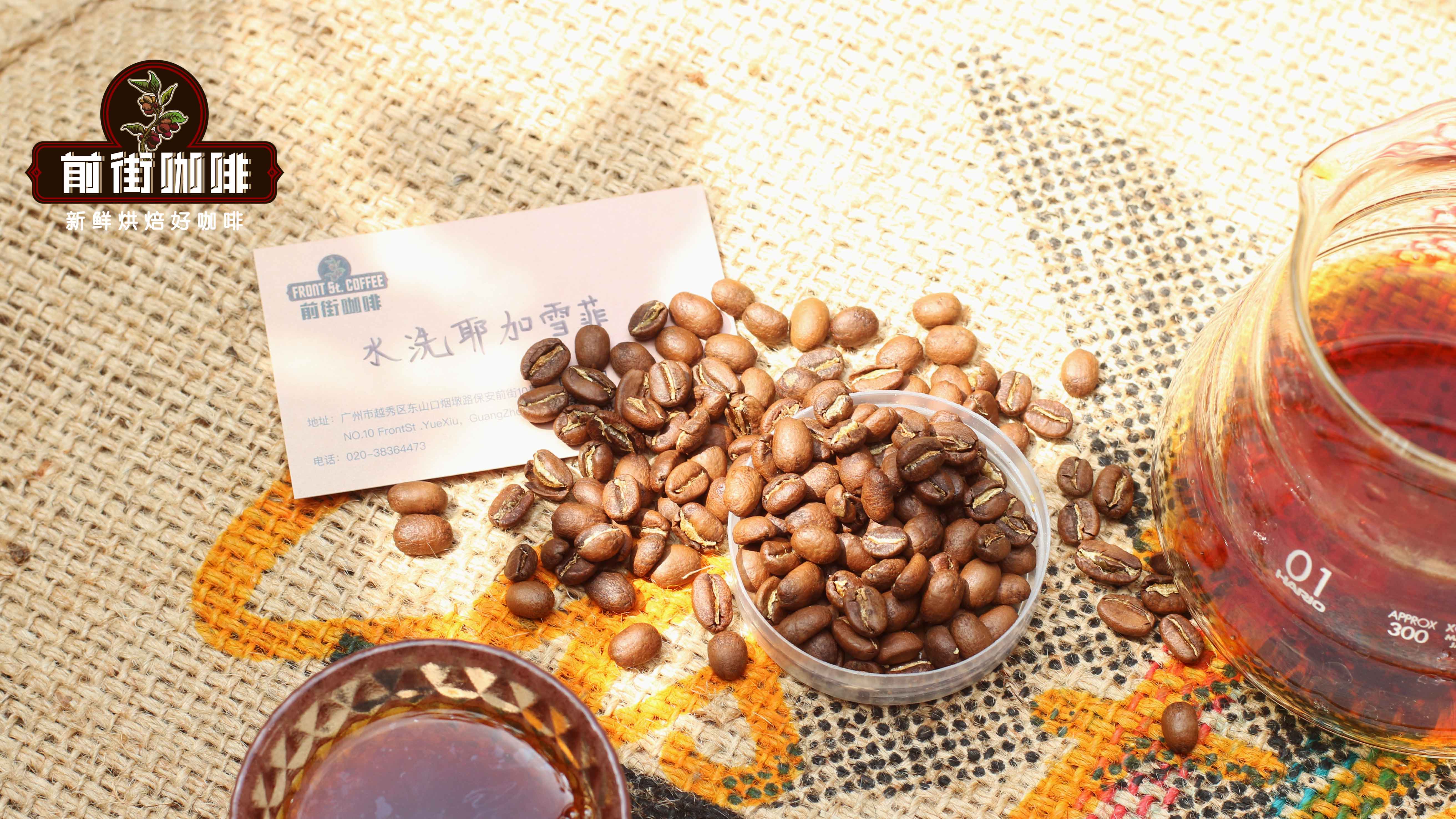
What truly made Yirgacheffe famous is the delicate floral and fruity profile its coffee exhibits. When tasting it, you’ll first perceive an elegant aroma reminiscent of jasmine, followed by a lively burst of lemon acidity on the tongue, with the finish often carrying a hint of mellow black tea. This layered yet harmonious combination of flavors makes Yirgacheffe a top choice for many pour over enthusiasts.
When discussing the source of high-quality Yirgacheffe, one cannot overlook the Guji Dingding Cooperative located in the Gedeo region. This cooperative organization is formed by approximately 700 smallholder farmers in the area, with each household farming an average of about 2 hectares, totaling a planted area of 888 hectares. These coffee trees are mostly grown at elevations between 1,900 and 2,100 meters above sea level, where there is a significant diurnal temperature variation—around 25°C during the day and dropping to 18°C at night. Coupled with moderate shade trees such as acacias and podocarps, these conditions provide an ideal growing environment for the coffee cherries.
The Guji Dingding Cooperative has a centralized processing facility where nearby smallholder farmers deliver their harvested coffee cherries for subsequent processing. To ensure the quality of green beans, the cooperative requires farmers to pick only fully ripe red cherries—a step that greatly influences the purity of the final flavor. Based on past experience, Guji Dingding green beans, which are rigorously controlled in harvesting quality, have consistently enjoyed a good reputation in the international market.
In terms of processing methods, the Guji Dingding Cooperative offers two mainstream techniques: natural (sun-dried) and washed. Naturally processed coffee beans tend to have a richer sweetness, with fruit aromas similar to strawberries and blueberries, while washed processing highlights a crisper citrus and apple acidity while maintaining a clean taste profile. Both processing methods have their distinct characteristics, catering to different preferences among coffee drinkers.
When actually sipping a high-quality Yirgacheffe, it is recommended to take light sips, which allows you to more clearly capture the complex changes in its aroma. Upon first taste, a distinct lemon acidity can be felt on the sides of the tongue, followed by a soft citrus sweetness in the middle of the mouth, with the finish often carrying a richness and aftertaste akin to black tea. This refreshing yet layered flavor expression is precisely why Yirgacheffe is deeply loved by coffee enthusiasts around the world.
If you want to brew Yirgacheffe at home that comes close to café-level quality, here is a set of field-tested V60 pour over parameter recommendations:Use a V60 filter cone, paired with a medium-fine grind (recommended EK43s setting 10, or about 80% passing rate through a Chinese standard No. 20 sieve), with water temperature controlled at 91°C, and a brew ratio set at 1:15.. For specific operation, it is recommended to use a staged extraction method—first pour 30 grams of water for a 30-second bloom, then slowly circle with a small stream of water in the center of the coffee bed, pouring up to a total of 125 grams (approximately 95 grams in the second pour), wait for the water level to slightly drop, then continue pouring up to 240 grams to complete the extraction. The entire process is recommended to be completed in about 2 minutes, and remove the filter cone when the water level is about to expose the coffee bed to achieve the best extraction balance.
Whether you’re a beginner just getting into pour over or a coffee enthusiast looking to further improve your brewing skills, gaining a deeper understanding of the origin background and applying these practical parameters will help you more accurately grasp the unique character of this classic coffee and enjoy a full-sensory coffee experience—from aroma, taste, to mouthfeel.
The above content is compiled by CoffeeHunters, a coffee news website.


