







Introduction:The Golden Mandheling coffee beans produced by PWN are renowned for their consistent quality and clean flavor profile, making them one of the representatives of premium Indonesian coffee. This article will delve into this highly acclaimed coffee bean through its regional background, rigorous selection process, brand origin, and practical brewing suggestions. Whether you're a beginner in pour over or an enthusiast of espresso extraction, you can grasp key points in selection and brewing from this guide.
Among the many premium Indonesian coffees, the Golden Mandheling produced by PWN stands out with its uniformly plump green bean appearance, distinct and clean flavor profile, as well as a rich yet delicate mouthfeel. This coffee bean is not only suitable for single-origin pour over but is also widely used in various espresso extractions, earning widespread acclaim among coffee lovers around the world.
The uniqueness of Golden Mandheling can be analyzed through three core elements. The first is the selection of origin — PWN primarily sources coffee cherries directly from smallholder farmers in the Gayo highland region of Sumatra. Coffee cultivation in this area largely relies on shaded farming, which helps maintain a stable microclimate and positively influences the complexity and sweetness of the coffee's flavor.
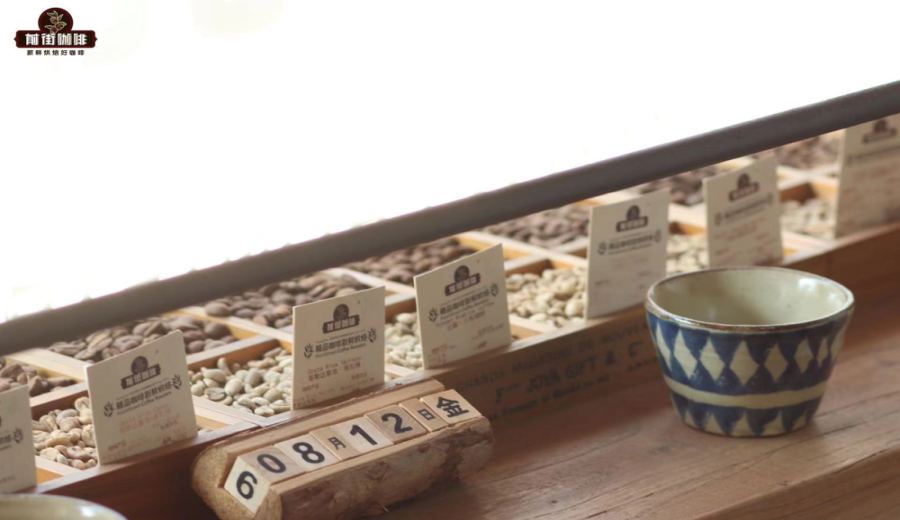
The second is the strict standards in green bean processing and selection.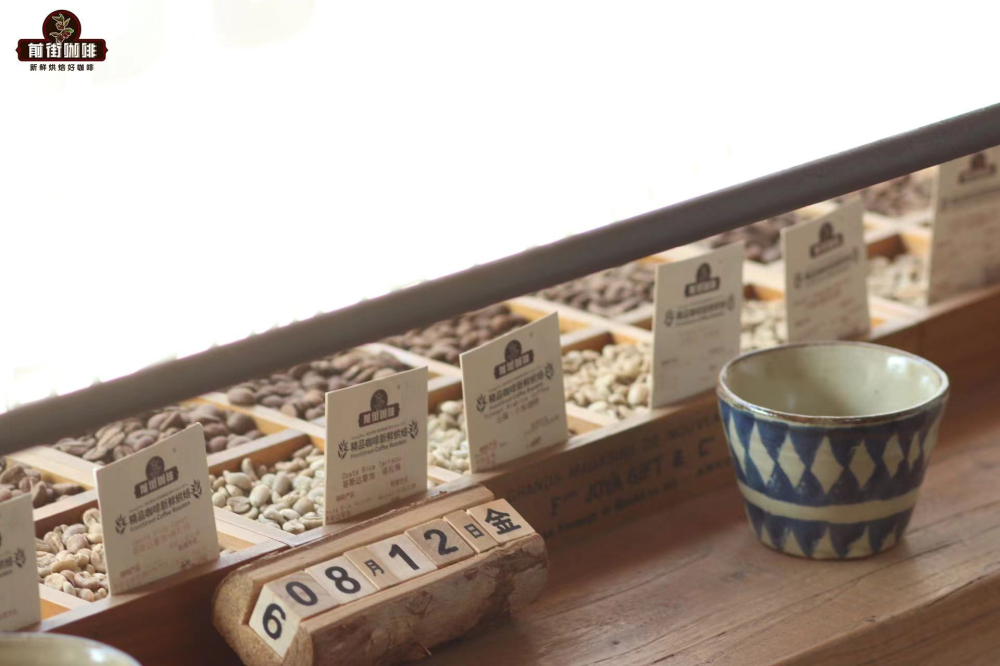 After harvest, PWN prioritizes the removal of unripe and substandard beans, and employs the washed processing method. Next, each batch of green beans undergoes at least three rounds of manual hand-picking and one round of mechanical screening. This procedure effectively keeps the defect rate extremely low — according to actual tests, there are usually no more than three defective beans in a 300g sample. The final green beans exhibit a uniform bluish-green color, consistent bean size, and an overall condition that clearly surpasses the standard of Indonesia’s conventional G1 grade.
Thirdly, the name “Golden Mandheling” is actually a registered trademark owned by a specific company. As this coffee bean gained increasing international recognition, many imitations claiming to be “Golden Mandheling” have appeared on the market, but most of these are not sourced from the original company and lack the same stringent quality control processes. Therefore, if you wish to enjoy an authentic and consistently high-quality version, it is crucial to look for the original company’s trademark. The Golden Mandheling coffee beans offered here are directly imported from that company, guaranteed to be freshly roasted, and undergo strict quality control before shipment. They are typically dispatched within 24 hours of ordering and delivered within five days after roasting, ensuring the flavors are at their peak.
As for the origin of the name “Mandheling,” it actually has nothing to do with the region or coffee variety, but stems from a small anecdote during World War II. It is said that a Japanese soldier once drank an unforgettable cup of coffee in Sumatra. When he asked the shop owner for the name of the coffee, due to a language barrier, the owner misunderstood the question as “Where are you from?” and answered “Mandheling tribe.” After the war, the Japanese soldier returned home and couldn’t forget that coffee, so he specially commissioned the original shop to export 15 tons of coffee beans to Japan. The response was overwhelmingly positive, and thus the name “Mandheling” spread.
Later, to meet the market demand for high-quality Mandheling, the original coffee shop owner established the Pwani Coffee Company (abbreviated as PWN). However, Sumatran coffee is processed using the local wet-hulling method — where partial moisture is removed but the beans are still covered with a parchment-like outer layer when sun-dried — often resulting in a higher defect rate. To overcome this issue, PWN introduced multiple rounds of manual sorting during processing, significantly improving overall quality. Additionally, because the green beans take on an attractive golden hue under the sunlight, they were named “Golden Mandheling.”
In terms of roasting recommendations, this version of Golden Mandheling is typically roasted to just before the second crack, placing it at a medium-dark roast level. This roast degree balances acidity and body, highlights the bean’s unique herbal and spicy notes, while retaining good sweetness and body. This roast style is well-suited for various brewing methods such as pour over, moka pot, French press, and even SOE espresso.
For actual pour over brewing, it is recommended to use a medium-fine grind (about as fine as granulated sugar), with water temperature controlled at 90–92°C, and a coffee-to-water ratio of 1:15 to 1:16. This will fully showcase its citrus, nutty, and subtle spicy layers. If using an espresso machine, adjust the grind to a medium-fine level suitable for medium-dark roasts, and with proper tamping and extraction time, a rich and balanced result can also be achieved.
In summary, PWN Golden Mandheling is not only a classic representation of Indonesian coffee, but also, thanks to its strict green bean selection and brand assurance, has become a premium choice in the hearts of many coffee enthusiasts. Whether for daily enjoyment or as a gift for family and friends, it is a decision full of taste and sophistication.
The above content is compiled by CoffeeHunters, a coffee news website.


