







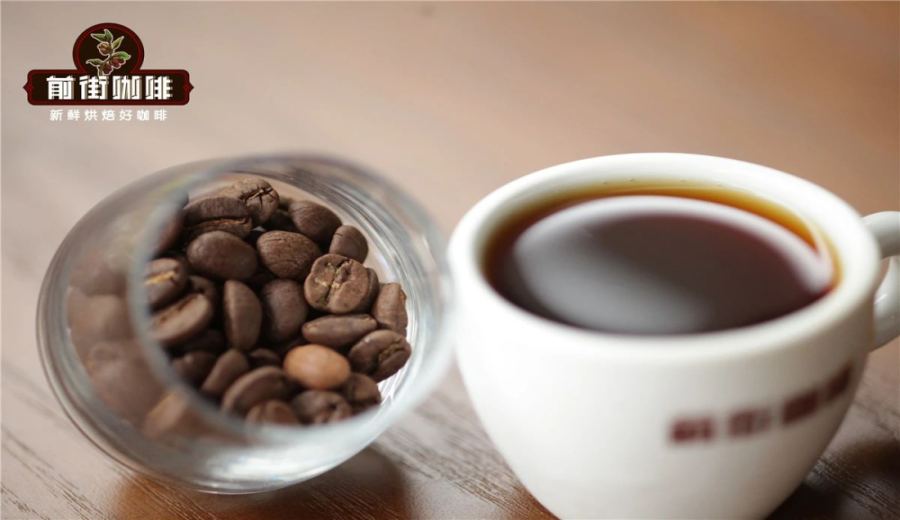
Introduction:Jamaican Blue Mountain coffee is hailed as a legend in the coffee world, captivating enthusiasts with its elegant flavor profile and stringent quality control. But did you know that not all coffee produced in Jamaica can be called Blue Mountain? This article delves into the core terroir of the Blue Mountain coffee-growing region, the adaptability of the Typica variety, the rigorous certification system by CIB, as well as the quality standards and packaging features of Blue Mountain No. 1. It also provides practical pour over parameters and flavor insights to help you fully appreciate the unique qualities of this world-class coffee.
When it comes to the "King of Coffee," many people first think of Jamaican Blue Mountain coffee. Even those who don’t drink coffee often have heard of its fame. Although its popularity may not be what it once was, its delicate, balanced aroma and taste still attract coffee lovers from around the globe. However, it’s important to note that not all coffee produced in Jamaica qualifies to be labeled as "Blue Mountain." This article will provide a detailed analysis of the growing environment of Blue Mountain coffee, the characteristics of the Typica variety, the CIB certification process, as well as the quality control and packaging details of Blue Mountain No. 1, accompanied by practical pour over suggestions and flavor descriptions to help you truly understand the allure of this legendary coffee.
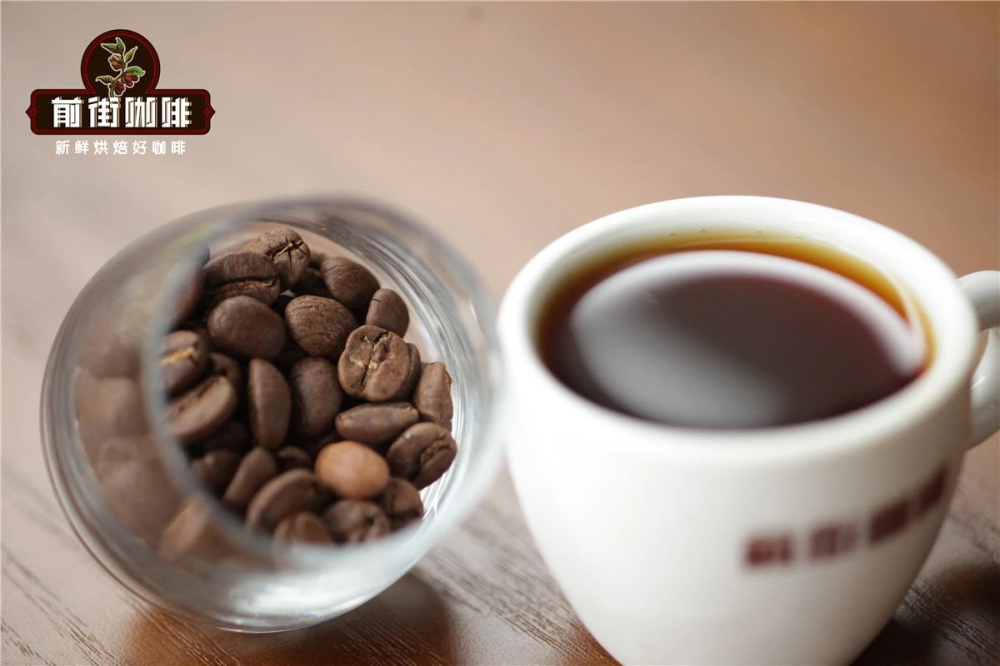
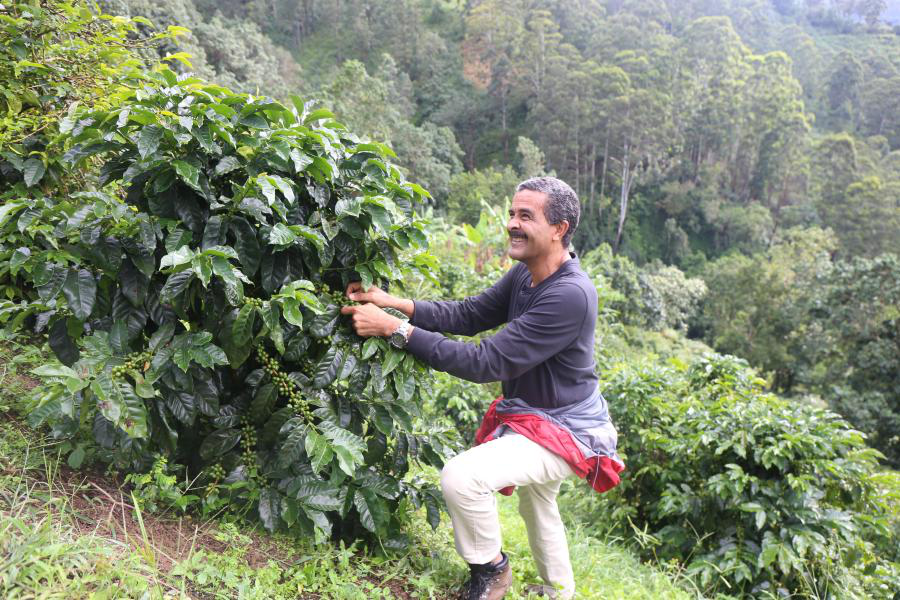
Why can Jamaica grow such premium coffee? The answer lies in the Blue Mountains. This mountain range, located on the eastern part of the island of Jamaica, is surrounded by the sea on three sides. Under sunlight, the mountains emit a captivating blue hue, hence the name "Blue Mountain." Far from urban hustle and bustle, with elevations exceeding 2,000 meters at their highest points, this area is not only a renowned tourist destination but also an ideal location for coffee cultivation. The local volcanic soil is fertile, and the ample sunlight and rainfall provide perfect growing conditions for coffee trees. Interestingly, local farmers often intercrop coffee with crops like bananas and avocados, creating a unique agricultural ecosystem.
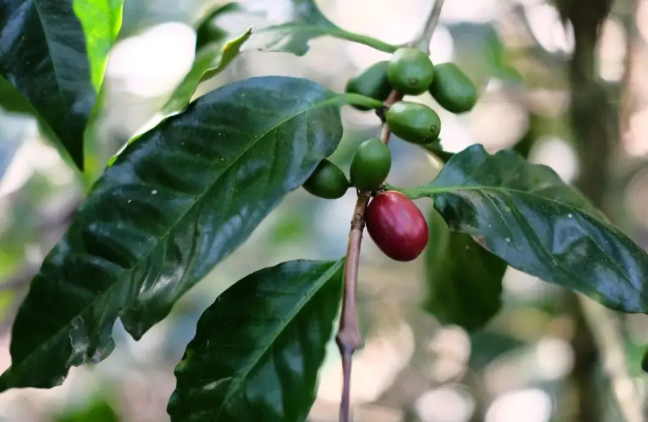
Coffee is extremely particular about its growing environment, requiring a warm, humid, and frost-free climate, along with appropriate shading. The high-altitude areas of the Blue Mountains are perpetually shrouded in clouds and mist, creating an ideal microclimate for coffee trees. The primary variety grown here is Typica, an ancient variety originating from Ethiopia. Since being introduced to Jamaica by Sir Nicholas Lawes in the 18th century, it has gradually adapted to the island’s tropical rainforest climate, developing stronger disease resistance—especially notable against coffee berry disease—compared to typical Typica. These factors collectively contribute to the delicate and balanced flavor profile of Blue Mountain Typica coffee.
It’s worth noting that the rugged terrain of the Blue Mountains makes coffee farming and harvesting at high altitudes extremely challenging, requiring experienced pickers. This also results in very limited production. In fact, less than 15% of the coffee produced in Jamaica each year qualifies for Blue Mountain certification, totaling approximately 900 tons. The harvested coffee cherries are quickly transported to processing facilities, which is another reason why Blue Mountain coffee is so precious.
Not all coffee produced in Jamaica can be called Blue Mountain. According to regulations by the Jamaica Coffee Industry Board (CIB), only Typica coffee grown within a specific area of the Blue Mountains—approximately 6,000 hectares—qualifies to be labeled as "Blue Mountain coffee." These regions are mainly distributed across the parishes of St. Thomas, St. Mary, St. Andrew, and Portland, at elevations between 910 and 1,700 meters, accounting for only one-third of the entire Blue Mountain cultivation area. Coffee from other areas is classified as High Mountain coffee or Jamaica Prime coffee.
The CIB enforces extremely strict regulations on the production, quality control, and sales of Blue Mountain coffee. Every stage—from planting and harvesting to processing and grading—is closely monitored to ensure the final product meets the highest standards. The CIB is not only responsible for grading Blue Mountain coffee but also conducts rigorous quality inspections. All exported Blue Mountain coffee must be certified by the CIB and bear an official label.
Compared to other regions, Jamaica was one of the first countries to prioritize the concept of "terroir" in coffee. The evaluation criteria for Blue Mountain coffee cover multiple dimensions, including green bean size, defect rate, appearance color, uniformity, as well as cupping performance after roasting (such as dry fragrance, wet aroma, acidity, flavor, body, cleanliness, etc.). Based on these comprehensive indicators, Blue Mountain coffee is divided into four grades, from highest to lowest: Blue Mountain No. 1, Blue Mountain No. 2, Blue Mountain No. 3, and Blue Mountain Peaberry. Among them, top-tier Blue Mountain No. 1 green beans must meet specifications of 17 mesh or larger, a defect rate below 3%, a moisture content of around 13%, and demonstrate rich aroma, smooth and balanced taste, low acidity, and a lingering sweet aftertaste in cupping evaluations.
So, what kind of packaging indicates genuine Blue Mountain No. 1? Blue Mountain coffee that passes quality inspections is packaged differently according to grade. Blue Mountain No. 1, No. 2, and No. 3 are among the few coffees in the world exported in wooden barrels, with barrel sizes of 70 kg, 30 kg, and 15 kg respectively. Other grades of Jamaican coffee are typically exported in 60 kg jute sacks. Oak barrels help regulate internal and external humidity, effectively preserving coffee aroma and maintaining stable moisture content in the beans, greatly benefiting roast performance. For this reason, wooden barrel packaging has also become one of the key identifiers of authentic Blue Mountain coffee.
Additionally, the production and export of all Blue Mountain coffee are strictly controlled. Producers must obtain a permit issued by the Jamaican government and authorization from the CIB. Each batch of exported Blue Mountain coffee must undergo quality inspection and certification by the CIB and be accompanied by an official label. Taking the renowned Blue Mountain No. 1 as an example, it comes from the Clifton Estate, bearing a quality certificate issued by the Jamaica Coffee Board, an authorized sales certificate from the producer, and an origin certificate for Blue Mountain coffee, ensuring that every bean meets the highest standards.
Want to experience the unique flavors of Blue Mountain No. 1 at home? Here are some practical pour over parameter recommendations: Use 15 grams of coffee grounds, with a brew ratio of 1:15. The grind size is suggested to be set to EK43s scale 10.5 (approximately equivalent to 75% passing rate through a Chinese standard 20-mesh sieve). Water temperature should be controlled between 87–88°C. During brewing, you can use the pulse pouring method: place the filter paper in the KONO dripper, rinse it with water to wet it and make it adhere to the dripper wall; pour in the coffee grounds and gently tap to level the coffee bed. The first stage involves pouring 30 grams of water for a 30-second bloom; the second stage consists of steadily pouring up to about 125 grams; when the water level drops halfway, pour up to 225 grams in the final stage, with a total brew time of approximately 2 minutes. These parameters will fully showcase the nuanced flavor layers of Blue Mountain No. 1.
The brewed Blue Mountain No. 1 delivers quite a captivating flavor profile: the first sip reveals deep notes of dark chocolate and nuts, with a rich and multi-layered mouthfeel and a clear, distinct almond finish. As the temperature cools, it unveils the sweet, silky sensation of roasted hazelnuts and cream, accompanied by gentle acidity and caramel sweetness. The overall aroma lingers in the mouth for a long time, making it a top-tier coffee experience not to be missed by any coffee enthusiast.
The above content is compiled by CoffeeHunters, a coffee news website.


