







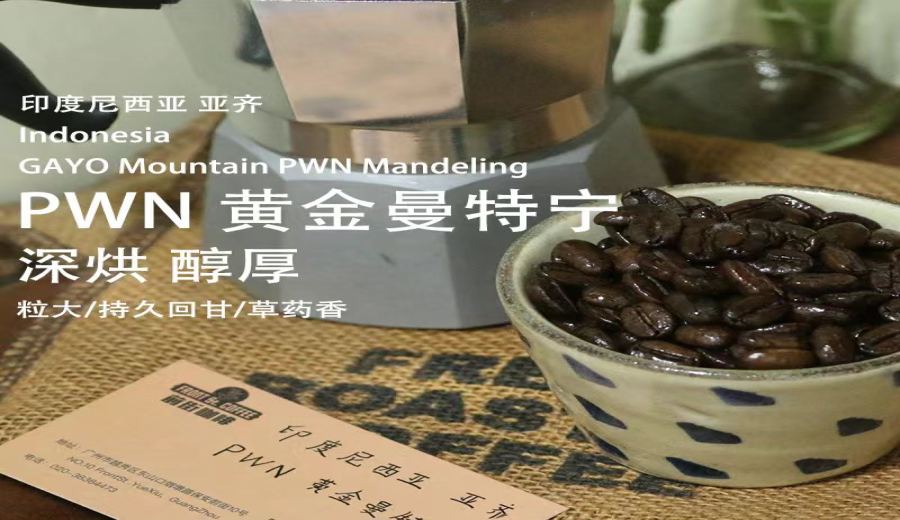
Introduction:Indonesian Mandheling coffee is renowned for its rich and bold characteristics, but with numerous brands and mixed grades in the market, beginners often don’t know where to start. This article provides an in-depth analysis of two well-known Mandheling coffees from Sumatra — one being the PWN Golden Mandheling launched by a major retailer, and the other being the Lintong Mandheling. From origin and variety to processing method, roasting, and pour over parameters, it will guide you on how to select high-quality Mandheling and understand the origins of its classic flavors such as dark chocolate, spices, and caramel.
Mandheling coffee is the most representative coffee variety in Indonesia. However, the wide array of brands and grades available on the market makes it a challenge for consumers seeking authentic Mandheling to choose a stable and high-quality product. This article focuses on two renowned Mandheling coffees from Indonesia — one being the PWN Golden Mandheling launched by a major retailer, and the other being the Lintong Mandheling. It covers regional background, variety traits, processing methods, grading standards, as well as roasting profiles and pour over recommendations, helping you build comprehensive knowledge for selecting and appreciating Mandheling.
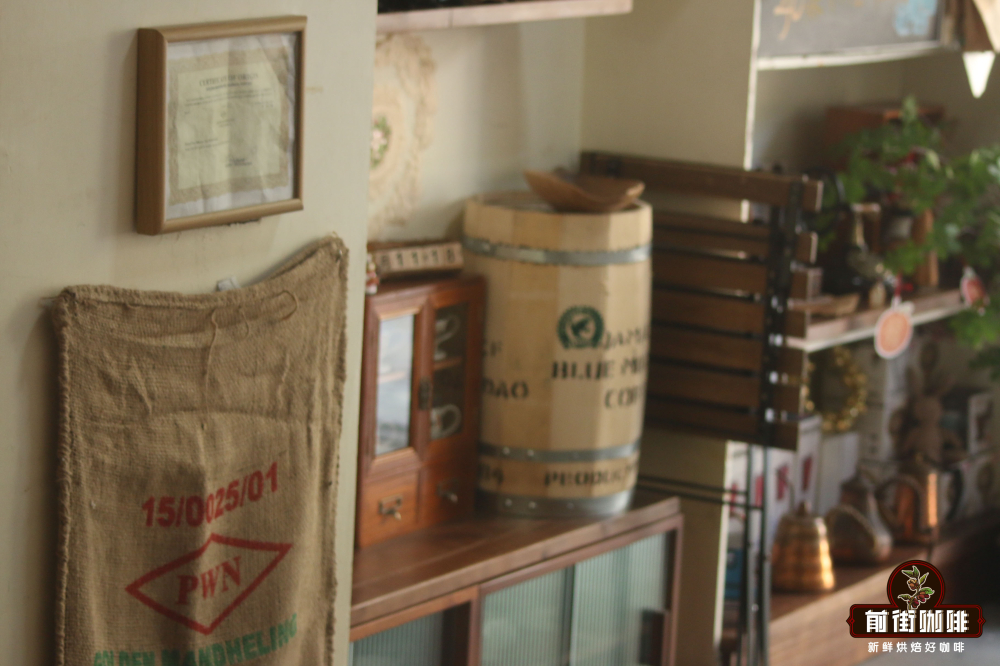
First, let’s talk about the highly acclaimed PWN Golden Mandheling launched by a well-known brand. This coffee comes from the Gayo Highlands in Aceh Province, at the northern tip of Sumatra Island, and is carefully selected by the renowned green bean supplier PWN. PWN has registered “Golden Mandheling” as its exclusive trademark, so only products labeled as PWN Golden Mandheling on the market are from the authentic source. The green bean sacks of this coffee are printed with the PWN logo and come with a certificate of origin, which can serve as identification for consumers when making a purchase.
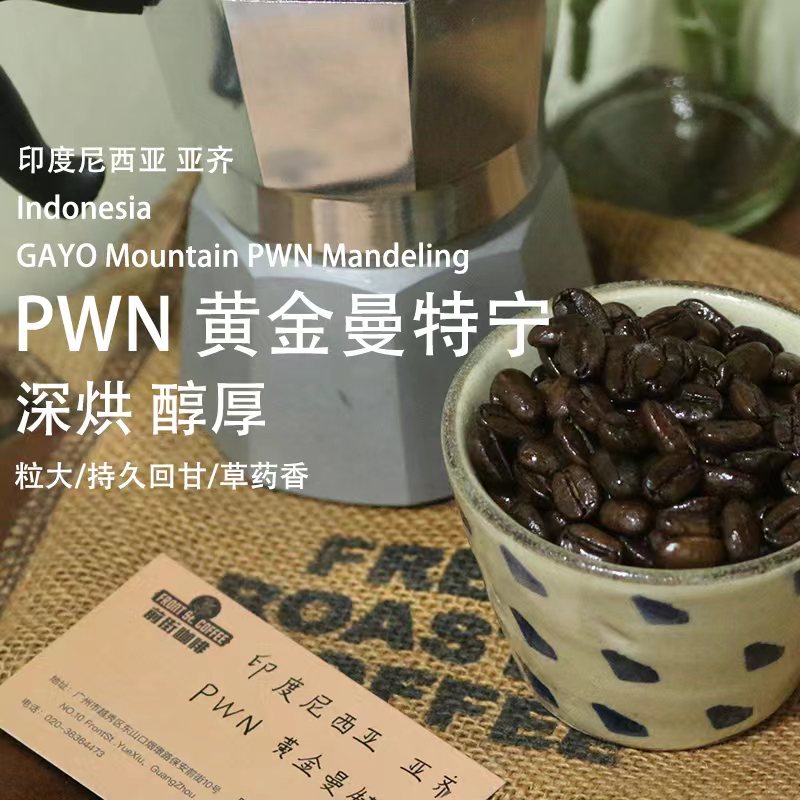
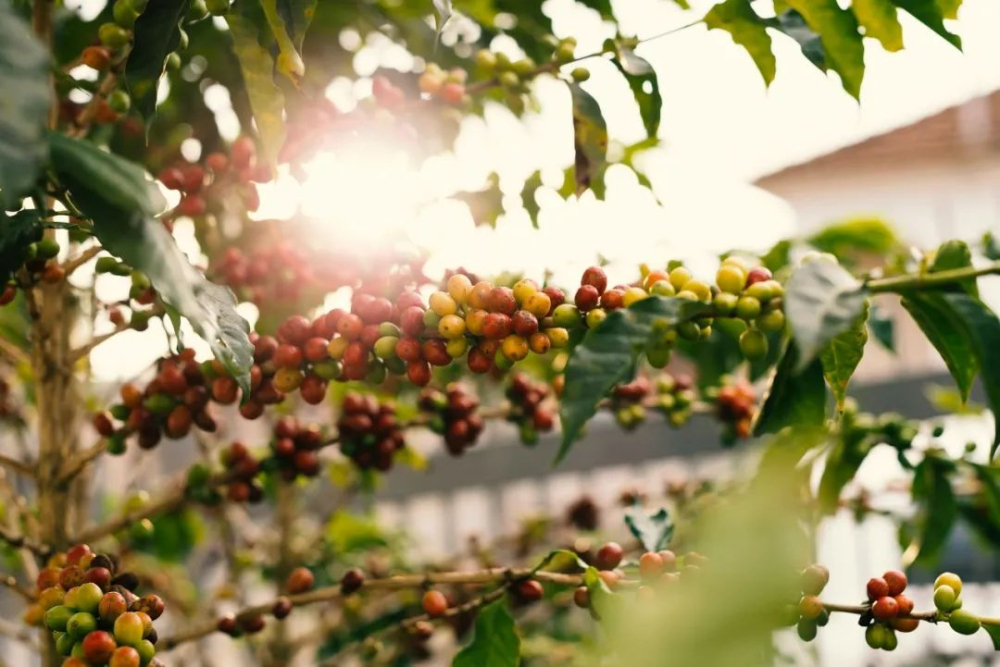
The Gayo region in Aceh is located at the northernmost part of Sumatra, with main planting areas distributed around the town of Takegon and the slopes near Lake Tawar, at altitudes of approximately 1100 to 1600 meters. In earlier years, political instability affected exports, but in recent years, as the situation has stabilized, the quality of the coffee has gradually gained attention, with some evaluations even surpassing those of the traditional Lintong growing region. The main variety grown here is Ateng, also known as Catimor, a hybrid of the Bourbon variety Catuai and Timor. Although Catimor is often criticized in other regions for its thin flavor profile, under Sumatra’s unique microclimate and the wet hulling process, it exhibits a rich woody tone and full-bodied mouthfeel.
Indonesia’s unique wet hulling process is a method developed to adapt to the region’s hot and humid environment. Traditional washed or sun-dried processing can easily lead to mold in such humid and hot conditions. Therefore, farmers ferment the coffee cherries briefly after removing the skin and pulp, then remove the parchment layer while the beans are not yet fully dry, and continue sun-drying until the moisture content reaches about 12%. Since the entire process takes place in an environment with 70% to 90% humidity and the parchment is removed early, the green beans are more prone to absorbing impurities and moisture from the air, resulting in the coffee’s distinctive herbal, woody, and spicy undertones.
The Lintong Mandheling used by the same retailer is also processed using the wet hulling method. After roasting, it has low acidity, a rich body, and typical Indonesian flavors including grassy and spicy notes. It is a highly cost-effective everyday coffee bean, often sold in 100g small packages for easy sampling by consumers.
As for the PWN Golden Mandheling launched by the well-known brand, its green bean selection is even more rigorous. The “Triple Pick” and “GRADE 1” marked on the sack indicate that this coffee has undergone three rounds of manual hand-picking and is classified as Indonesia’s highest-grade green bean, G1. Indonesia’s green bean grading system is primarily based on the number of defective beans, with the G1 grade requiring no more than 11 defective beans in a 300g sample, along with a moisture content below 12.5% and impurity rate under 0.5%. The supplier goes a step further by implementing multiple rounds of screening on top of the G1 standard and using a density color sorter for grading, ensuring each green bean is uniform in quality and has a bright appearance.
To fully showcase the bold characteristics of Mandheling, the roasters at this retailer typically opt for a medium-dark roast, allowing the aromas of dark chocolate, caramel, and nuts to be fully released. Consumers are advised to choose freshly roasted beans, as the aromatic compounds in coffee dissipate quickly over time, affecting the final flavor profile. This retailer only ships beans roasted within five days to ensure customers receive them at their optimal flavor peak.
Recommended KONO filter three-stage pouring parameters are as follows:
- Water temperature: 87~88°C
- Coffee powder amount: 15 grams
- Powder-to-water ratio: 1:15
- Grind size: Medium-coarse (approximately 70% through a Chinese standard No. 20 sieve)
Three-stage pouring steps:
- First stage - Bloom: Pour 30ml of hot water to wet all the coffee grounds and let it bloom for about 30 seconds to help release gases and initiate flavor extraction.
- Second stage: Pour 100ml of hot water, primarily to bring out the golden crema and raise the coffee bed height, making subsequent extraction smoother.
- Third stage: Add 95ml with a gentle center pour, focusing on extracting mid-section flavors to enhance sweetness and overall balance.
By understanding the origin, processing method, grading, and roasting strategy, consumers can confidently select high-quality Indonesian Mandheling coffee. Whether you’re pursuing the premium flavors of PWN Golden Mandheling or the great value of Lintong Mandheling, both can showcase the unique richness and complexity of Sumatran coffee.
The above content is compiled by CoffeeHunters, a coffee news website.


