







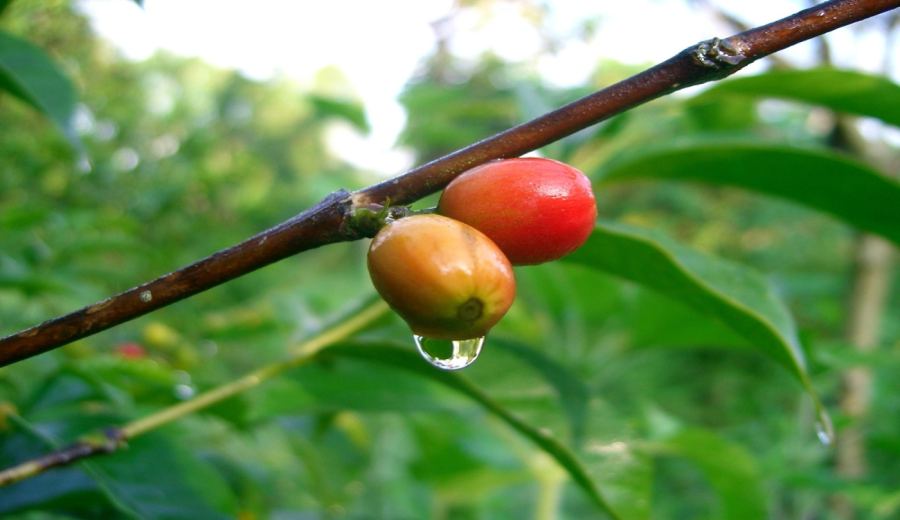
Introduction:Ecuador, a small country located on the equator in South America, is renowned for its uniqueness in cultivating both Arabica and Robusta coffee. From the high-altitude coffee farms of the Andes Mountains to the organic cultivation on the Galápagos Islands, each producing region harbors distinctive flavors. This article delves into the characteristics of Ecuador’s main coffee-growing regions, varieties, and processing methods, and provides practical flavor profiles and brewing references to help you fully appreciate this underrated coffee nation.
Ecuador, a small South American country traversed by the equator, may not have a loud voice in the global coffee market, yet it boasts a rare coexistence of both Arabica and Robusta. Its coffee cultivation history dates back to the early 19th century, and today the country has approximately 85,000 hectares of Arabica coffee farms and 110,000 hectares dedicated to Robusta. In addition to straddling the equator, Ecuador is home to the Andes Mountains stretching from north to south, fertile volcanic soils, and even one of the world’s highest active volcanoes. Such diverse natural conditions endow Ecuadorian coffee with rich layers of flavors, including nuts, chocolate, fruits, and gentle acidity.
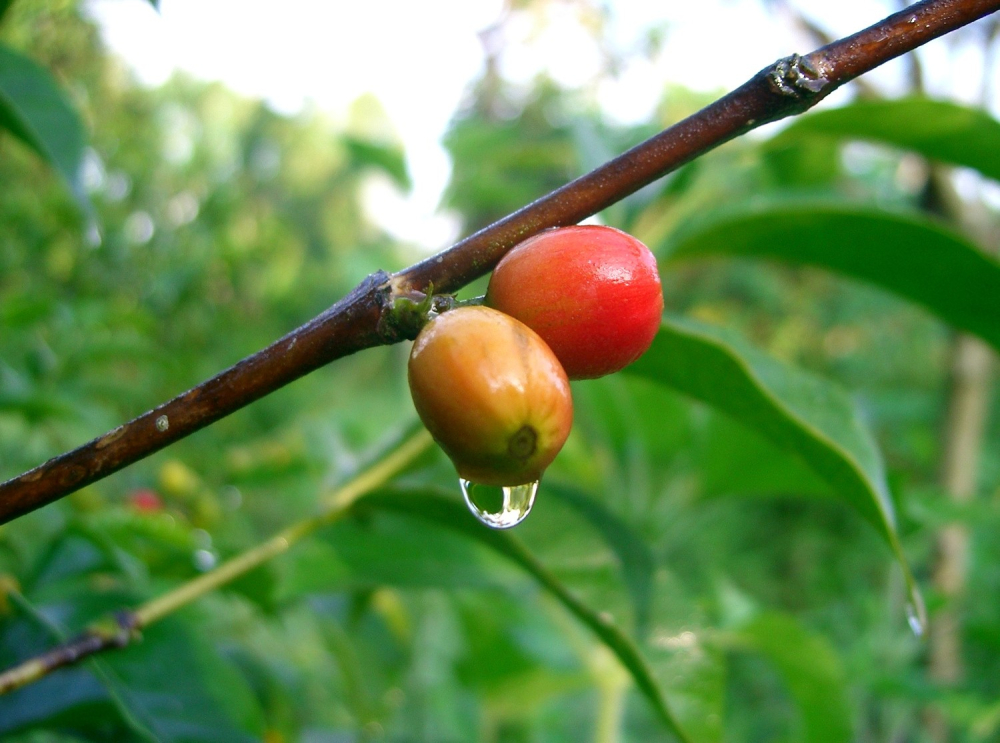
When it comes to Ecuadorian coffee, many may be unfamiliar with it, but this country nestled between Colombia and Peru is actually one of the few regions that produces both of the two major mainstream coffee varieties. The first introduction of Arabica here was in 1952, and since then a diverse planting structure has been formed. However, due to some areas still maintaining traditional harvesting and processing methods, most Ecuadorian coffee has yet to enter the top tier of specialty coffee, thus making it less common in the market and adding an element of exploration and discovery.
Among them, the Galápagos Islands are a major highlight. Located about 900 kilometers off the coast of mainland Ecuador, these islands are strictly designated as a national park by the government, where the use of pesticides and chemical fertilizers is completely banned, making the coffee produced there a model of organic cultivation.Galápagos coffee features a neutral to balanced flavor profile, with noticeable but not overly sharp acidity, medium body, and unique aromatic characteristics.Due to limited supply, this coffee is not commonly found on the market, but it is a highly potential specialty product.
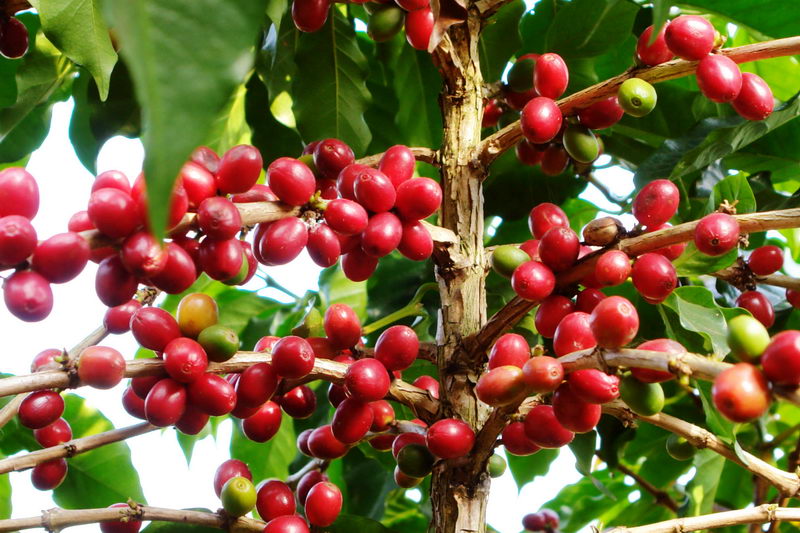
The highland coffee of Ecuador is mainly distributed at altitudes ranging from 1,000 to 2,000 meters. Different microclimates and soil conditions create varied flavor expressions. These coffees often carry aromas of fruit, grass, and chocolate, with a balance of acidity and bitterness, making them suitable for espresso or drip brewing, where their rich and layered characteristics can be fully showcased. Due to its proximity to the equator, along with an interplay of valleys and coastal terrains, Ecuador enjoys extremely diverse microclimates, which is also one of the reasons it is known as the “Country of the Equator.”
The main varieties grown locally include the traditional Bourbon and Typica. Among them, Bourbon is the most widely cultivated type, belonging to an ancient branch of Arabica, known for its stable yield and good flavor performance. Bourbon beans are round and plump, originally originating from Yemen and later introduced to Africa and the Americas via France, making it a common item in global specialty coffee competitions.
In terms of processing methods, Ecuador generally adopts the washed process (Washed Process).Through meticulous fermentation and washing procedures, it enhances the cleanliness and purity of the coffee’s flavor. The standard washed steps include: bean selection, pulp removal, fermentation (approximately 18–36 hours), washing to remove mucilage, sun drying or mechanical drying, and finally the hulling process. This method imparts bright acidity, balanced mouthfeel, and often features aromas of stone fruits (such as peach, apricot, plum), with high-altitude regions potentially also exhibiting floral notes.
Ecuador’s coffee-producing regions are diverse, and below are several representative growing areas:
Intag Valley
Located on the western foothills of the Andes Mountains south of Guayaquil and the coastal hills of Manabí Province, it primarily grows Arabica, with coffee flavors that are balanced, with well-harmonized sweetness, acidity, and bitterness, suitable for drinkers who prefer a mild and smooth taste.
Pichincha Province
Located in northwestern Ecuador, it is the main Robusta-producing region, yielding coffee beans at relatively lower prices, commonly used in instant coffee or blended formulations.
Loja Region
Situated in the southern Andes, at elevations between 1,450 and 2,000 meters, it is one of the country’s highest-altitude coffee-growing areas. Dominated by the Typica variety, it employs the washed method and shaded cultivation, resulting in fresh flavors with distinct highland characteristics, making it an important export region.
Galápagos Islands
This equator-straddling archipelago is not only a biodiversity treasure trove, but its coffee is also highly distinctive due to strict organic regulations. According toOCIA organic certification and Rainforest Bird Protection Certification,the local area completely bans the use of chemical agents and adopts shaded cultivation. The resulting coffee offers floral and fruity aromas, a rich mouthfeel, a long aftertaste, and layered flavors that rival those of renowned regions such as Jamaica Blue Mountain or Hawaii Kona.
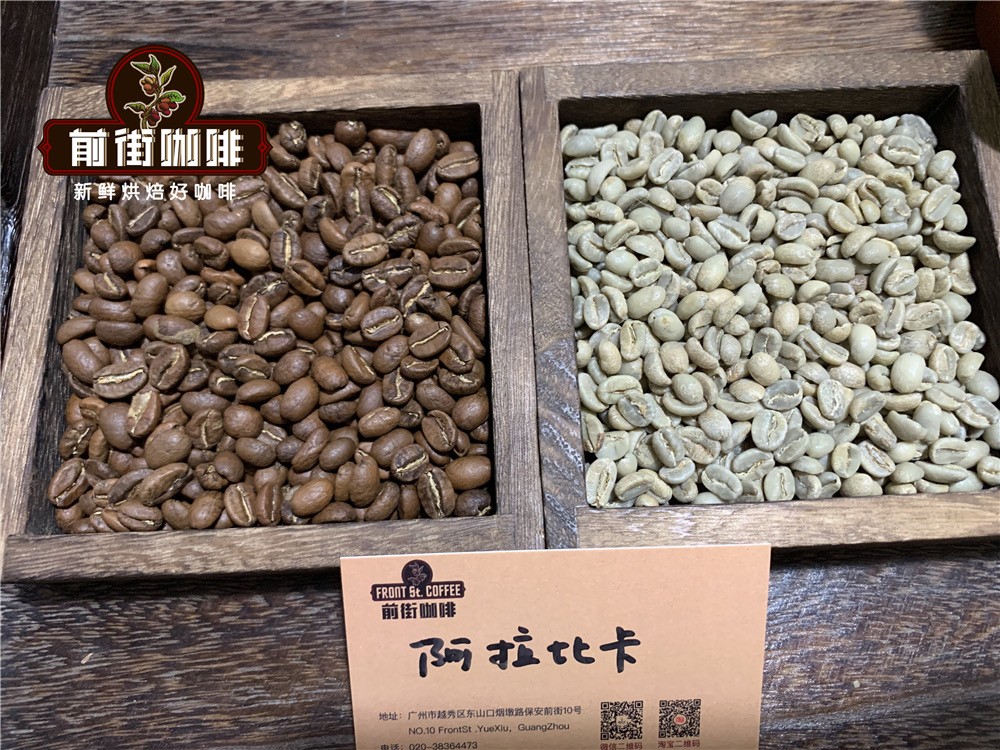
In summary, although Ecuadorian coffee has not yet entered the mainstream specialty market, its unique geographical environment, diverse variety selection, and distinctive processing traditions create a multifaceted and exploratory coffee experience. From the organic coffee of the Galápagos to the highland washed beans of the Andes, each variety showcases the natural bounty of the equatorial nation.
If you wish to deeply savor the essence of Ecuadorian coffee, it is recommended to choose freshly roasted beans within 5 days of roasting, and allow the coffee beans to rest for 4 to 7 days to reach their optimal flavor period. If you prefer pour over, it is advised to grind and brew immediately to preserve the best flavor; if grinding is necessary, consume the coffee as soon as possible to avoid oxidation affecting the aroma. Whether you’re exploring single-origin flavors or trying out blends, Ecuadorian coffee is sure to bring you unexpected surprises.
The above content is compiled by CoffeeHunters, a coffee news website.


