







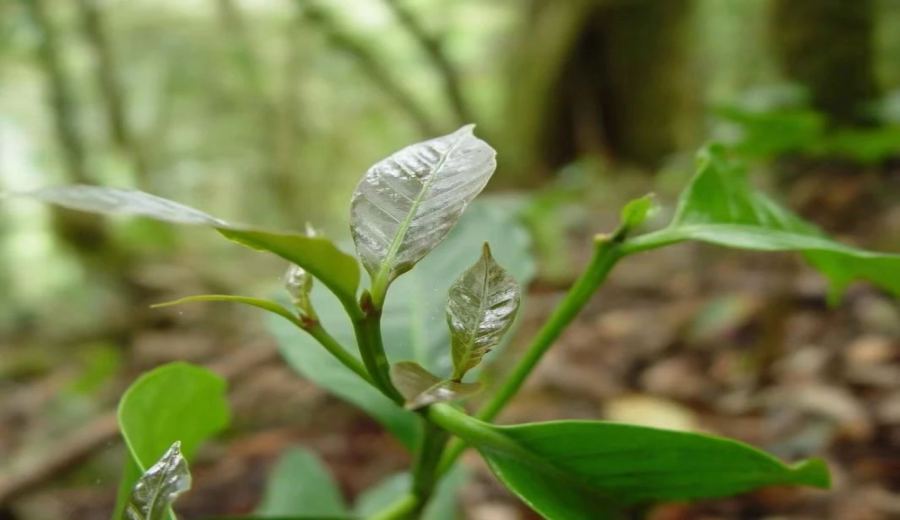
Introduction:Ever wondered why Geisha coffee from Panama’s Hacienda Esmeralda can fetch sky-high prices at auctions, and how to brew it with a V60 pour over to bring out its bright floral and fruity layers? This article dives deep into the origins of the Geisha variety, the growing environment at Hacienda Esmeralda, and the key factors that create its unique flavor profile. We also provide practical V60 three-stage pour over parameters, water temperature, and grind size recommendations to help beginners consistently extract a premium Geisha with balanced acidity and sweetness, and a smooth, sweet aftertaste.
The reason Geisha (Geisha) coffee is so beloved in the specialty coffee community lies in its complete overturning of the stereotype that “coffee equals bitterness.” This variety, originating from the Geisha Forest in Ethiopia, was first discovered in 1931 and later passed through the Kenya Coffee Research Institute to various countries. It wasn’t until the 1970s that it was introduced by Panama’s Don Pachi Farm and truly shined under the cultivation of Hacienda Esmeralda.
Located in the small town of Boquete in Panama, Hacienda Esmeralda is a globally renowned Geisha-producing region. Interestingly, “Geisha” shares a similar pronunciation with the Japanese word for “geisha,” and the aroma of Geisha coffee is indeed as delicate and multifaceted as a geisha—exquisite floral notes, elegant tea-like qualities, along with rich fruit tones of berries, citrus, and peaches. It’s refreshing on the palate yet layered and complex.
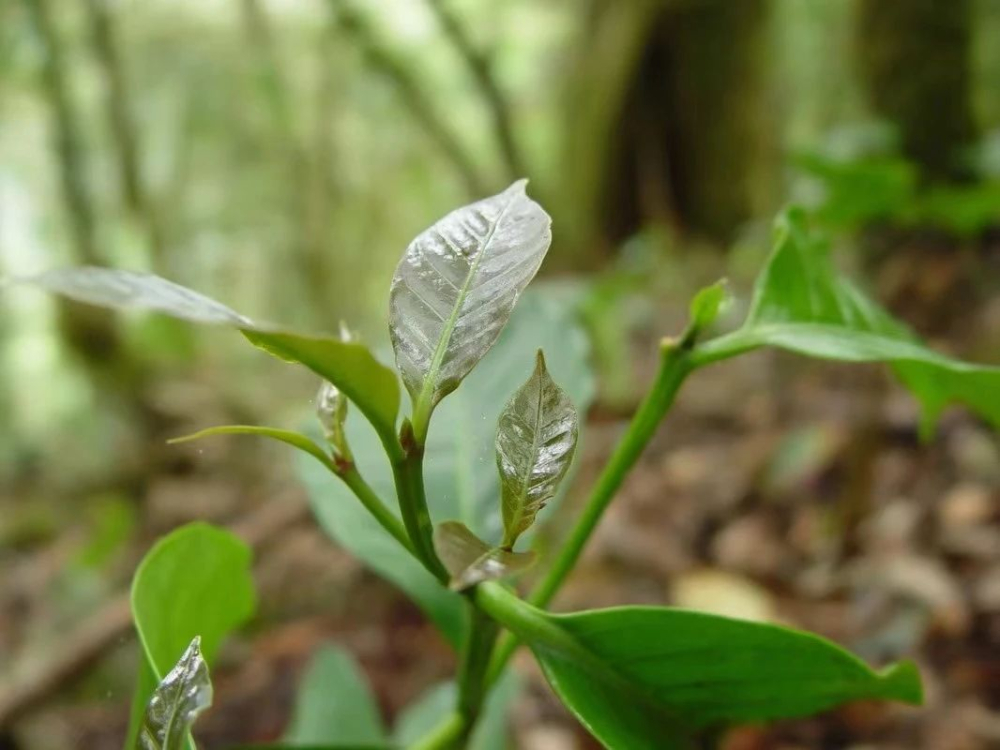
What truly sets Geisha apart is its complex flavor profile that combines floral, citrus acidity, and honey-like sweetness. For instance, a well-known coffee brand’s Emerald Green Label Geisha, when brewed properly, can exude captivating top notes of coffee blossom, cream, yellow lemon, and grapefruit. As the temperature drops, flavors such as citrus, peach, honey, and melon gradually emerge, with the aftertaste accompanied by the freshness of green tea and the lingering sweetness of caramel. The mouthfeel is smooth, and the finish is long-lasting.
As for why Geisha from Hacienda Esmeralda repeatedly achieves record-breaking prices at auctions? The foremost reason is, naturally, its exceptional and unique flavor profile. The second is its extremely low yield and high cultivation threshold. Geisha not only has strict altitude requirements—it must be grown at elevations above 1,500 meters to fully express its distinctive aromas and balanced acidity and sweetness—but also grows slowly and yields little, making Geisha beans that meet auction-grade standards even rarer.
Many coffee enthusiasts, upon first tasting a well-known coffee brand’s Emerald Green Label or Red Label Geisha, are often amazed by its bright acidity and fruity character. To preserve these delicate flavors, roasters typically opt for a medium-light roast. However, this also means that special attention must be paid to extraction rates during brewing to fully unlock its potential. Slightly increasing the water temperature and adjusting the grind size can help bring out more aromatic compounds, while appropriately raising the coffee-to-water ratio (e.g., 1:16) can make the acidity and sweetness layers even clearer and more distinct.
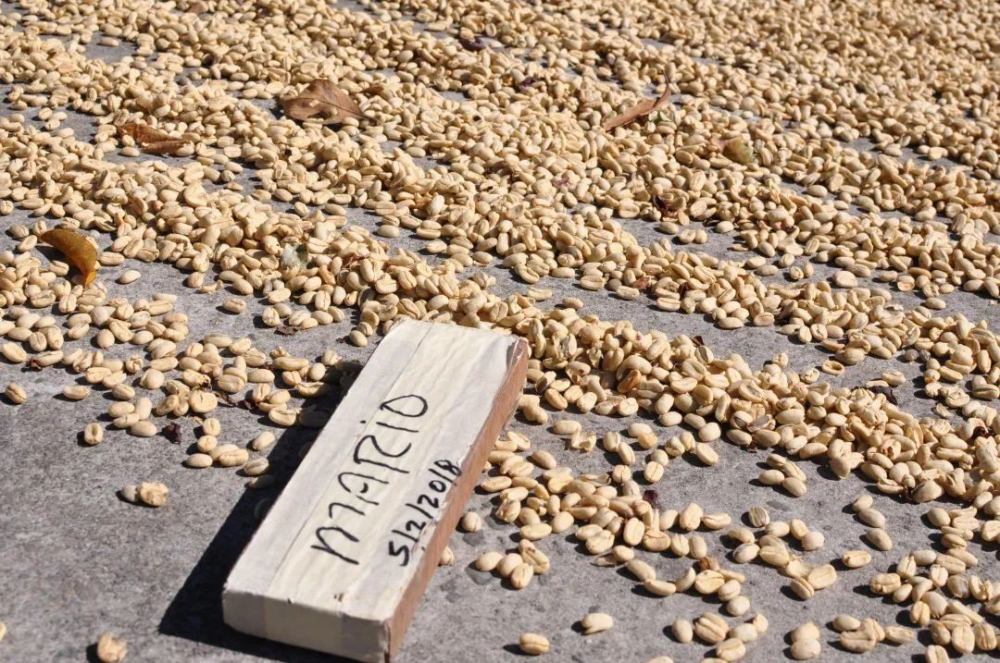
To consistently brew Geisha with a well-expressed layering, it is recommended to use a V60 dripper. The V60’s unique spiral ridges and venting slots extend the contact time between water and coffee grounds. Coupled with its large central hole and flow-guiding ribs, it not only accelerates the drainage speed but also concentrates the water flow pressure, ensuring even extraction of the coffee grounds and creating a rich mouthfeel and lingering aftertaste. In practice, it is recommended to use the following parameters: water temperature controlled at 91–92°C, coffee dosage around 15 grams, grind size close to that of fine sugar (you can use a #20 sieve to achieve about 80% extraction rate), and a coffee-to-water ratio set at 1:15.
The specific pour over steps can follow a three-stage pouring method: First, pour 30 grams of water for a 30-second bloom, gently circling to allow the coffee grounds to uniformly expand. Then pour 95 grams of hot water, and when you observe the coffee bed descending to about half, proceed with the final slow pour of 100 grams of water. Maintain a small stream and pour from the center throughout the entire process to avoid over-extraction or uneven extraction. Once the dripping finishes, it is recommended to gently swirl the cup to mix the coffee, and start tasting from a high temperature to fully experience its diverse flavor layers.
When you correctly extract the Emerald Green Label Geisha, what greets you is a bright lemony acidity and delicate floral notes, as fresh as jasmine in early spring. As the temperature drops, the interplay of acidity and sweetness brings out lively flavors reminiscent of berry juice, and the aftertaste carries the lingering essence of green tea paired with a gentle, sweet richness. The overall mouthfeel is full-bodied and smooth, making it perfect for savoring slowly.
The above content is compiled by CoffeeHunters, a coffee news website.


