







Introduction:Understanding the roast level of coffee beans is the first step in choosing the right flavor. From light to dark roast, each stage affects the balance of acidity, sweetness, bitterness, and mouthfeel. This article delves into the key milestones in the roasting process, helping you distinguish the true roast level behind the colors, and details the characteristics and differences of light, medium, and dark roast flavors. It also recommends classic dark roast beans to help you find your perfect match.
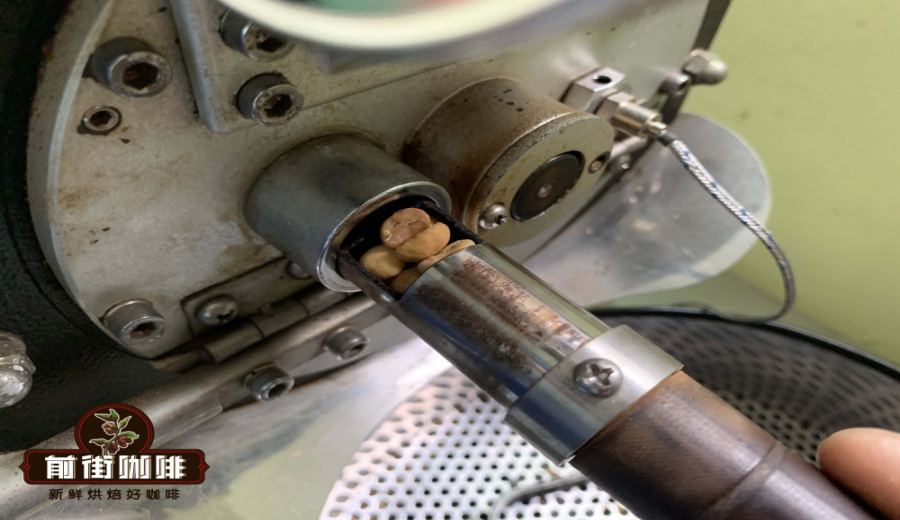
The transformation from green beans to roasted beans is a delicate journey of heat-driven change. During roasting, beans go through distinct stages such as drying, yellowing, first crack, and second crack—each playing a crucial role in the final flavor. Many people rely on bean color to judge roast depth, but this method can be misleading because factors like sugar content on the bean surface and heat exposure affect coloration. Visual color alone isn’t enough for an accurate assessment.
In reality, roast levels can be divided into eight grades, where lower numbers indicate darker roasts and higher numbers indicate lighter ones. However, this grading system is primarily for roasters’ reference, and it’s difficult for general consumers to accurately interpret roast levels based solely on color codes. To properly evaluate roast degree, you need to consider the beans’ appearance, shape, and post-brewing flavor profile to make a reasonable judgment, then broadly categorize them into light, medium, and dark roast.
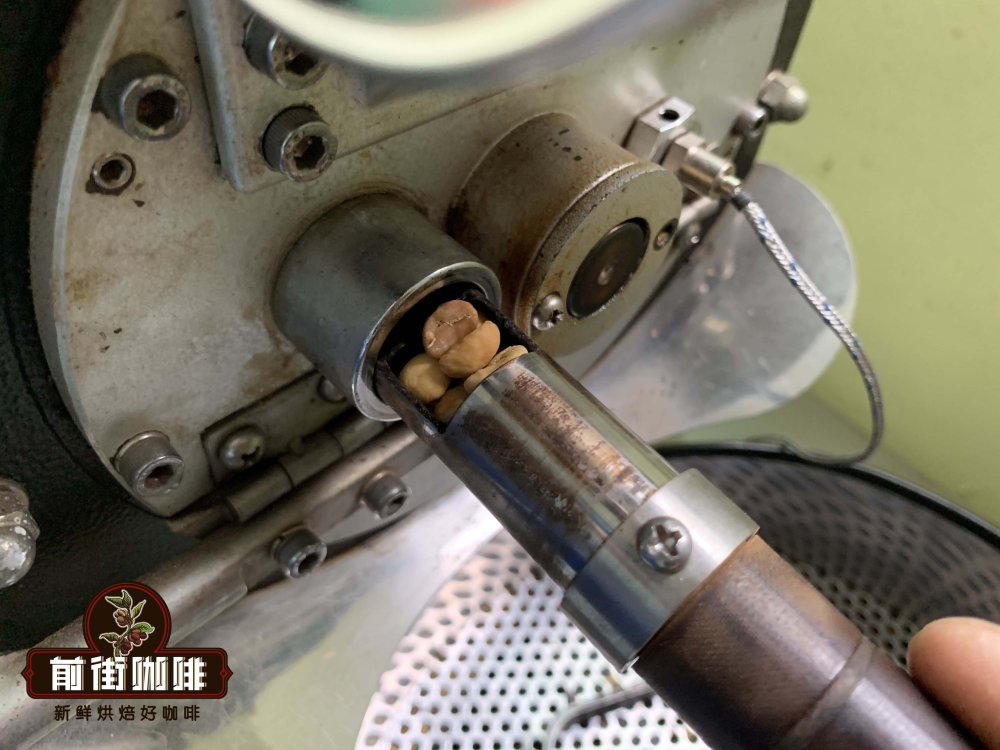
Light roast is typically dropped during the middle to end of the first crack. At this stage, the beans retain most of their original characteristics. Such coffees feature bright acidity, mild bitterness, and delicate, layered aromas. For example, some beans from Africa—like common Kenyan, Rwandan, or similarly flavored Red Cherry varieties—can exhibit pronounced citrus and berry aromas, along with a tea-like aftertaste. This roast is ideal for those who prefer a clean, fruity taste and is a favorite among many pour over enthusiasts.
Moving into medium roast, the timing falls after the first crack ends and before the second crack begins. At this stage, the beans undergo more pronounced caramelization, acidity relatively diminishes, sweetness becomes more prominent, and the overall profile is more balanced. Common flavor notes may include caramel, honey, nuts, while fruitiness remains but no longer dominates. Classic medium roast beans like Strawberry Candy, Sidamo, or Mozart showcase a rounder mouthfeel and richer aroma layers than light roasts, suitable for those who enjoy diverse flavor fusion.
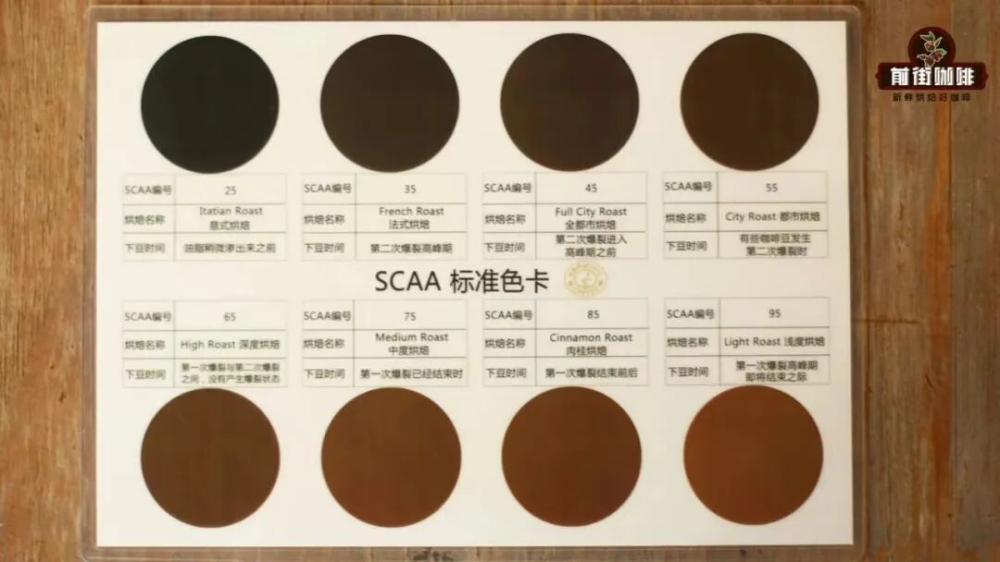
Dark roast refers to beans dropped after the second crack begins. This stage triggers extensive Maillard reactions and caramelization within the beans, shifting the flavor profile toward bitterness as the main axis, but also bringing intense sweetness and a full-bodied richness. These coffees often display deep-toned aromas like chocolate, nuts, and cocoa, with a bold mouthfeel and lingering aftertaste. Due to their pronounced yet layered bitterness, dark roasts are commonly used for espresso or milk-based drinks and are a favorite among many coffee aficionados.
Among representative dark roast beans, Golden Mandheling has always been a classic choice, with its intense spice notes and full body leaving a lasting impression. Classic Italian blends, designed specifically for espresso, showcase rich chocolate and nut tones, making them perfect for lattes or cappuccinos. These dark roast beans not only cater to those who prefer bold flavors but also satisfy users with higher expectations for coffee structure and aftertaste.
In summary, understanding roast levels helps you choose the coffee beans that best suit your taste. Light roast is ideal for those seeking fresh fruit acidity and aroma, medium roast offers balanced sweetness and diverse flavors, while dark roast excels in bold richness and strong sweetness. If you’re just beginning to explore the world of coffee, start with light to medium roasts, then gradually try dark roasts to experience the surprises and variations each stage brings.
The above content is compiled by CoffeeHunters, a coffee news website.


