







Introduction:Golden Mandheling is renowned for its rich, full-bodied flavor with distinctive spicy and herbal notes, yet many people struggle to replicate the café-quality taste at home, often ending up with a bitter brew when using pour over methods. This article will guide you through every factor that influences flavor — from bean selection and the characteristics of the wet-hulled process, to the PWN premium selection process, as well as grind size, water temperature, filter type, and the crucial three-stage pouring technique — providing a detailed breakdown of each element to help you extract a clean, sweet, and layered Golden Mandheling cup.
Mandheling coffee has long been one of the representatives of premium Indonesian coffee, and its most memorable trait is that distinctive herbal and spicy profile, with some even detecting a rich cigar-like aroma. However, many coffee enthusiasts find that when brewing at home, they often only taste a flat bitterness, completely missing out on the captivating aromas and complexity found in cafés. This article takes the highly acclaimed Golden Mandheling as an example, covering everything from bean freshness, the processing characteristics of the wet-hulled method, the strict screening by PWN, to powder-to-water ratio, grind size, water temperature, filter choice, and most importantly, the key three-stage pouring method. It will give you a comprehensive mastery of brewing Golden Mandheling, so you can also make a rich, clean, and long-lasting Indonesian-style coffee at home.
 Golden Mandheling holds a pivotal position among premium Indonesian coffees, and its most defining feature is its highly recognizable herbal and spicy character. Some describe it as having the steadiness of a cigar, while others sense a freshness akin to green grass. Yet, many consumers at home often only experience a single note of bitterness, while the layered aromas found in shops vanish. This time, we’ll use the classic Golden Mandheling as a model to deeply explore how to fully unlock this coffee’s potential through the correct brewing approach.
The first and most important step is selecting a pack of freshly roasted Golden Mandheling coffee beans. After roasting, coffee beans have an optimal flavor window, typically recommended for use within 5 days of roasting to fully experience their flavor characteristics. If the roast date has passed a month, the aroma will noticeably diminish, and no matter how skilled your technique, it will be difficult to achieve the desired flavor. Therefore, it is advised to avoid using beans that have been stored for too long to ensure the best extraction results.
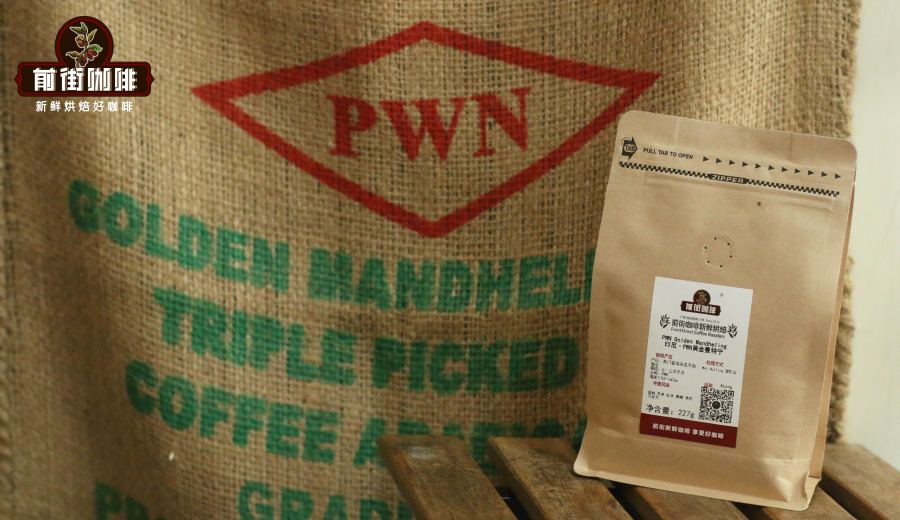
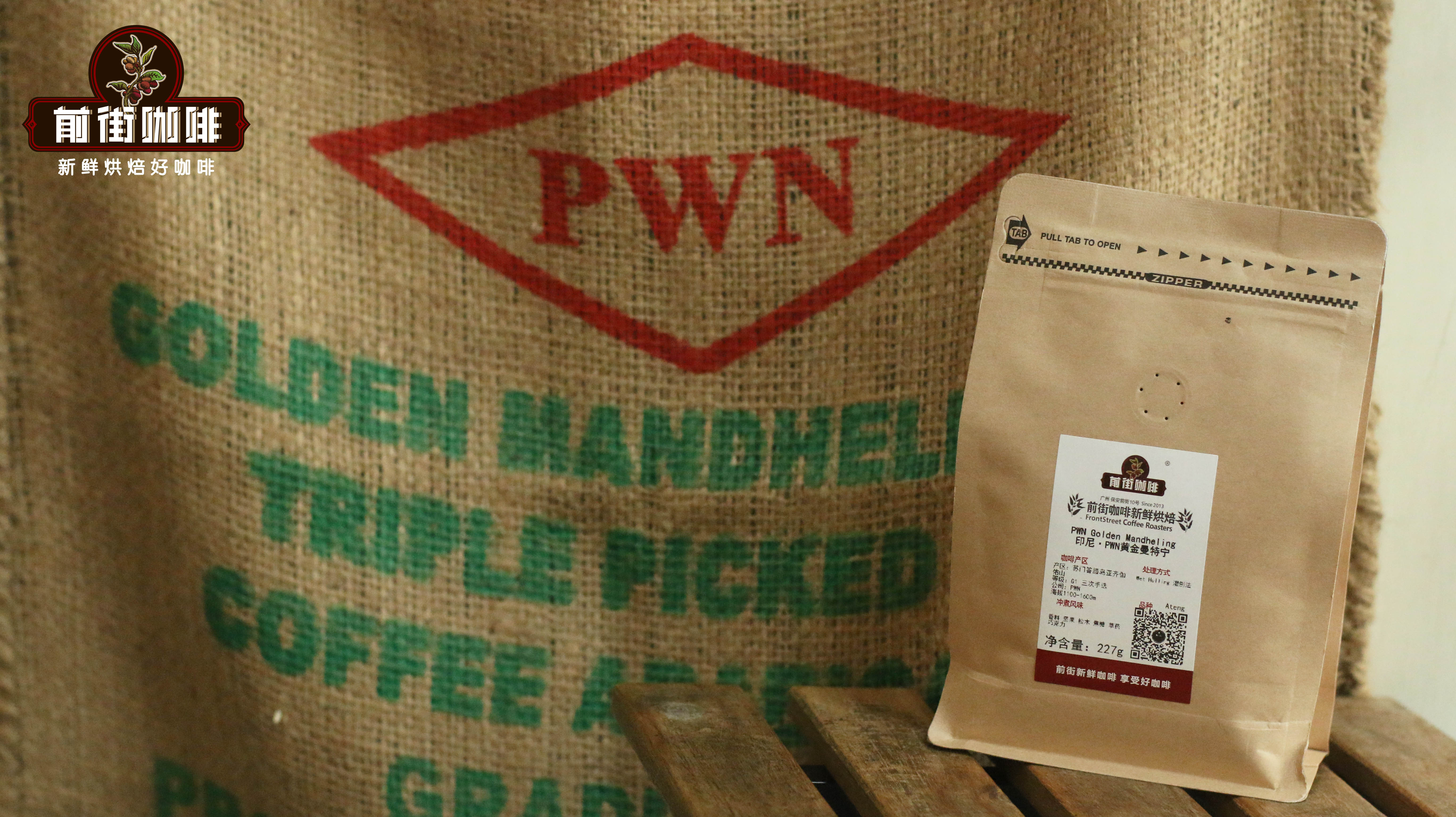
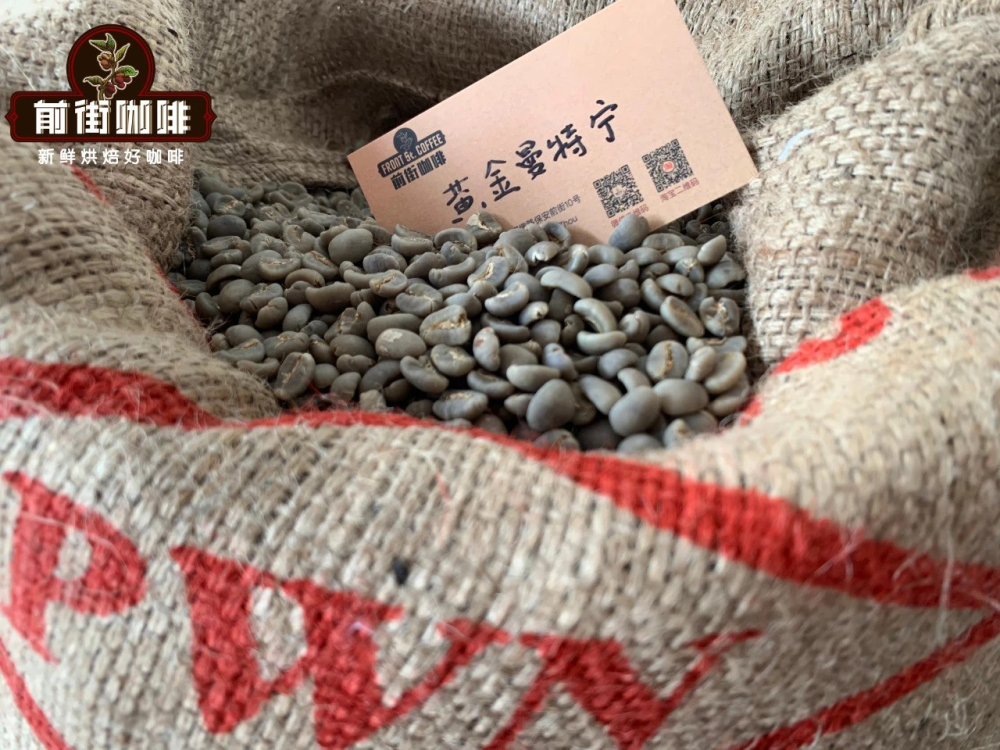
 Golden Mandheling mainly comes from the Gayo Highlands and Lake Tawar regions of Sumatra, Indonesia. The G1 grade beans produced in these areas are the top-tier quality among Indonesian green beans. The definition of G1 grade is: green beans must be 18 mesh or larger, and in a 300-gram sample, there must be no more than 3 defective beans. These coffee beans are rigorously selected by the well-known Indonesian company PWN and processed using the wet-hulled method. Because the wet-hulled method removes the parchment layer while the beans are not fully dry, exposing them directly to air and making them susceptible to microbial influence, it fosters intense woody, spicy, and herbal notes — the source of Indonesian coffee’s most enchanting "regional character."
Since the wet-hulled method is performed while the beans are still semi-dry, greater pressure is applied during the process, making the beans prone to deformation or even breakage, resulting in a relatively higher defect rate. To ensure quality, PWN conducts multiple rounds of manual sorting to select beans of consistent appearance and size, ensuring that the final brewed coffee has a cleaner taste, with more pronounced body and sweetness.
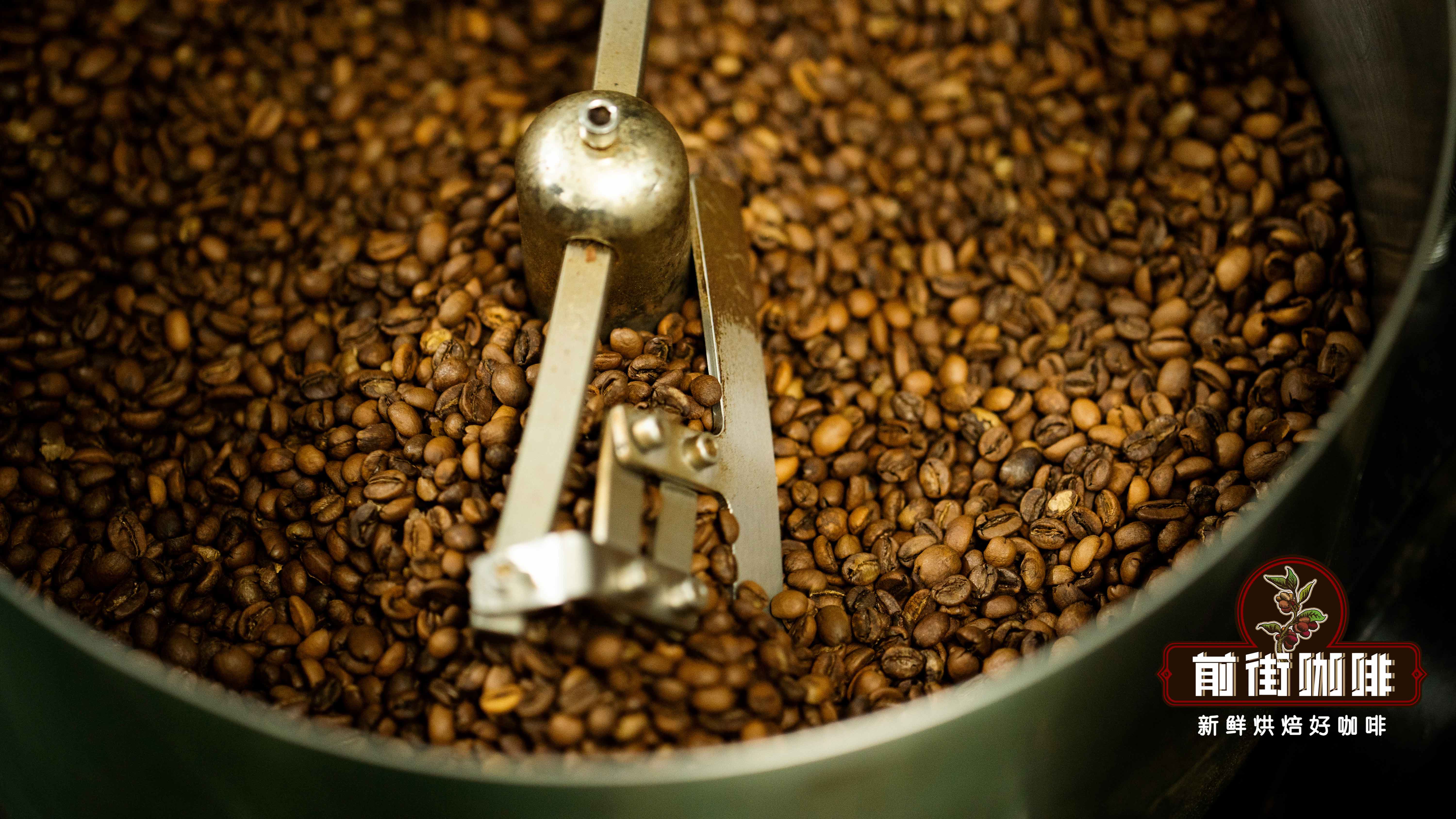
In terms of roast level, Golden Mandheling is usually medium to dark roasted, which helps bring out the aroma of dark chocolate and caramel, while also enhancing the overall richness. However, when brewing dark-roasted beans, special attention should be paid to the combination of water temperature and grind size to avoid extracting excessive bitter compounds.
Regarding the powder-to-water ratio, it is recommended to use the golden ratio of 1:15, which suits most taste preferences, showcasing the coffee’s intensity without losing its layers. If you prefer a stronger flavor, you can go with 1:13; if you like a lighter profile, try 1:17. However, 1:15 is the balanced point acceptable to most coffee lovers.
As for grind size, since Golden Mandheling is a dark roast, its internal structure is relatively loose and absorbs water quickly, so a medium-coarse grind is recommended — roughly equivalent to 70% extraction through a Chinese standard No. 20 sieve, or about setting 11 on a home grinder (referencing EK43s). This grind size helps control extraction time and avoids over-releasing bitterness.
For water temperature, it is suggested to use 87–88°C. This range reduces the risk of over-extraction, especially suitable for dark-roasted beans. Compared to the 91–93°C commonly used for light roasts, the slightly lower temperature helps balance the flavors, making the caramel and spicy notes more prominent without being masked by off-flavors.
The choice of filter also affects extraction flavor. It is recommended to use a KONO filter, whose unique smooth curve and shorter drainage ribs design allow the water flow to concentrate and exit from the bottom, extending the contact time between coffee grounds and water, creating an immersion-like effect, and thus bringing out a rounder, fuller body. Compared to V60, KONO is better suited for highlighting the body and sweetness emphasized in Mandheling-type coffees.
Finally, let’s look at the specifics of the three-stage pouring technique: First, wet the filter and preheat the server with hot water, then discard the preheating water. Add 15 grams of ground coffee. The first stage is a 30-second bloom with 30 grams of water, helping the coffee release gases and prepare for subsequent extraction. Note that blooming time should not be too long for dark roasts to avoid releasing too much woody or off-flavor.
Next, the second stage involves pouring with a steady small stream, starting from the center and spiraling outward, until the total water volume reaches 125 grams, then perform the first pour break. Wait for the coffee bed to settle, then continue pouring with the same method until reaching 225 grams. Finally, let the coffee drip through completely, keeping the total extraction time around 2 minutes, with a margin of error not exceeding 10 seconds. Gently swirl the coffee in the server before enjoying this richly flavored, sweet-aftertaste Golden Mandheling pour over.
The brewed Golden Mandheling offers a rich entrance of spices and dark chocolate, with distinct layers, a long-lasting aftertaste, and notable sweetness — a classic representation of Indonesian coffee flavor. Master these key parameters and techniques, and you too can easily brew professional-grade Mandheling coffee at home.
The above content is compiled by CoffeeHunters, a coffee news website.


