







Introduction:An in-depth analysis of the regional characteristics, processing methods, and unique flavor profile of Ethiopia Yirgacheffe Sidamo Hua Kui 8.0 Natural Coffee Beans—from its TOH competition-winning background to home brewing practical tips. This article provides a comprehensive overview of the origins of the Hua Kui series, explaining how natural processing shapes its intense fruity aroma and rich sweetness, and offers expert brewing parameters for pour over, cold brew, and espresso, ensuring inspiration for both beginners and advanced enthusiasts.
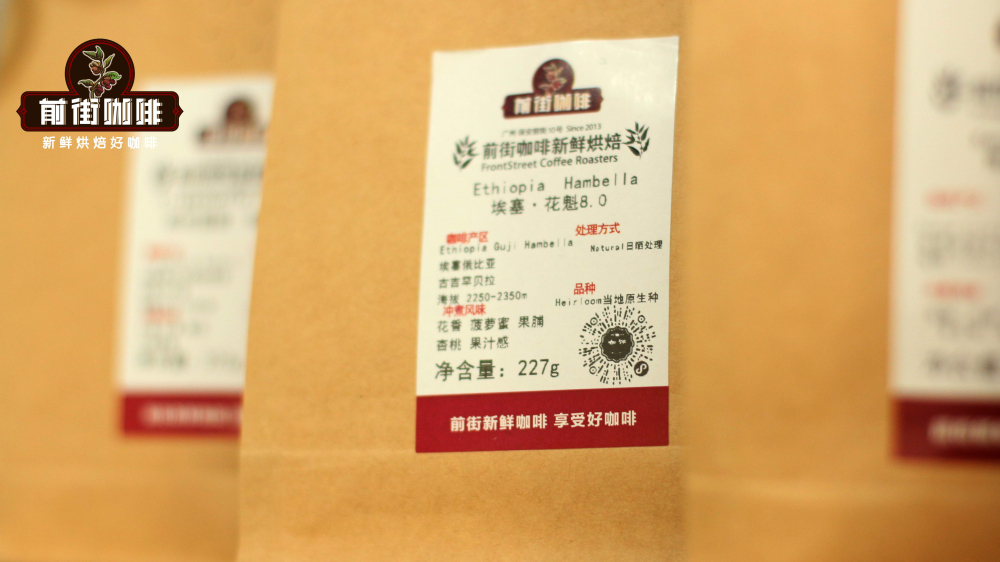
When it comes to Ethiopia’s Sidamo region, many coffee lovers immediately think of rich berry notes and juicy mouthfeel, and Hua Kui 8.0 is a classic representation of that flavor. This natural-processed bean from the Guji-Hambela area of Sidamo not only inherits the complex flavor layers brought by the high altitude of the region, but also gains a sweet and rich character due to its special processing method. This article will explore the region’s geography and the natural processing technique, detailing how the Hua Kui series evolved from a competition bean to a market favorite, and analyzing the true flavor characteristics of its “Hua Kui taste,” while providing practical extraction suggestions for pour over, cold brew, and SOE espresso suitable for enthusiasts of different brewing methods.
Many customers walking into a café hesitate when faced with a diverse menu of Ethiopian beans: should they choose the bright acidity of Yirgacheffe or the bold, fruit-forward flavors of Sidamo? In fact, understanding the processing characteristics and flavor tendencies of each region can help you quickly pinpoint your ideal coffee experience. Sidamo coffee is known for its rich fruitiness and full-bodied taste, and natural processing especially highlights its unique berry, tropical fruit, and honey-like sweetness, making it a “juicy-style” favorite among many coffee aficionados.
The so-called “natural flavor” may sound abstract, but it is one of the most recognizable profiles in the coffee flavor spectrum. Some drinkers describe it as fragrant and captivating, while others new to it may find it unfamiliar or even off-putting. In reality, natural flavors come from the process where the coffee fruit, along with its pulp and mucilage, is dried in the sun after harvest. Compared to washed processing, natural drying allows the coffee beans to fully absorb the natural sugars in the mucilage, not only enhancing sweetness but also bringing subtle fermentation complexity and a rich winey depth.
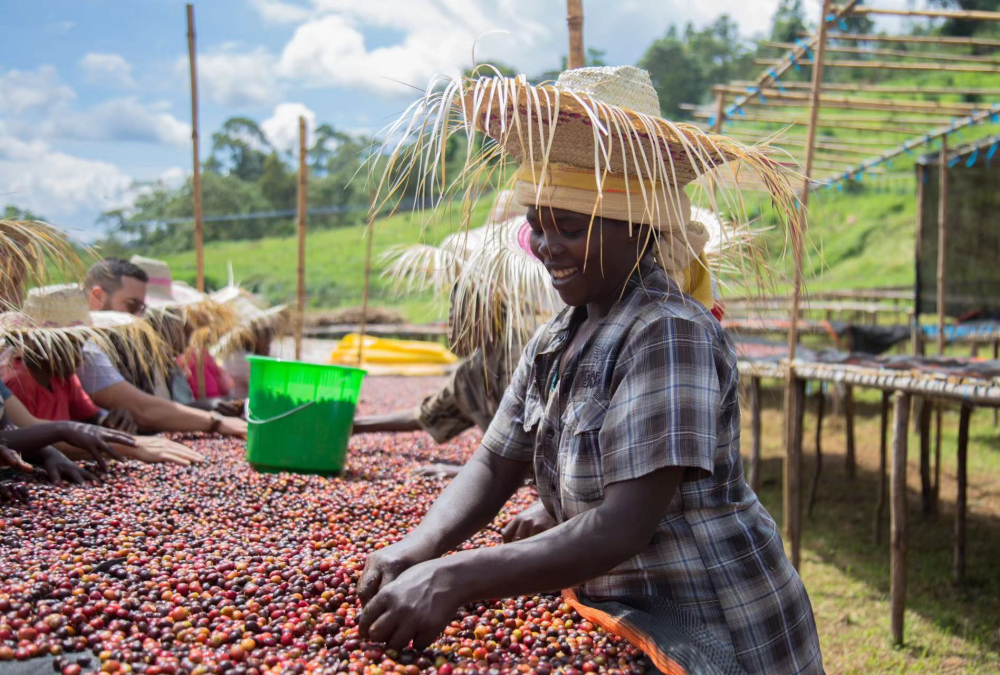
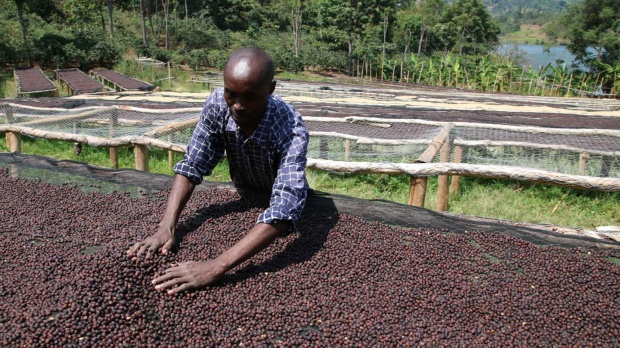
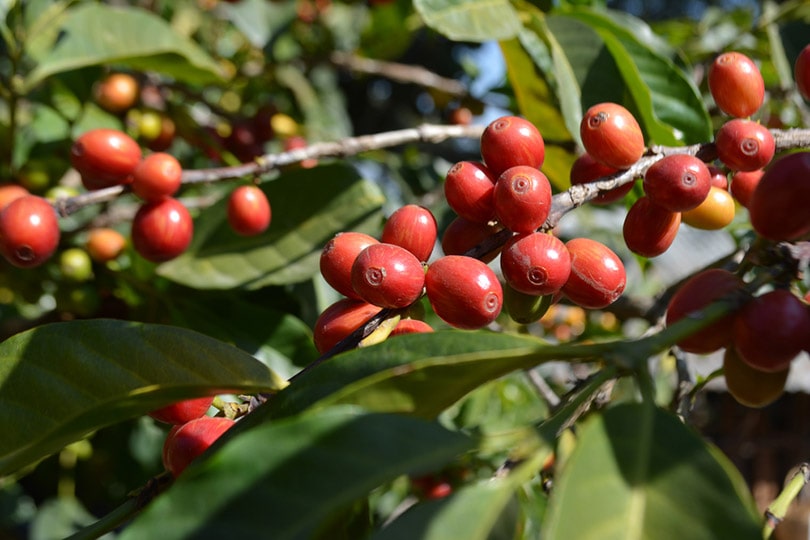
Natural processing in the Sidamo region emphasizes patience and detail. Every harvest season, local farmers pick only fully ripe red coffee cherries. After an initial screening to remove underripe or overripe beans, the coffee fruits are evenly spread on raised wooden frames or tarpaulins to avoid contact with ground moisture and odors. During the drying process, constant turning is required to ensure even heat distribution and dehydration, with manual removal of defective beans every three to five days. Once the outer skin is completely dry and hardened, it is removed using a hulling machine, followed by a final meticulous screening of green beans to ensure stable quality and consistent flavor in the final cup.
Sidamo is not only an important coffee-producing region in Ethiopia but also one of the renowned origins of specialty coffee, encompassing diverse microclimates from highlands to lower slopes, with altitudes generally ranging between 1400 and 2000 meters, and some premium areas exceeding 2250 meters. Local agriculture is dominated by smallholder farming, with growing environments influenced by the East African Rift Valley’s geology and varied soils, resulting in unique coffee flavors across regions. Through natural processing, Sidamo coffee often exhibits intense berry acidity, rich juiciness, and silky body, making it widely loved in global markets.
Speaking of Hua Kui 8.0, we must mention its competition pedigree. In 2017, Ethiopia DW Coffee Company submitted a natural-processed coffee bean from the Buku Abel washing station in Hambela, Sidamo, to the TOH (Ethiopia National Taste of Harvest Competition). With its intense berry aroma and creamy texture, it won the Natural Category Championship that year. These champion beans were later introduced to China by a Chinese green bean trader and named “Hua Kui,” meaning “the finest flower,” symbolizing outstanding taste. It subsequently gained rapid recognition in Chinese coffee brewing competitions by outperforming several Geisha beans. Today, the Hua Kui series is widely regarded as a high-value, premium Ethiopian coffee representative.
The Hua Kui series is distinguished by production year, such as the original version in 2017, Hua Kui 2.0 in 2018, 3.0 and 3.1 in 2019, and so on, with the latest release being Hua Kui 8.0 in 2024. Although the name carries an Eastern poetic charm, its flavor profile is highlighted by intense tropical fruit aromas—such as cream strawberry, mango, jackfruit, citrus, and blueberry—rather than a purely floral focus. These characteristics are the essence of Sidamo’s natural processing method and were key to Hua Kui’s standout performance in the TOH competition.
Many coffee enthusiasts, after tasting uniquely flavored natural beans, often want to further challenge themselves with SOE (Single Origin Espresso) extraction, hoping to replicate café-level flavor experiences at home. Hua Kui 8.0, with its rich fruitiness and sweet body, has become a popular choice for many home espresso machine users. However, SOE extraction is highly sensitive to roast level and brewing parameters; improper bean selection or inaccurate settings can easily lead to over-extraction bitterness or under-extraction sourness.
To meet different brewing needs, Hua Kui 8.0 is typically offered in two roast profiles: a medium-light roast suitable for pour over, cold brew, and other filter methods, which highlights clear fruit acidity and delicate layers; and a medium roast designed specifically for espresso machines and moka pots, enhancing sweetness and body, ideal for making SOE espresso, lattes, or americanos. Taking the commercial Lelit Bianca espresso machine as an example, it is recommended to use 20 grams of coffee grounds, extract 40 grams of liquid, with a 1:2 brew ratio, grind setting approximately at Galileo 2.0, and extraction time controlled between 26–32 seconds, to consistently present Hua Kui 8.0’s rich fruitiness and full body.
In practice, before extraction, ensure the portafilter basket is thoroughly dried. After grinding the coffee, measure precisely 20 grams using an electronic scale, then evenly distribute and tamp the grounds vertically with a distribution tool and tamper to ensure a compact puck. Pre-wet the brew head for 1–2 seconds to rinse and remove any residue, then place the espresso cup under the spout and reset the scale. Lock the portafilter into the brew head and start extraction, monitoring the liquid weight and time. Stop the extraction when you reach 40 grams of coffee liquid within the 26–32 second range. Note that daily variations in humidity and bean condition may require slight adjustments to grind size and dose.
For the finished Hua Kui SOE espresso, it is recommended to cleanse your palate with water to better appreciate the tropical fruit acidity and subtle floral notes beneath its dense crema. For a refreshing option, mix with 160 grams of cold or warm water at a 1:4 ratio to make an SOE americano; if you prefer a milk-forward coffee, combine with 240 grams of steamed milk at a 1:6 ratio to create an SOE latte with flavors reminiscent of cream strawberry cookies, enjoying multi-layered taste experiences.
The above content is compiled by CoffeeHunters, a coffee news website.


