








Introduction:Americano may seem simple, but it is actually the best way to reveal the essence of coffee beans and the skill of extraction. This article delves into the principles behind making an Americano, including the golden ratio of espresso to water, the differences between hot and cold versions, and explores common causes of bitterness—such as roast level and extraction mistakes. We also carefully select four espresso blends suited to different taste preferences, ranging from low-acid and smooth to rich and bold, helping you find your perfect Americano flavor.
Many people think an Americano is just espresso with water added, but this combination actually best showcases the intrinsic characteristics of the coffee beans and the art of extraction. To brew a balanced, non-bitter Americano at home, you need to start by understanding its basic composition and the key factors that influence its flavor.
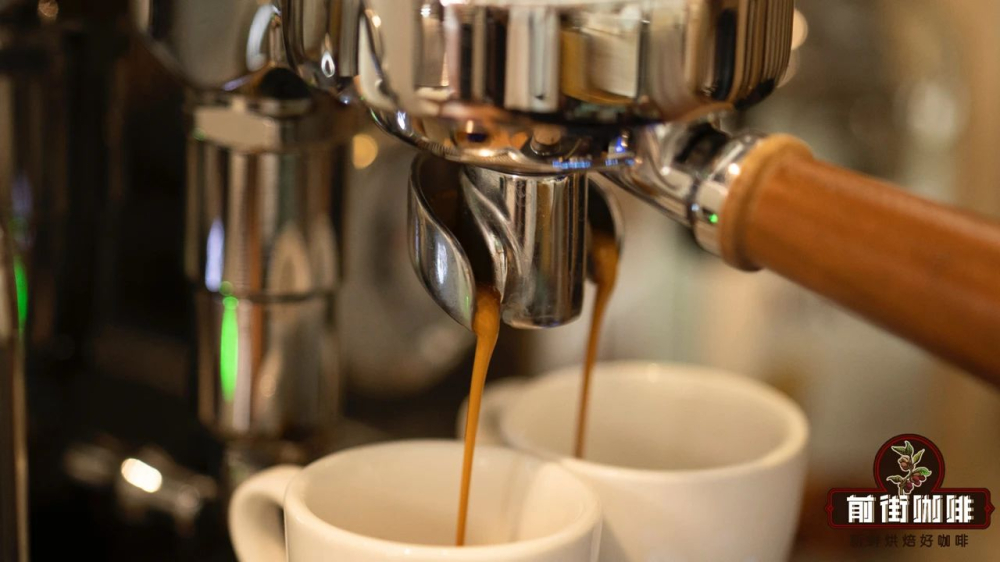
So-called espresso extraction involves pushing hot water through tightly packed coffee grounds under high pressure using an espresso machine, extracting a concentrated coffee liquid. This method typically achieves a 1:2 coffee-to-water ratio, resulting in a strong and intense shot. Diluting this concentrated shot with water in varying proportions creates the common Americano; adding milk or milk foam transforms it into classic milk-based coffees like lattes or cappuccinos.

Both Americano and pour over are types of black coffee, but their biggest difference lies in the brewing method: Americano is made by directly adding water to espresso, while pour over uses a filter dripper and paper to slowly drip the essence of coffee grounds, requiring neither high-pressure equipment nor additional dilution.
Next, we’ll detail how to make the perfect Americano, break down common causes of bitterness, and finally recommend several espresso blends suited for different scenarios, helping you easily brew professional-grade Americano at home.
How do you make an Americano? The ingredients are simple: just espresso and water, plus ice if you’re making an iced version. But because the steps seem so straightforward, technique and proportion become even more critical—it’s often seen as a benchmark for a barista’s extraction skills.
When making a hot Americano, it’s recommended to preheat the cup with hot water first, then pour in an appropriate amount of hot water, and finally add the freshly extracted espresso. The generally recommended coffee-to-water ratio is 1:4 to 1:6. For a more balanced taste without losing intensity, you can choose a 1:5 ratio—that’s 40 grams of espresso with 200 grams of hot water.
As for iced Americano, the process is similar, but you should first add enough ice to chill the cup, then pour in the water, and finally add the espresso. Since melting ice will dilute the coffee, the coffee-to-water ratio is usually increased to 1:7—that’s 40 grams of espresso with 280 grams of ice-water mixture (including about 180 grams of ice and 100 grams of water)—to ensure the final flavor isn’t too weak.
Many people often find Americano “too bitter,” but is this really unavoidable? In fact, coffee itself has multiple flavor dimensions—acidic, sweet, bitter, and salty—and how prominent the bitterness is depends on the bean variety, roast level, and brewing method.
First, bitterness may come from the inherent flavor profile of the coffee beans. Take medium-to-dark roasted espresso blends, for example—these beans are usually sourced from regions like Brazil and Indonesia, roasted to a darker level, and carry notes of dark chocolate, caramel, and even spices. They have a rich, full-bodied taste with plenty of crema but lower acidity, which can easily result in noticeable bitterness.
For instance, one classic espresso blend combines the nutty profile of Brazilian beans with the spicy and caramel aromas of Indonesian Mandheling, plus a small amount of Robusta to enhance the crema performance of the espresso. The overall flavor is bold and full, ideal for those who prefer a strong taste. But if you’re not used to this kind of profile, you can opt for a lighter-roasted blend with more pronounced acidity and sweetness, naturally reducing the bitterness.
Another common source of bitterness is extraction mistakes. Issues like grinding too fine, using water that’s too hot, or extracting for too long can all lead to over-extraction, causing excessive release of bitter and astringent compounds. Channeling is another major culprit—this occurs when water flows unevenly, over-extracting some areas while under-extracting others, leading to an imbalanced overall flavor.
Professional baristas often fine-tune extraction parameters daily based on the beans’ condition. For example, adjusting the usual setting of 20 grams of coffee yielding 40 grams of espresso to 20 grams yielding 35 grams, and controlling the extraction time to around 25 seconds. By reducing extraction in the tail end, they lower overall bitterness, resulting in a smoother and more balanced taste.

To brew a delicious Americano, choosing the right espresso blend is crucial. Below are several popular and well-reviewed blends on the market, each with its own unique flavor profile, suitable for different taste preferences and usage scenarios.
First up is the “Premium Espresso Blend.” This blend, made from Colombian and Brazilian beans, is a long-time favorite among many coffee shops. The washed Colombian beans bring soft fruity acidity, dark cocoa, and caramel notes, while the Brazilian beans provide nuttiness and a rich roasted aroma. Together, they create a bold yet balanced flavor, suitable for both black coffee and milk-based drinks. Whether you prefer a strong or mellow taste, this blend has you covered.
If you prefer a low-acid, smooth flavor, try the “Dark Cocoa Espresso Blend.” This high-value blend consists of 70% Brazilian beans and 30% Yunnan beans, both dominated by nutty profiles. The Brazilian beans add a solid body and rich crema texture. It’s ideal for users on a budget who still want consistent performance, especially as a daily espresso base.
Finally, there’s the “Commercial Espresso Blend,” designed for commercial use. This blend is based on Colombian and Brazilian beans, with a small addition of Robusta. The inclusion of Robusta significantly enhances crema performance and overall body, with almost no noticeable acidity, making the Americano richer and easier to pour latte art with. Though not 100% Arabica, for cafés, it’s a choice that balances flavor and practicality.

The above content is compiled by CoffeeHunters, a coffee news website.


