








Introduction:The acidity in Americano coffee often puzzles people, but it’s actually closely related to roast level and brewing methods. This article delves into the sources of acidity and brewing principles, and introduces several stable-tasting espresso blends dominated by nutty and chocolatey notes—helping readers choose non-acidic beans suitable for daily consumption and enhancing home or office brewing experiences.
Americano coffee has become part of many people’s daily lives, especially in summer when an iced Americano can quickly refresh and invigorate. However, as an agricultural product, coffee naturally varies in flavor, and when faced with a noticeably acidic cup, many wonder: is this normal? In fact, coffee beans are rich in various acidic compounds, which gradually transform or diminish as the roast level deepens.
In the past, many consumers preferred coffee with intense bitterness and bold flavors, but recent market trends have gradually shifted toward brighter, fruitier acidity—even single-origin espresso (SOE) Americanos with distinctive regional profiles are becoming increasingly popular. Understanding the science behind acidity helps you better pinpoint your preferred coffee style.

Generally, Americano coffee leaves a first impression of “bitterness,” so when acidity stands out more, it can easily raise doubts. But in reality, acidity is a natural component of coffee, especially prominent in light to medium roasts. As roast time and temperature increase, acidic compounds degrade, giving way to sweetness and bitterness from caramelization. Interestingly, even dark-roasted beans may retain subtle acidic notes, depending on the bean variety and roast profile.
During coffee extraction, the three main flavor components—acidity, sweetness, and bitterness—dissolve at different rates. Typically, acidity is extracted first, followed by sweetness, and finally bitterness. If a coffee tastes overly acidic, it’s likely due to under-extraction, where sweetness and bitterness haven’t fully developed—a phenomenon often called “under-extracted.” Conversely, if the coffee is too bitter or astringent, it may be over-extracted, releasing excessive bitter compounds.
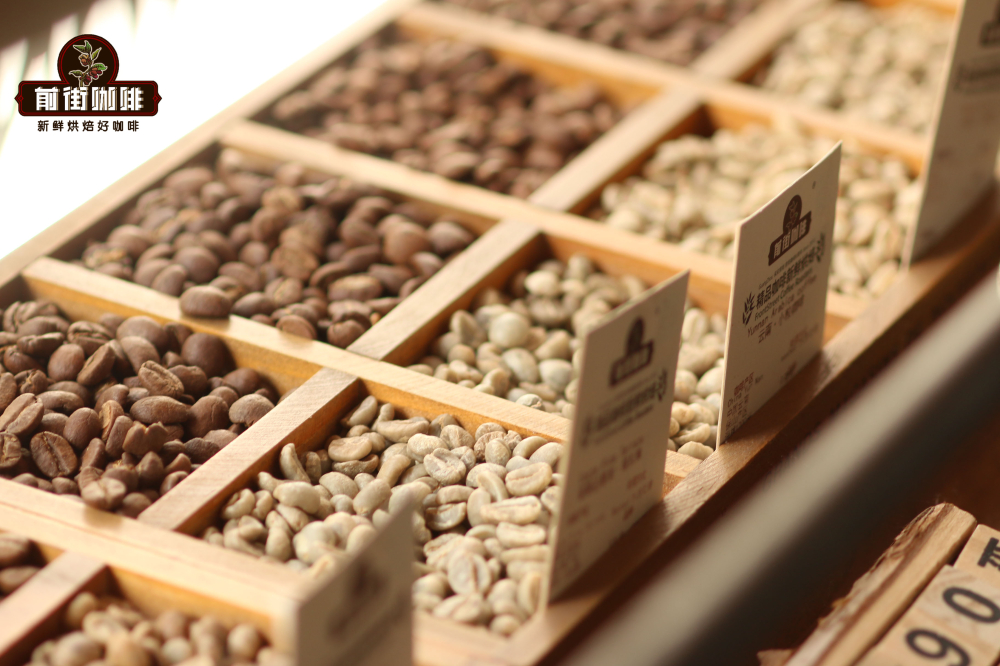
SOE Americanos have distinct acidity because they use single-origin beans as the espresso base, highlighting the unique flavor characteristics of that particular variety. For example, Ethiopian Yirgacheffe SOEs often feature pronounced citrus or lemony acidity, while beans like Brazilian, Blue Mountain, or Mandheling—with more subdued or mellow profiles—are less commonly used for SOEs since their traits don’t stand out as prominently from traditional blends.
If you prefer a smoother Americano without pronounced acidity, opt for medium to dark roast espresso blends. These beans typically offer a more balanced flavor profile and richer body. Meanwhile, choosing freshly roasted, well-stored coffee beans is crucial to ensuring optimal flavor performance.
Below are several highly rated espresso blends with nutty and chocolatey flavor profiles, ideal for everyday Americano brewing—delivering consistent results and diverse taste experiences:
1. Classic Espresso Blend
This blend combines Brazilian Red Bourbon, Indonesian Mandheling, and Vietnamese Robusta, delivering rich caramel, dark chocolate, and malt aromas, along with soft roasted nuts and cookie notes. The spicy undertones of the Indonesian beans complement the body of the Brazilian beans, while the Robusta adds a thick crema, making it perfect for milk-based drinks like lattes and producing clear latte art.
2. Dark Cocoa Espresso Blend
Made from washed Yunnan small-bean variety and Brazilian semi-washed beans, this blend offers a mild, cost-effective option suitable for frequent drinkers or beginners. Its flavor highlights gentle fruity acidity, caramel sweetness, and a delicate nutty finish—ideal for making espresso at home with devices like a moka pot, and a top choice for those seeking “great value and stability.”
3. Premium Espresso Blend
Blending Colombian washed beans with Brazilian semi-washed ones, this blend showcases distinct nutty, dark chocolate, and caramel notes, making it suitable for daily use in homes and small cafes, with good flavor consistency and a balanced acidity-sweetness ratio.
4. Commercial Espresso Blend
Based on Robusta, Colombian, and Brazilian beans, this blend features nutty, cocoa, and caramel notes, offering stable flavor and an affordable price—perfect for commercial use or high-volume brewing, ensuring consistent quality across different brewing conditions.
The above content is compiled by CoffeeHunters, a coffee news website.


