







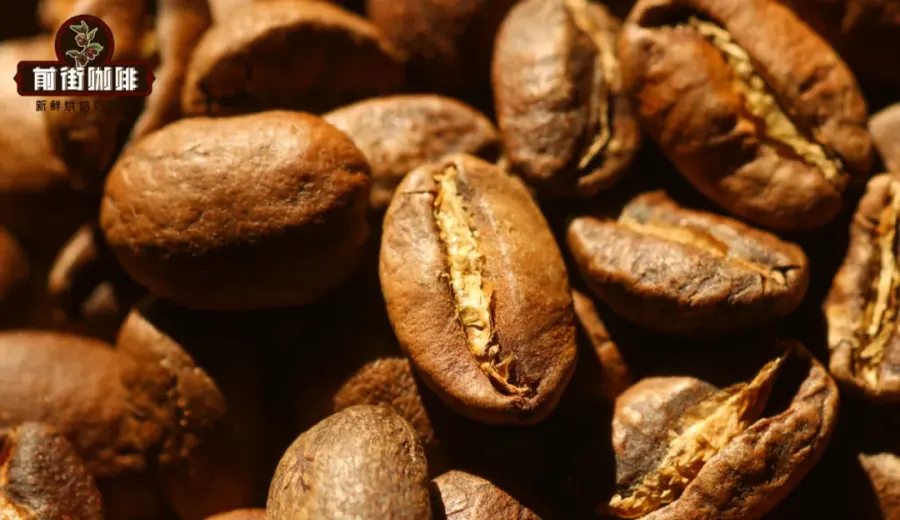
Introduction:Roast level is one of the key factors influencing coffee flavor — from bright, sweet, and acidic to rich and mellow, each roast level offers a unique profile. This article delves into how roasting reactions shape the balance of acidity and bitterness in coffee, and highlights three highly-rated medium-dark roast pour over beans on the market. We’ll explain everything from origin characteristics to flavor profiles to help you find the one that suits your taste.
During the roasting process, coffee beans undergo two key chemical reactions: the Maillard reaction and caramelization. These reactions not only change the color of the beans but also directly affect the final flavor presentation. Research shows that the inherent qualities of green beans account for about 60% of coffee flavor, the roasting process contributes 30%, and the extraction phase only makes up 10%, highlighting the importance of roasting. Among these, the duration of roasting significantly alters the ratio of acidity to bitterness: the longer the roast, the more acidity tends to break down while bitterness accumulates, resulting in the bold, low-acid character of dark roasts.
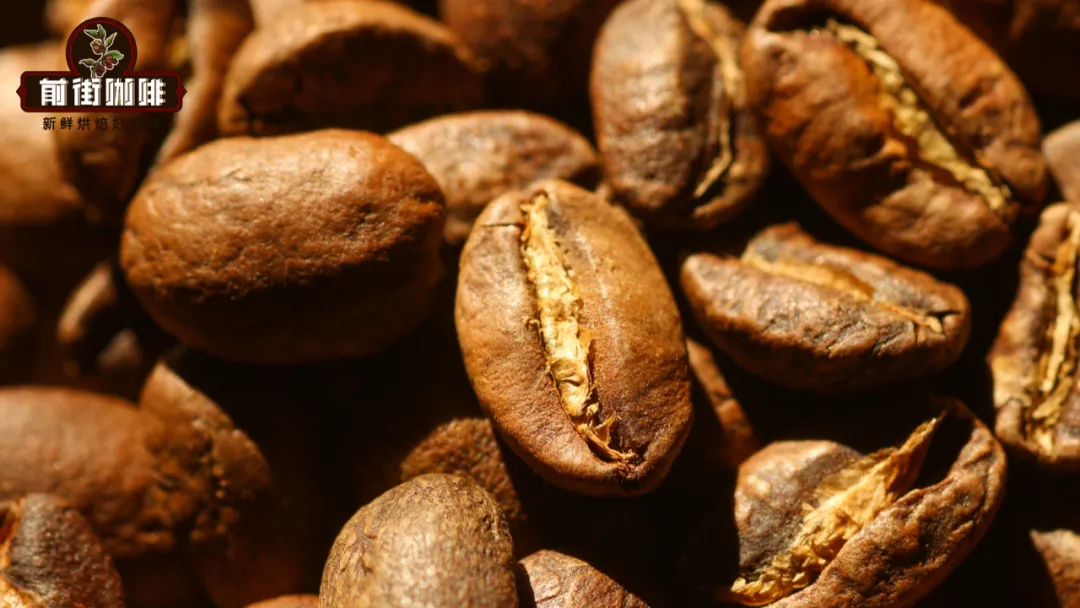
Generally speaking, coffee roast levels can be divided into three main categories: light, medium, and dark. Light roasts typically retain more floral, fruity notes and bright acidity, while dark roasts emphasize intense smokiness and a heavy body. Medium-dark roast, as the balance point between the two, can showcase a certain level of complexity while maintaining a solid richness, making it a favorite among many pour over enthusiasts. This article will explore, from a scientific perspective, how roasting affects the balance of sweet, sour, and bitter flavors in coffee, and recommend three outstanding medium-dark roast pour over beans to help you better understand the charm of this classic roast range.
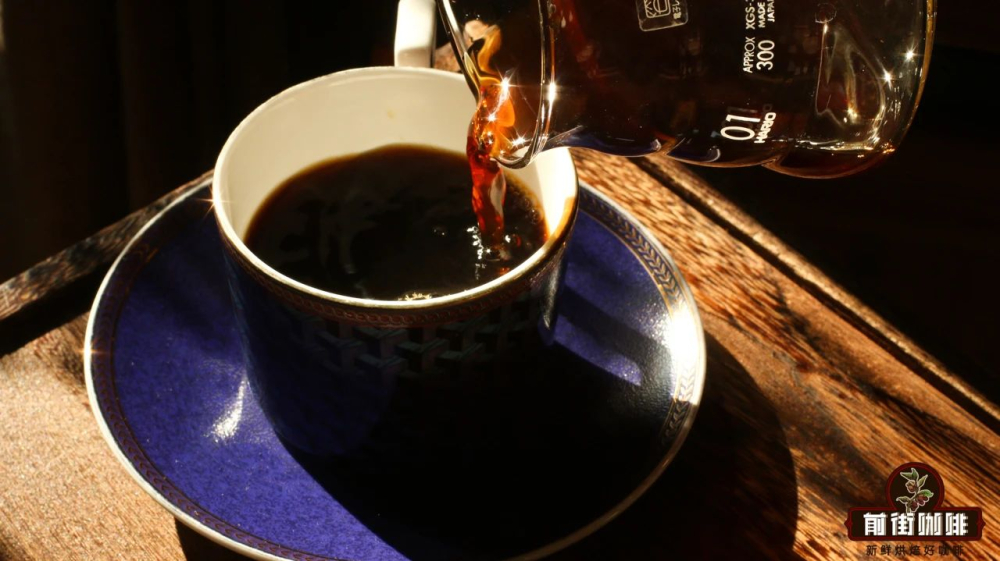
In the Maillard reaction, sugars and amino acids interact under high heat to produce hundreds of flavor compounds, which give coffee its unique aroma and color. Caramelization, on the other hand, involves the dehydration, breakdown, and browning of sugars themselves, further deepening the color and releasing sweet and mildly acidic substances. Together, these two reactions determine the three major flavor axes of coffee: acidity, sweetness, and bitterness. Typically,the longer the total roasting time, the more acidity volatilizes, and bitter components gradually dominate, which is why dark roasts often exhibit a heavier body and lower acidity.
Commercially available coffee roast levels can generally be divided into three types: light roast, medium roast, and dark roast. Light roast preserves more origin-specific flavor characteristics such as citrus, berries, or floral notes, and has gained widespread popularity in the specialty coffee scene in recent years; dark roast, on the other hand, is known for its rich caramel, chocolate, and smoky aromas, suiting those who prefer a bold mouthfeel. Medium-dark roast sits between the two, often showcasing a variety of nutty, caramel, and subtle spice notes, making it ideal for coffee lovers seeking balance and complexity.
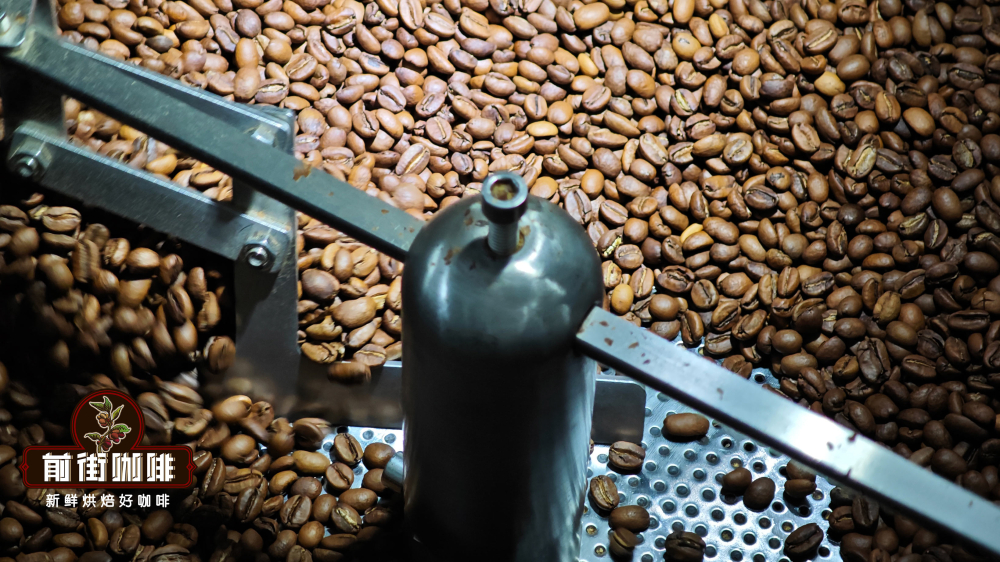
Next, we’ll introduce three medium-dark roast pour over beans that have received strong market acclaim and deliver outstanding flavor profiles. Each has its own unique traits, allowing you to experience the diverse appeal of medium-dark roasts.
Dark Roast Bean #1: A Well-Known Brand’s PWN Golden Mandheling: This classic bean variety from Indonesia, presented as a dark roast, features a base flavor of spices and herbs. After undergoing three rounds of mechanical screening and manual selection, virtually no defective beans remain, resulting in a cleaner cup with a smooth mouthfeel and distinct aftertaste. The dark roast process fully brings out the signature bold character of Mandheling; switching to a lighter roast would fail to reveal its full depth of flavor.
Dark Roast Bean #2: A Well-Known Brand’s Queen’s Estate (Brazil): Grown in the high-altitude regions of Brazil, the world’s largest coffee-producing country, this bean is of the relatively rare Yellow Bourbon variety. Brazilian coffee is known for its moderate acidity and balanced sweetness and bitterness, and Queen’s Estate takes this further by exhibiting enticing aromas of creamy chocolate, dark cocoa, and almond. It’s perfect for those who enjoy a medium-dark roast with a gentle, sweet profile.
Dark Roast Bean #3: A Well-Known Brand’s Jamaican Blue Mountain No. 1: Although the Blue Mountain series is commonly medium-light roasted, this version is medium-dark roasted. In addition to traditional roasty aromas, it gives off a uniquely delicate and elegant fragrance, with a soft and layered flavor. Compared to the intensity of other dark roasts, Blue Mountain No. 1 showcases the refined characteristics typical of high-altitude beans, making it an excellent choice for beginners wanting to explore the nuances of dark roasts.
The above content is compiled by CoffeeHunters, a coffee news website.


