







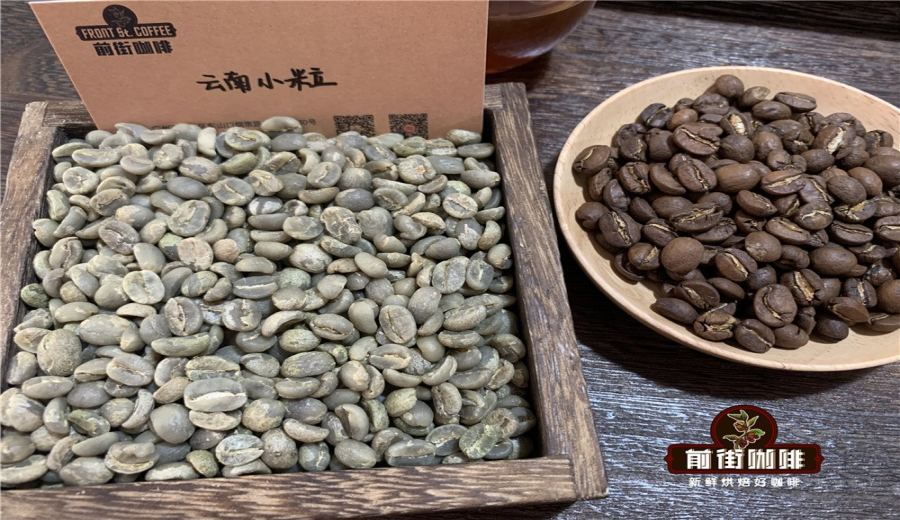
Introduction:Want to delve deeper into China’s domestic coffee scene? This article takes you through the origins of varieties, historical development, and major growing regions for a comprehensive overview of Yunnan’s small-grain coffee. From the classic Typica to the disease-resistant Catimor, and from Baoshan and Pu’er to Lincang, we not only introduce the unique flavor profiles of each variety but also provide practical brewing parameters to help you find the Yunnan coffee beans that suit your taste.
As the core coffee-producing region in China, Yunnan has an annual coffee output of approximately 26,000 metric tons, accounting for nearly 90% of the country’s total. Located south of the Tropic of Cancer, it enjoys a subtropical mountain climate with fertile highland soil and moderate temperatures—ideal conditions for cultivating small-grain coffee. Its geographical and climatic conditions are similar to those of Colombia, featuring significant day-night temperature variations that help coffee beans accumulate flavor compounds, resulting in a rich and layered cup profile.
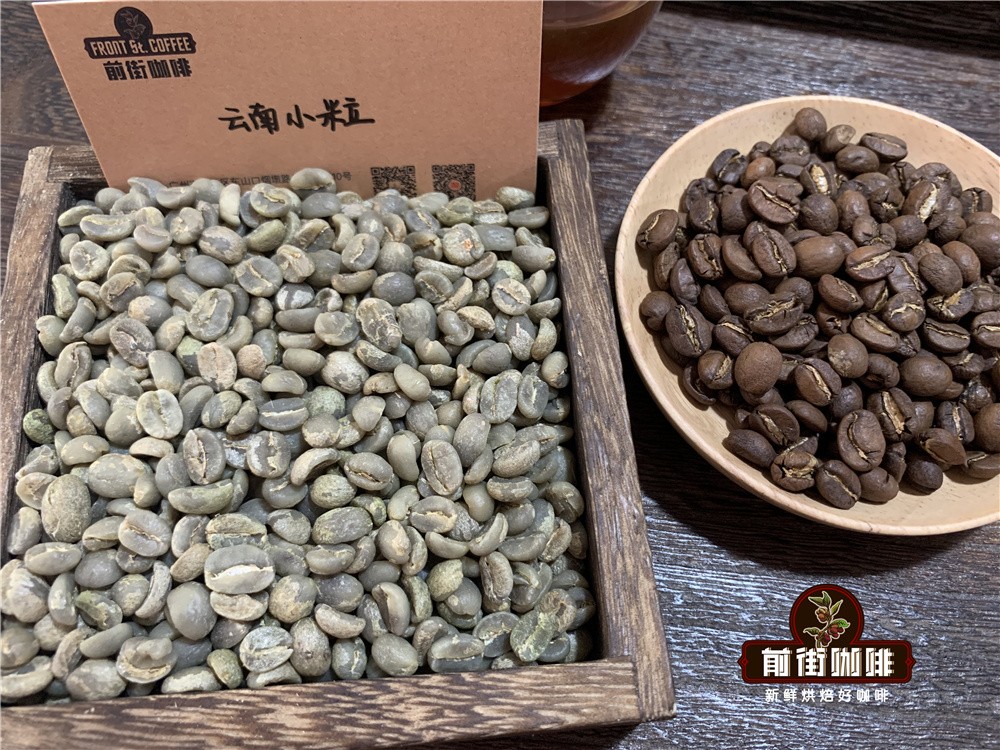 The story of Yunnan’s small-grain coffee dates back to 1904. At that time, a French missionary named Timothée Pernot introduced the Typica variety to Zhugula Village in Binchuan County, Yunnan Province, from Vietnam. The successful trial planting is regarded as the starting point of coffee cultivation in Yunnan. So-called small-grain coffee refers to Arabica beans, which are relatively small in size and are also known as “small fruit” coffee, distinguishing them from the larger-bodied Robusta and Liberica. What is planted in Yunnan is precisely this type of Arabica variety, hence the common name “Yunnan small-grain coffee.”
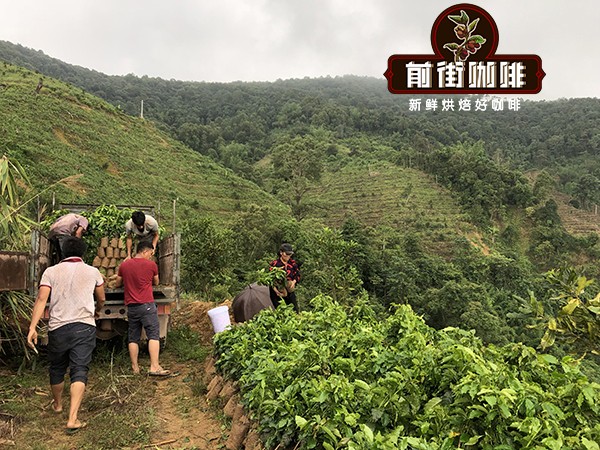
Among the many producing regions, Baoshan, Pu’er, Dehong, and Lincang are the main coffee-growing bases in Yunnan. Each region, due to differences in altitude, climate, and soil conditions, produces coffee beans with distinct flavor characteristics.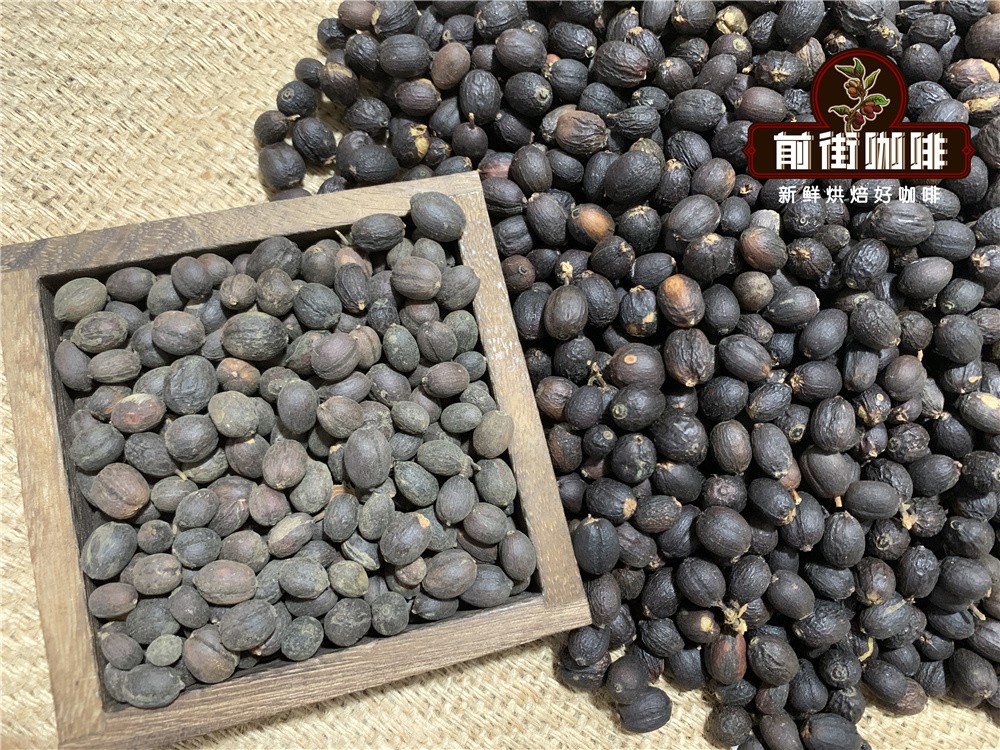
When discussing Yunnan coffee varieties, one cannot overlook their historical evolution. In the mid-20th century, a severe outbreak of coffee leaf rust in Central and South America led to a significant decline in yields of many traditional varieties. To address this issue, Portugal’s CIFC research center successfully hybridized the Timor variety—which carries Robusta genes—with Caturra in 1959, creating the Catimor variety, which is highly resistant to disease and boasts high yields. This variety was later widely introduced to multiple coffee-growing regions, including Yunnan, becoming an important choice for disease resistance and stable production.
The traditional Typica, on the other hand, is one of the oldest varieties of Arabica, originating from Ethiopia and southeastern Sudan. Typica trees are tall, with branches forming a cone angle of about 60 degrees. Their leaves often have a deep bronze hue, while the top leaves appear reddish-copper, earning it the nickname “red-topped coffee.” Although its yield per plant is relatively low, it excels in cup quality, often showcasing a rich and varied range of fruity notes with a high degree of flavor purity. The 2013 Natural Typica coffee released by the industry demonstrates layers of berry, brown sugar, nuts, and a gentle black tea note.
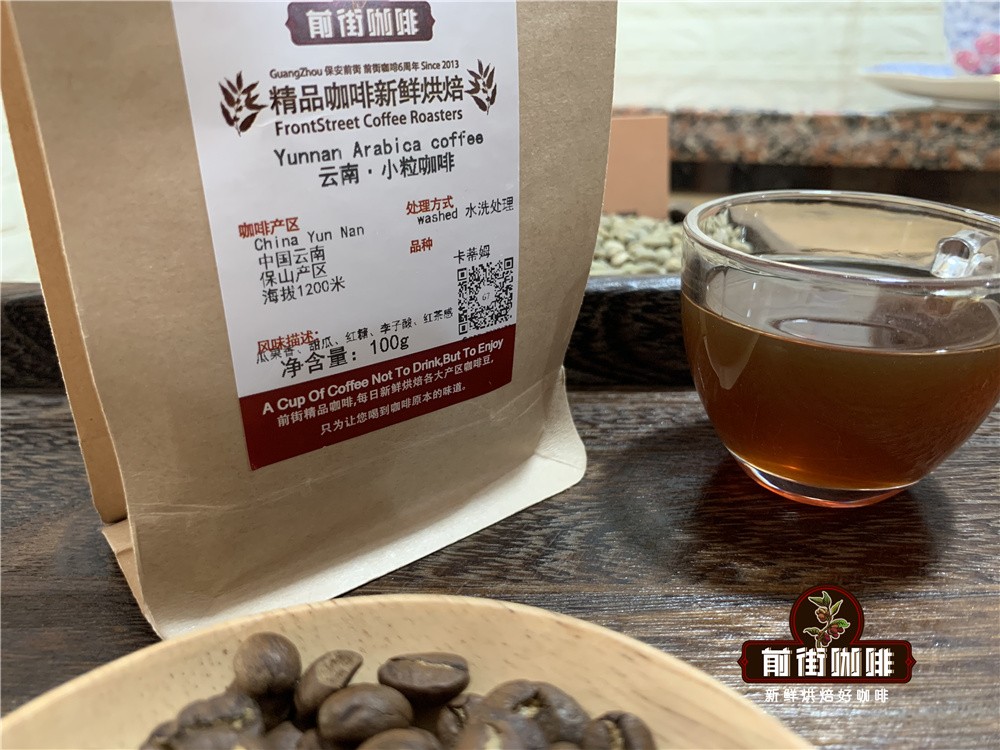
Baoshan, as one of Yunnan’s key coffee-producing regions, boasts extensive golden planting zones at low latitudes and high altitudes, with significant day-night temperature differences—perfect for growing specialty coffee. As early as the 1980s, Baoshan’s small-grain coffee was honored as the “Best Coffee in China” at a national coffee conference and has since won numerous awards in exhibitions both domestically and internationally, solidifying its status within China’s specialty coffee landscape. Both the washed Yunnan small-grain coffee and the Natural Catimor coffee come from Baoshan’s core growing areas.
Pu’er City is currently China’s largest and highest-yielding main coffee-producing region, with over 650,000 acres of coffee cultivation. Pu’er is not only the homeland of tea but also a vital hub for coffee trade and processing. In recent years, local governments and industry stakeholders have actively promoted varietal improvement, deep processing, and brand development, combining coffee culture festivals, coffee museums, and specialty farms to gradually build a globally competitive coffee industry cluster.
The coffee industry in Dehong Prefecture benefits from a robust price protection mechanism and strong technological support. Leading enterprises such as Hougu Coffee Co., Ltd. have long implemented the “Three Unifications and Three Guarantees” measures to ensure stable farmer incomes and consistent quality. This has given Dehong coffee a strong reputation in the market and reliable supply capabilities.
Lincang City, located in a subtropical low-latitude plateau, experiences a monsoon-influenced mountain climate with abundant sunshine and rainfall, notable day-night temperature differences, and frost-free conditions in some areas year-round—making it highly suitable for coffee cultivation. The industry has also established dedicated farms in Lincang, launching the 2013 Natural Typica coffee to showcase the region’s unique terroir characteristics.
In terms of flavor, Yunnan’s small-grain coffee is generally well-balanced and neutral, with mild acidity and not overly strong bitterness. It features pleasant aromas and a layered profile, making it very suitable for those new to single-origin coffee. Among the varieties, Typica, with its pure genetics, often delivers richer fruity notes and clear floral tones. Meanwhile, although Catimor, due to its Robusta heritage, was once considered to have a lighter flavor profile, modern scientific cultivation and proper processing methods now allow it to exhibit a complex combination of nutty, caramel, plum, and subtle herbal notes.
Regarding processing methods, due to Yunnan’s frequent rain and fog, washed processing has become the most common approach, helping to maintain the cleanliness and clarity of the coffee’s flavors. However, many producers also use the natural (sun-dried) method, such as with the Natural Catimor and 2013 Natural Typica, allowing the coffee to dry under sunlight to impart a deeper sweetness and fruitiness. In addition, special processes such as honey processing are gradually emerging, but due to technical barriers and climatic constraints, washed and natural remain the dominant methods.
If you’d like to brew Yunnan Catimor coffee at home, here are some practical parameters to consider: Use a Kono filter, control the water temperature at 88°C, use around 15 grams of coffee grounds, aim for a 1:15 coffee-to-water ratio, and grind to a medium-fine consistency (similar to about 75% extraction through a Chinese standard #20 sieve). This setup will better highlight its layered notes of nuts, chocolate, and subtle spice.
In summary, Yunnan’s small-grain coffee, from the early Typica to today’s mainstream Catimor, not only reflects the evolution of coffee varieties but also mirrors the continuous adjustments and innovations made by Taiwan and mainland China’s coffee industries in the face of challenges such as pests, climate, and market demands. Whether you’re a beginner just stepping into the world of coffee or a single-origin enthusiast seeking deeper flavor complexity, understanding Yunnan coffee’s regional and processing characteristics can help you find your perfect cup.
The above content is compiled by CoffeeHunters, a coffee news website.


