







Introduction:Jamaican Blue Mountain coffee is famed for its high price and rarity, but do you know where its value comes from? This article delves into the growing conditions, grading system, and market status of Blue Mountain coffee, helping you understand how to identify authentic Blue Mountain No. 1, while also sharing expert brewing advice and flavor profiles to make your selection and tasting more precise.
Blue Mountain coffee is one of the world’s most recognized premium coffees—not only is it consistently high-priced, but it is also widely acclaimed for its rarity and exceptional flavor. However, what you may not know is that the annual production of what can truly be called “Jamaican Blue Mountain coffee” amounts to no more than 900 tons. These beans can only be grown at elevations between 1,000 and 1,700 meters in the Blue Mountains, and their unique terroir and climate endow them with distinctive aroma and taste.
Scarcity and historical background affect pricing
Jamaica’s total annual coffee output is only around 1,200 to 2,400 tons, of which only about 300 to 600 tons qualify as Blue Mountain—making up a very small proportion. Additionally, prior to 2009, Japan held long-term priority purchasing rights for over 80% of Blue Mountain coffee, limiting global supply. Although this quota system was abolished after 2009, Jamaican Blue Mountain coffee has subsequently faced challenges including pests, typhoons, and leaf rust, leading to further production declines and naturally sustained high prices.
The “authentic” definition of Blue Mountain coffee: altitude, variety, and region
According to the standards set by the Jamaica Coffee Industry Board (CIB), only coffee grown in the Blue Mountains at altitudes between 910 and 1,700 meters, using the Typica variety, qualifies as “Jamaican Blue Mountain coffee.” Typica is highly demanding in terms of environment, with low disease resistance and yield, and the rugged terrain of the Blue Mountains makes harvesting difficult—all of which significantly raises production costs compared to ordinary coffee.
It’s worth mentioning that Jamaican Blue Mountain coffee is further divided into four main grades, ranked from highest to lowest: NO.1, NO.2, NO.3, PB (Peaberry), and blends. Among these, NO.1 is the top grade, commonly known as “Blue Mountain No. 1,” and must meet a screen size of 17 or above, have a defect rate below 3%, maintain a moisture content of around 13%, and be cupped to exhibit a high degree of balance and rich aromatic expression.
Counterfeit Blue Mountain on the market: how to distinguish the real from the fake?
Due to Blue Mountain coffee’s fame, many merchants market products such as “Blue Mountain flavor,” “Blue Mountain blends,” or “Blue Mountain instant coffee,” which actually have no connection to authentic Blue Mountain. These products often just borrow the name and are made from ordinary commercial beans. Nevertheless, it is still possible to purchase genuine Jamaican Blue Mountain coffee through official channels within China—for example, some officially authorized importers offer certified authentic Blue Mountain No. 1 approved by the Jamaica Coffee Board.
To determine if it’s genuine, check for an original certificate of origin, a green bean quality certificate, and an authorized sales document issued by the Jamaica Coffee Board (CIB). These are all key pieces of evidence for verifying authenticity.
Single-origin roasted Blue Mountain No. 1: origin and processing details
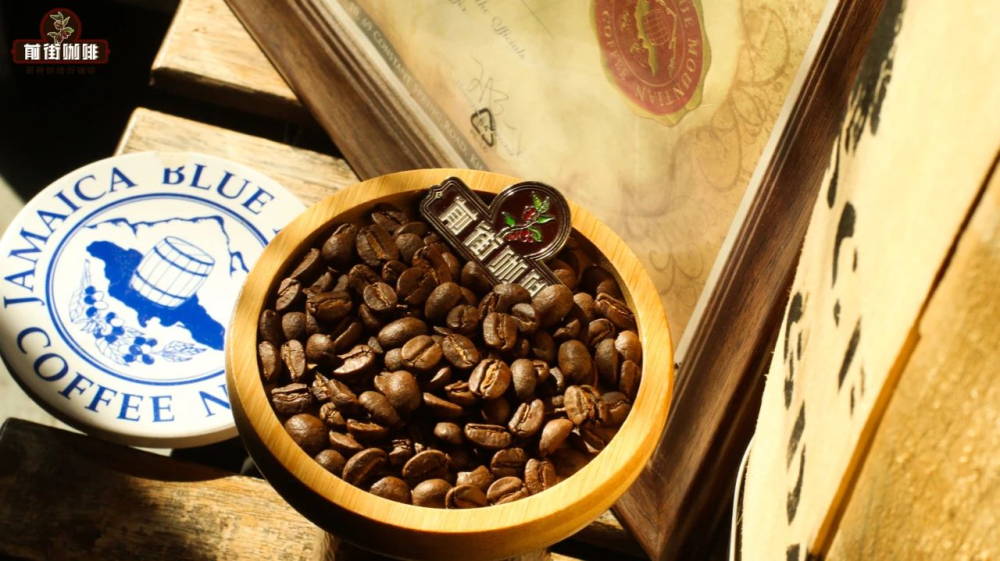
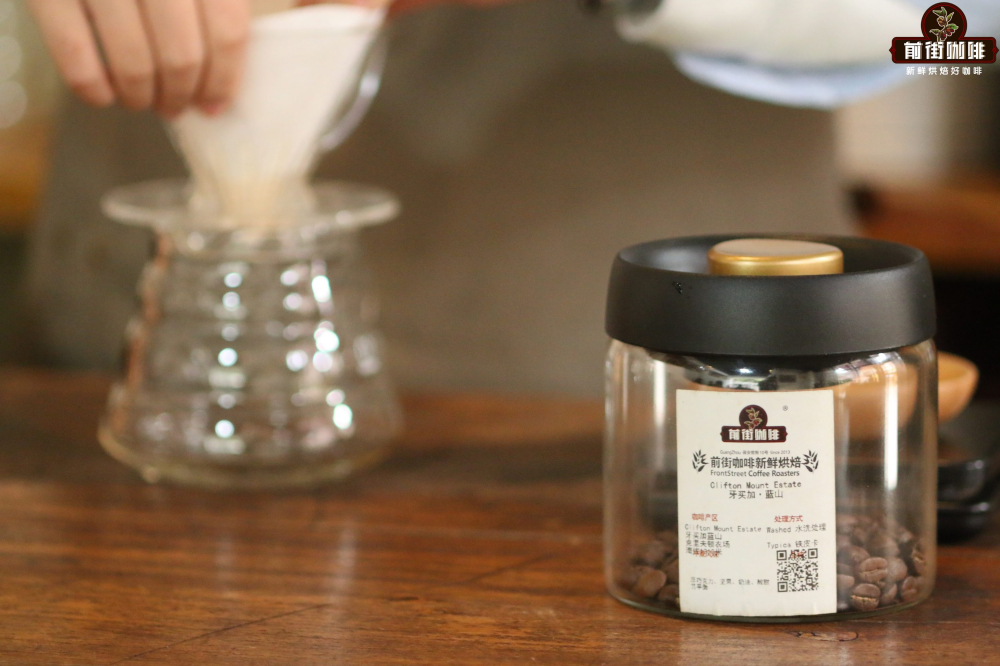
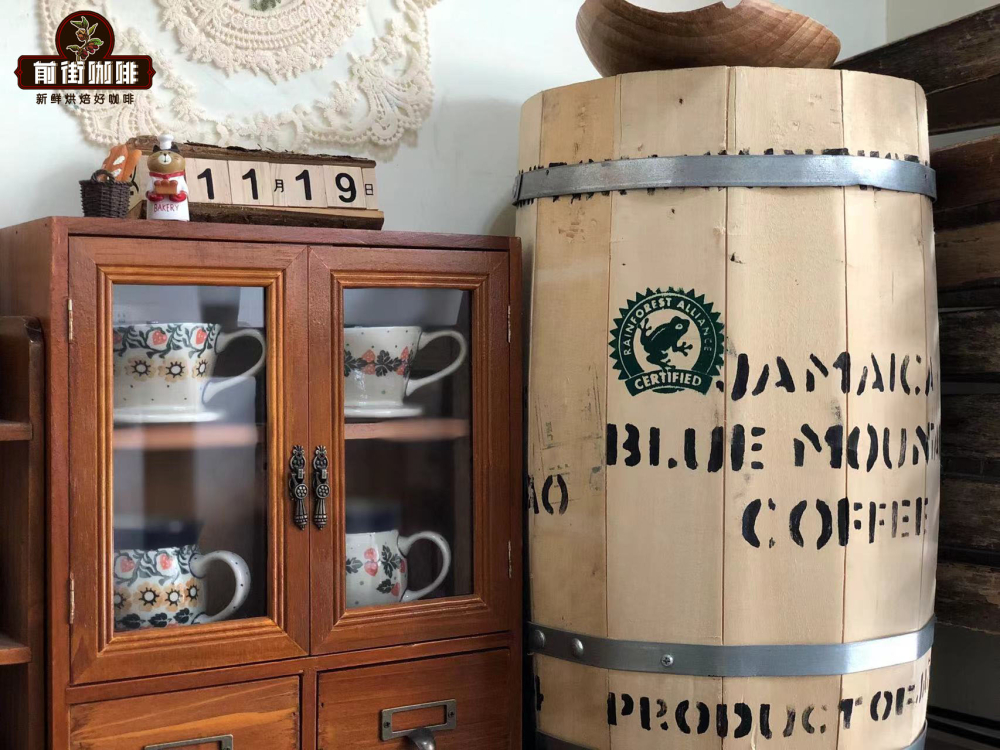
Currently, one of the more well-known sources of Blue Mountain No. 1 on the market comes from the Clifton Estate in Jamaica, operated by the Sharp family, covering a plantation area of 180 acres at an elevation of approximately 1,310 meters. The Blue Mountain No. 1 produced at this estate not only holds Rainforest Alliance certification, but also adheres to the washed processing method, using 100% Arabica Typica variety to ensure purity and consistency in flavor.
In terms of roasting, the CIB recommends a medium-dark roast to highlight the richness and sweetness of Blue Mountain coffee, while retaining moderate acidity. The industry generally follows this principle, using a medium-dark roast to bring out the unique chocolate and nutty notes of Blue Mountain No. 1, while maintaining its signature smooth mouthfeel.
Flavor profile and tasting suggestions for Blue Mountain No. 1
The flavor profile of Blue Mountain No. 1 is highly distinctive. Upon tasting, the balance between acidity, sweetness, bitterness, and body reaches an exceptional level, with none of the elements overpowering. Common flavor descriptors include dark chocolate, roasted hazelnuts, cream, and nuts, with a long-lasting aftertaste and elegant aroma. Overall, the experience is very mellow and layered.
To fully showcase the richness and balance of Blue Mountain No. 1, it is recommended to use a KONO dripper for pour over. The KONO’s low ridge design reduces airflow disturbance, extending extraction time to produce a more even and rounded coffee flavor. Recommended brewing parameters are: 15 grams of coffee grounds, a coffee-to-water ratio of 1:15, grind size around EK43s setting 10.5 (about 75% passing rate through a Chinese 20-mesh sieve), and water temperature controlled between 87–88°C.
For specific steps, start with a 30-second bloom using 30 grams of water, then pour up to 125 grams of water in a circular motion. When the water level drops by half, pour the final amount up to 225 grams. The total extraction time should be around 2 minutes. This brewing method better reveals the delicate nuances and layers of Blue Mountain No. 1.
In summary, the reason Jamaican Blue Mountain coffee is so expensive is not just due to its limited production, but also because of its exceptional terroir, strict grading system, and the rigorous requirements throughout cultivation and processing. If you’ve ever been curious about Blue Mountain coffee, start by learning about its origin, grading, and correct brewing methods to truly appreciate the legendary charm of this “icon of the coffee world.”
The above content is compiled by CoffeeHunters, a coffee news website.


