







Introduction:A music-themed series launched by a certain brand, named after Beethoven, Bach, and Mozart, is made from high-altitude hard beans sourced from the Carrizal Estate in Costa Rica. This article delves into the naming origins of these three coffees, the differences in their processing methods, their unique flavor profiles, and provides practical pour-over brewing parameters to help you discover your own coffee preferences.
Coffee beans are named in various ways, commonly by origin or farm. However, those named after musicians are particularly distinctive. The Costa Rican Carrizal Estate’s Musician Series, which includes editions such as Beethoven, Bach, and Mozart, has drawn significant attention from coffee enthusiasts. All three coffees come from the high-altitude regions of central Costa Rica, produced using the Caturra and Catuai varieties with both washed and raisin honey processing methods. Not only do they exhibit distinct regional characteristics, but each also carries a unique musical inspiration.
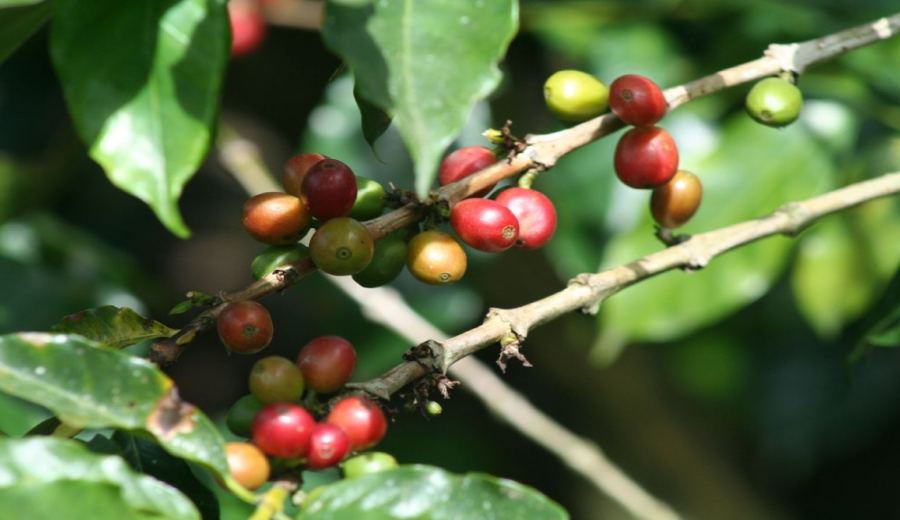
The Carrizal Estate is located in the high-altitude zone of Costa Rica’s Tarrazú region, at elevations between 1,700 and 1,950 meters. The coffee produced here is all classified as SHB (Strictly Hard Bean). The estate is managed by three brothers who have over a decade of experience in coffee cultivation and also operate a small processing facility. The reason the Musician Series is named after classical music masters stems from the estate owner’s passion for music. Among the many processing methods, raisin honey and washed processing are key to shaping the flavor profiles of these coffees, allowing each one to display layered and distinct characteristics like a musical composition.
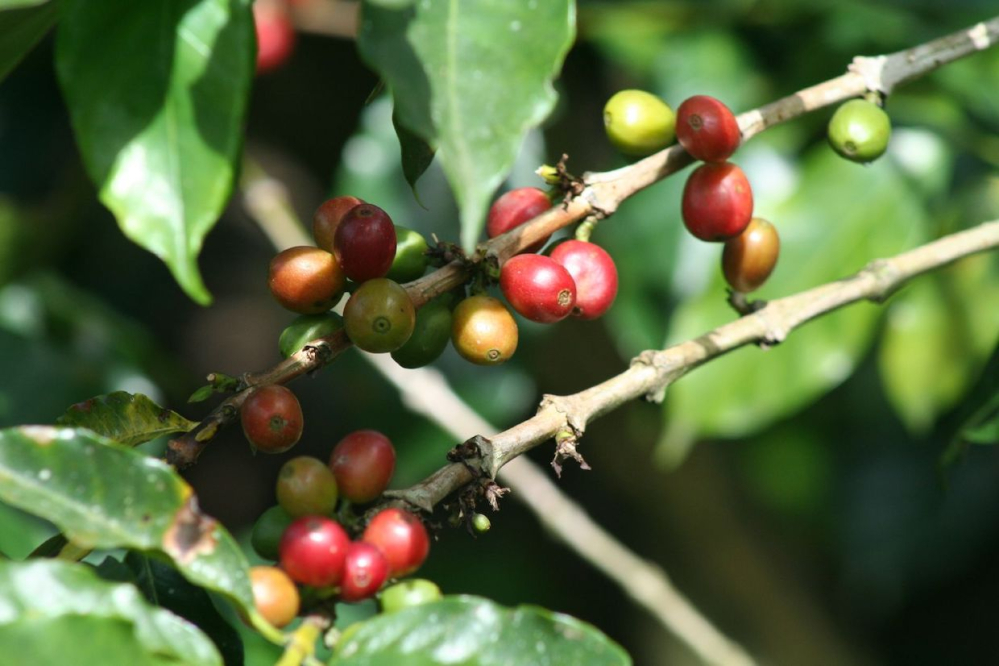
The 2019 Musician Series particularly highlights the Caturra variety, showcasing its potential in high-altitude environments. Caturra is a mutation of Bourbon, known for its strong disease resistance and suitability for high-altitude cultivation. Although it has a relatively lower yield per plant, its flavor tends to become more concentrated and vibrant as altitude increases. This is one of the reasons why the Musician Series has received positive acclaim in the international market. With high sweetness, pronounced fruitiness, and a finish that blends wine-like notes and tea-like undertones, it’s as if you’re savoring a moving symphony.
Next, let’s take a closer look at these three musician-named coffees, exploring their flavor profiles and suitable brewing methods to uncover their unique charm step by step.
[Brand Name] Costa Rica Bach Coffee Beans
Bach, much like its namesake’s compositions, is layered, structured, and rich in refined details. The dry aroma offers pronounced notes of strawberry, blackberry, and raisin fruitiness, which gradually unfold during brewing. Upon tasting, the first impression is a rich fruitiness with bright acidity, followed by a subtle wine-like note in the mid-to-late palate, reminiscent of the richness and finesse of red wine. As the temperature drops, the honey-like sweetness becomes more prominent, even hinting at a plum wine-like aftertaste. The overall flavor profile feels like stepping into a Baroque art hall—both opulent and meticulously structured.
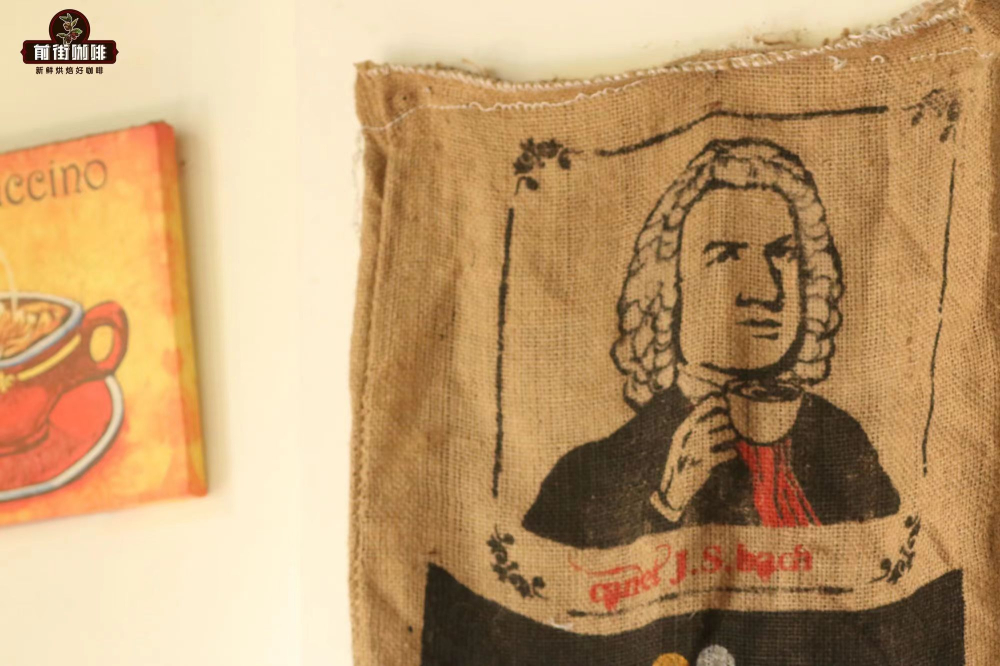
[Brand Name] Costa Rica Beethoven Coffee Beans
Beethoven is not only a renowned figure in music history but also a legendary coffee enthusiast, reportedly counting precisely 60 coffee beans before beginning to brew—truly a unique trait. The coffee named after him shares that dramatic intensity and refreshing character. The dry aroma carries red berry notes, especially a distinct strawberry scent, accompanied by soft floral undertones. On the palate, the acidity is bold and solid, balanced with the tartness and sweetness of green grapes and red berries, resulting in a clean and smooth mouthfeel. As the temperature lowers, the berry flavors intensify, leading many international coffee reviewers to describe it as a bean full of summer romance. Notably, Beethoven is processed using the washed method, lending it a crisper profile that clearly distinguishes it from its honey-processed siblings.
[Brand Name] Costa Rica Mozart Coffee Beans
Mozart, the child prodigy whose works are always brimming with brilliance and vitality, inspires a coffee that similarly bursts with fruity aromas and sweetness. This Mozart edition switches to the Caturra variety, differing from the past yellow Catuai red honey process. Its flavor skews more toward sweet citrus tones and white floral notes, such as orange blossom. During brewing, intense floral aromas and layered berry notes emerge, followed by a mild plum-like acidity and a gummy bear-like sweet aftertaste in the mid-to-late stages. Even as the coffee cools, the floral and sweet elements remain prominent. It’s a coffee that invites multiple sips. This bean is ideal for those who enjoy bright fruitiness and distinct sweetness.
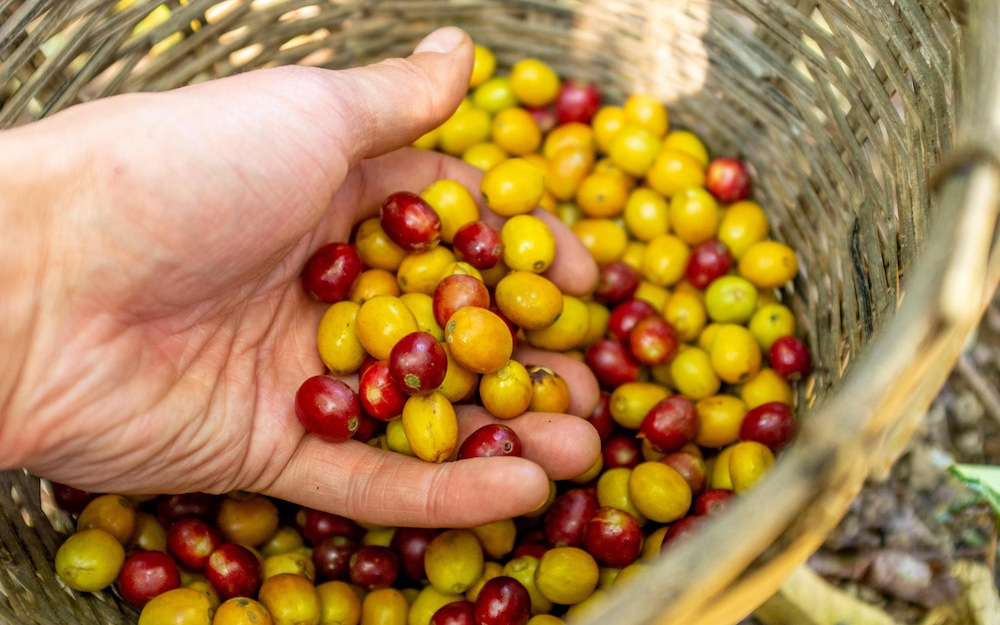

In summary, each coffee in the Musician Series is like a unique movement. Whether you prefer bold fruitiness, bright acidity, or lingering sweetness, you’ll find something to resonate with. For pour-over brewing, adjust grind size and water temperature according to the processing method: for the washed Beethoven, use a slightly finer grind (e.g., medium-fine, around 70–75% through a 20-mesh sieve) with water at 90–92°C; for the honey-processed Bach and Mozart, a slightly coarser grind (medium, around 60–65% through a 20-mesh sieve) with water at 88–90°C is recommended to highlight the layers of honey and dried fruit aromas. With careful adjustments, you’ll better appreciate the craftsmanship and inspiration behind each Musician coffee.
The above content is compiled by CoffeeHunters, a coffee news website.


