







Introduction:Arabica coffee is the mainstream variety in the global specialty coffee scene, but do you know about the different lineages and flavor profiles behind it? This article takes an in-depth look at the origins, plant characteristics, and major varieties of Arabica coffee — including Typica, Geisha, Bourbon, Caturra, and SL28/34 — to help you understand the unique flavor profiles of each lineage, along with practical pour over bean selection tips, so you can more precisely grasp the essence of specialty coffee.
Walk into any café, and the word "Arabica" appears on nearly every menu, but do you truly understand it? In fact, over 60% of the coffee beans on the market belong to the Arabica variety. It's not only the foundation of specialty coffee but also the source of classic flavor profiles from renowned producing regions such as Jamaican Blue Mountain, Panamanian Geisha, and Ethiopian Yirgacheffe. This article starts with botanical background, deeply analyzes the cultivation conditions and core flavor characteristics of Arabica, and introduces several of the most representative lineages in detail — helping you build a complete understanding of coffee varieties from the ground up.
Arabica (scientific name: Coffea arabica), also known as small-seed coffee, originates from the Ethiopian highlands in East Africa. Initially, this plant was not used as a beverage but rather for its medicinal value. Later, people began to discover its aroma and taste after roasting, and through Arab merchants, the seeds were brought to the Middle East, Europe, and eventually the world, gradually evolving into the highly revered drink it is today. Among many specialty coffee beans — including Blue Mountain, Geisha, and Yirgacheffe — almost all belong to the Arabica family.
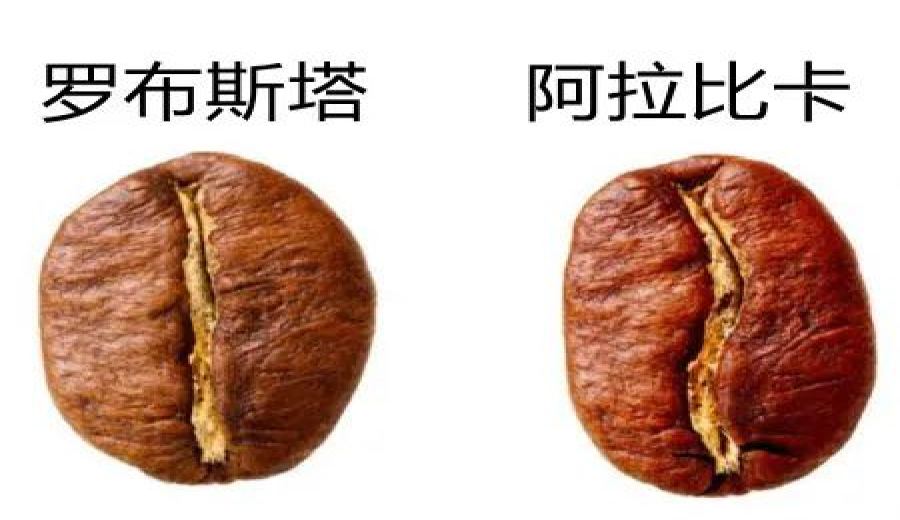
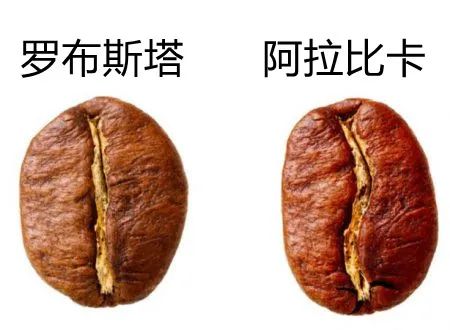
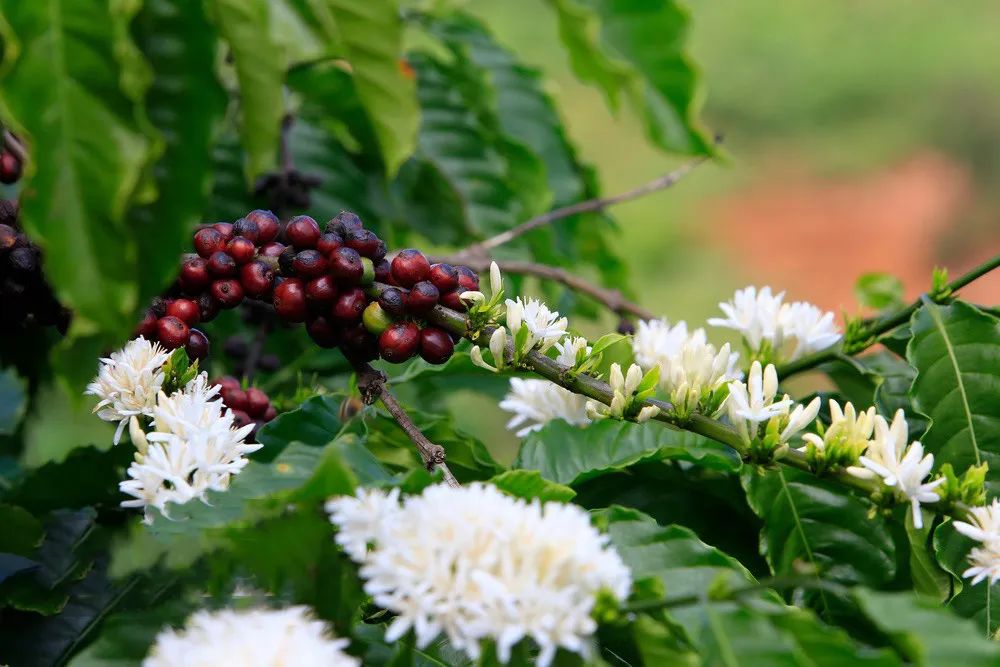
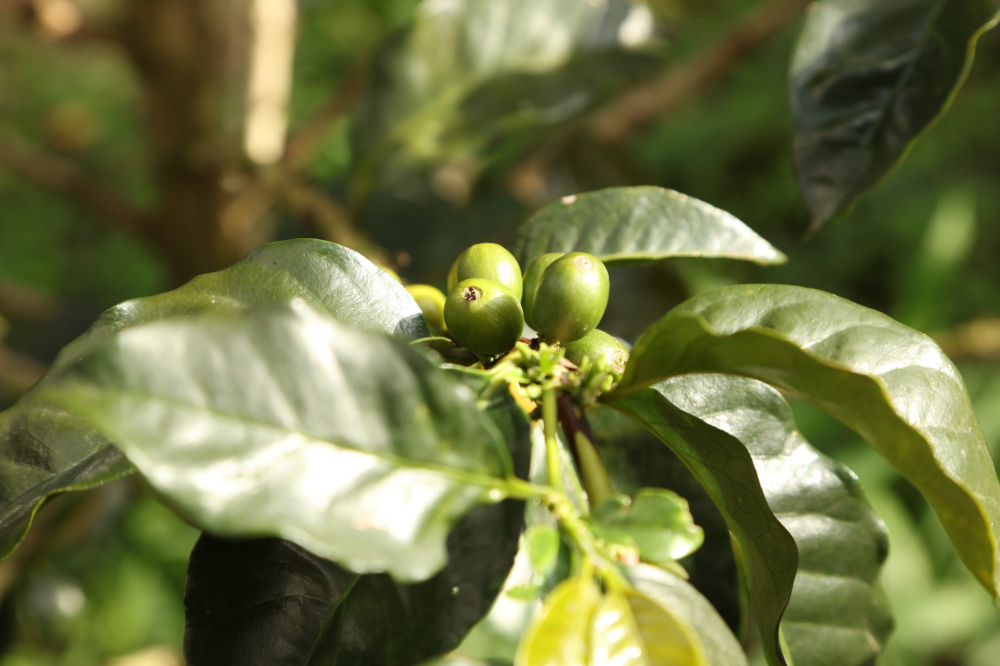
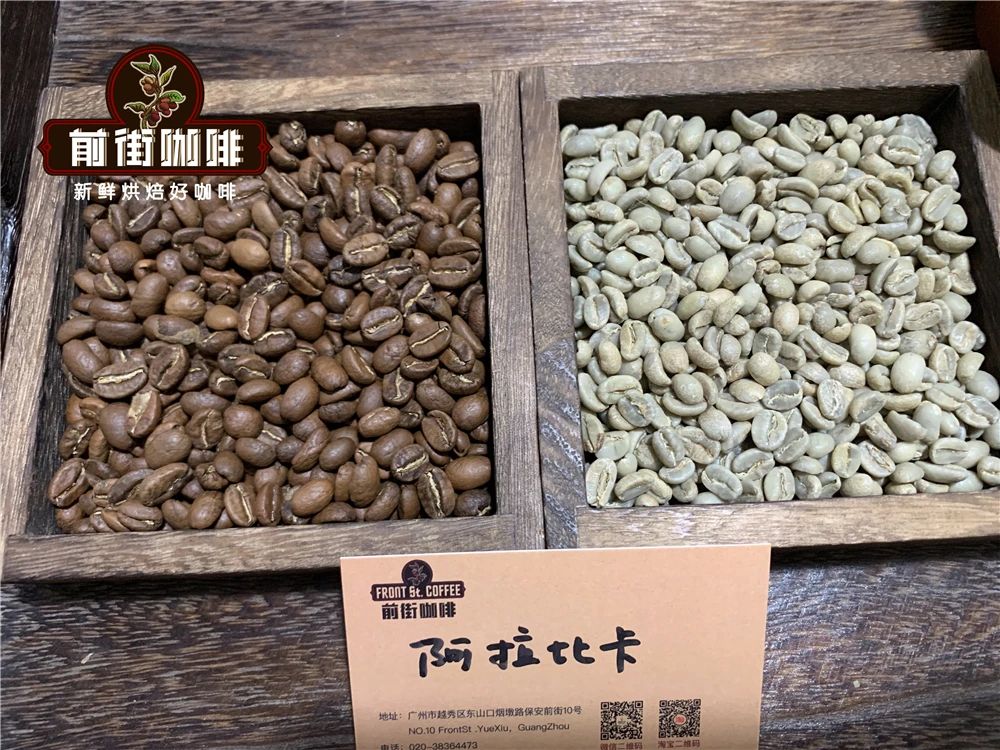
From a plant characteristic perspective, Arabica plants are medium to large shrubs that thrive at altitudes of approximately 600 to 2200 meters, with some areas even reaching up to 2350 meters while maintaining excellent quality. Their ideal growing environment features an average annual temperature of 15 to 24°C, along with annual rainfall of 1200 to 2200 millimeters. The leaves are dark green and oval-shaped, and the fruits are also oval, usually containing two slightly flattened coffee beans per fruit. These beans have an elongated oval shape on the front, with a long, slender S-shaped crevice in the middle, and a relatively flat back. These traits are identifiable when observing the plant.For example, in small-scale coffee farms in high-altitude mountainous regions, these types of coffee trees can often be seen.
In terms of chemical composition, Arabica has relatively low chlorogenic acid content, ranging between 5.5% and 8%. Although this compound has antioxidant and anti-insect properties, the lower level makes it more susceptible to pests and diseases, and also limits its adaptability to environments with drastic climate changes. Additionally, Arabica contains only about 0.9% to 1.2% caffeine, significantly lower than Robusta’s 1.7% to 3.0%, but it has noticeably higher fat and sugar content, resulting in a smoother taste, prominent sweetness, and bright acidity. This is also why, under the trend of specialty coffee, Arabica has become the market’s preferred choice.
Arabica flavors typically showcase rich layers — from citrus and berries to floral notes and honey — all of which can be discovered across different producing regions and processing methods. Compared to the intense bitterness and heavy mouthfeel of Robusta, Arabica places greater emphasis on the delicacy of aroma and balance of flavors, making it the preferred bean variety for refined brewing methods such as pour over and drip filtration.
Under the Arabica umbrella, there are nearly three thousand varieties, most of which originate from two original types: Typica and Bourbon. The following will introduce several representative lineages and their characteristics.
Typica
Typica is one of the oldest native varieties from Ethiopia, discovered around the 15th to 16th century. Its plants are tall, with top leaves in a bronze color, and the coffee beans are slender and pointed at both ends, resembling the shape of an egg. In terms of flavor, Typica often presents a clear citrus acidity, with a sweet aftertaste, delivering an overall clean and elegant profile. However, it has relatively low yield and weaker resistance to leaf rust, leading many farmers to gradually switch to other more disease-resistant varieties.
Typica was introduced to Jamaica by Sir Nicholas Lawes in the 18th century and took root in the Blue Mountains, where it has been cultivated for over two hundred years. The area’s unique maritime climate and high-altitude environment have enabled Blue Mountain Typica to develop stronger adaptability, particularly with greater resistance to coffee berry disease compared to typical Typica. Roasting is recommended to a medium-dark level to fully bring out its chocolate and nutty aromas, while preserving its soft acidity and sweetness, achieving overall flavor balance.
Geisha
Geisha is regarded as one of the representatives of contemporary specialty coffee. Its aromatic expression is extremely penetrating, often featuring complex scents such as rose, citrus, berries, and honey. This variety originates from Typica, was first discovered in Ethiopia, and later flourished in places like Panama. Geisha is extremely particular about its growing environment, requiring high altitude, cloud cover, fertile soil, and grows slowly with very low yield.
Due to its thin leaf system and low root absorption efficiency, Geisha is relatively difficult to cultivate, hence it is mainly concentrated in Latin American regions such as Panama, Guatemala, and Colombia. The commonly seen Gesha from Hacienda Esmeralda is subdivided into Red Label, Green Label, and Volcán levels based on processing and flavor performance, each showcasing different aromatic layers — from fruity-floral to honey sweetness — and is highly praised by coffee enthusiasts.
Bourbon
Bourbon is a natural mutation of Typica, with beans changing from slender to round in shape. It was first discovered on the eastern coast of Africa on the island of Bourbon (now Réunion Island). This variety has better resistance to rust leaf disease than Typica, and in high-altitude environments, it can exhibit richer aromas and more delicate acidity. Bourbon fruits change color with ripeness from green to yellow, orange, red, and finally deep red, with further divisions into red bourbon and the rarer yellow bourbon.
Brazilian red bourbon often exhibits a foundational flavor of nuts and chocolate, paired with moderate caramel sweetness, smooth mouthfeel, and a comfortable aftertaste, making it very suitable as an everyday bean for beginners. Roasting is recommended to a medium-dark level to highlight its stable flavor backbone.
Caturra
Caturra is a natural variant of Bourbon, discovered in Brazil in 1937. Its plants are shorter, and although they have general disease resistance, they are suitable for dense planting, yielding relatively higher outputs and are widely grown in Central America. In terms of flavor, Caturra displays bright acidity and rich fruity notes, and after medium-dark roasting, often carries sweet sensations of chocolate and nuts, making it a frequent contender in competition beans.
Washed Caturra beans from Colombia are known for their cleanliness and balance. Medium-dark roasting can bring out layers of nuts, dark chocolate, and caramel, making them very suitable for everyday drinking and beginners’ experiences.
SL28 & SL34
These two varieties originated from the breeding program of Kenya’s Scott Labs in the 1930s, with the codes SL-28 and SL-34 respectively. SL28 originates from the Bourbon genetic group, with short and round beans, featuring outstanding acidity and sweetness; SL34 comes from the Typica group, with slightly flatter beans, and a flavor leaning toward balanced acidity and sweetness with a caramel aftertaste. These two varieties perform especially well in Kenya’s high-altitude producing regions, often exhibiting unique flavors such as plum, black plum, and cherry tomato.
Overall, the diversity of Arabica coffee is not only reflected in its wide range of varieties, but also in the flavor variations brought about by different altitudes, processing methods, and roasting levels. Understanding the characteristics of these lineages can help you choose coffee beans that more accurately match your personal taste preferences, whether you're a beginner or an advanced taster — offering you greater direction in your selections.

The above content is compiled by CoffeeHunters, a coffee news website.


