








Introduction:Have you ever seen "100% Arabica" on a coffee package but only had a vague understanding of the variety classifications behind it? In fact, Arabica encompasses numerous sub-varieties, such as the classic Typica and the commercially common Catimor, each with distinct differences in flavor, yield, and adaptability. This article will delve into the relationship between the two major species—Arabica and Canephora—and help you understand the plant characteristics and flavor profile of Typica, as well as why Catimor is more favored in production. This will assist you in making smarter choices when selecting coffee beans.
Walking through the shelves of cafés or supermarkets, "100% Arabica" has almost become a quality guarantee in the minds of many consumers. But if you look deeper, you’ll find that "Arabica" is actually a large family, with many sub-varieties possessing different characteristics. Among them, Typica is arguably one of the most representative classic varieties, not only known for its well-balanced flavor but also as the origin of many modern varieties.
However, Typica also has notable drawbacks, including low yield, weak resistance to pests and diseases, and greater difficulty in cultivation under less-than-ideal altitude and climate conditions. This has led many coffee-growing regions, such as Yunnan, to gradually shift toward more robust varieties like Catimor. Although Catimor belongs to the Arabica species, it contains one-quarter Robusta genetics, yielding about 70% more than Typica and not requiring shaded environments, making it the mainstream choice for commercial planting.
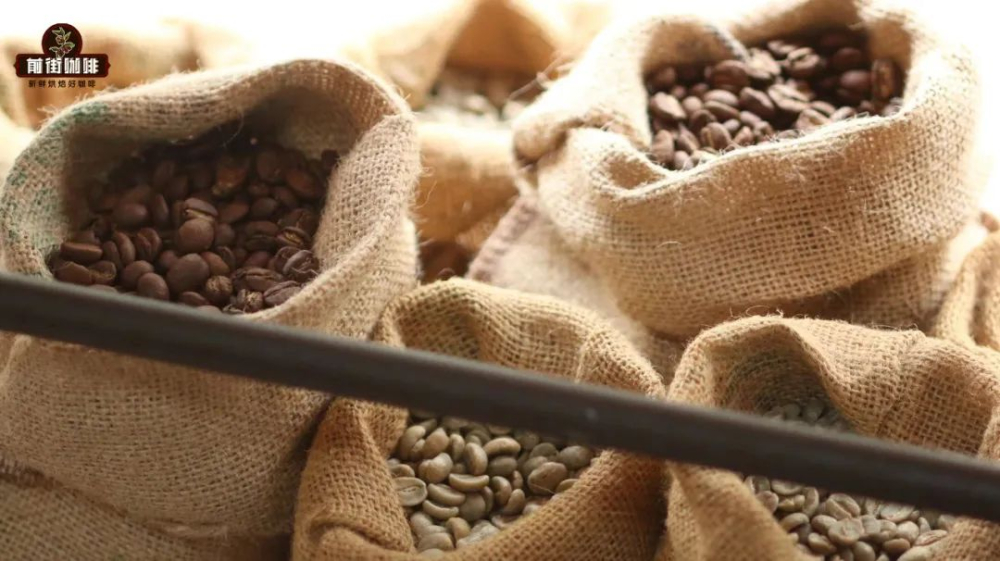
The commonly mentioned "Robusta" actually falls under the Canephora species, classified as a medium-sized coffee bean. Many people habitually refer to the entire Canephora species as "Robusta," but this is just the most common and commercially viable variety within that species. From a botanical classification perspective, the true counterpart to Arabica is the Canephora species, which is often used in processed products like instant coffee and canned coffee.
Returning to the Arabica species, this family of coffee is widely praised for its delicate flavors and layered acidity. However, because it differentiates
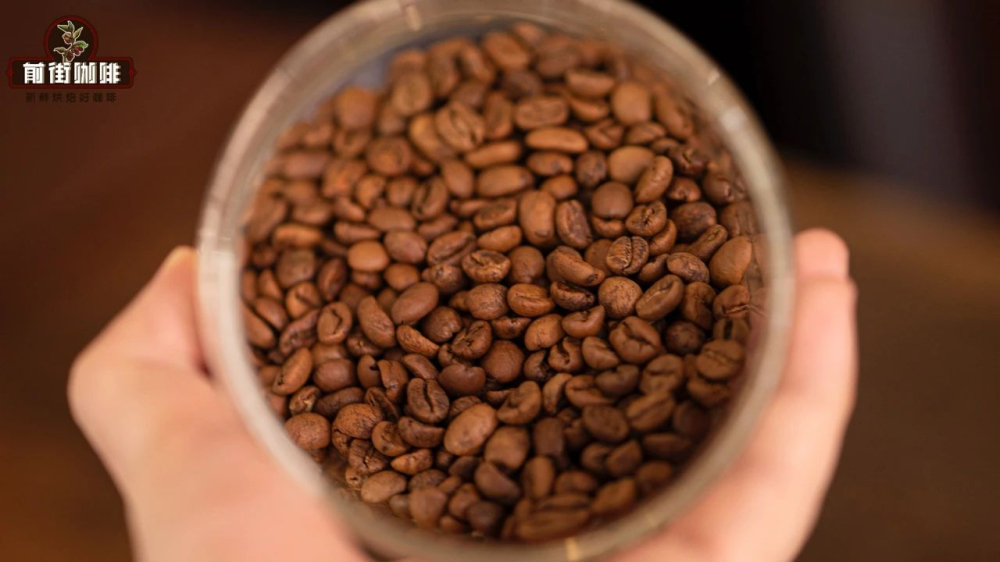
Typica is one of the most representative varieties within Arabica coffee. It originated on the island of Martinique and later spread to Central America, Jamaica, Hawaii Kona, Papua New Guinea, and East Timor, among other regions. Its appearance is quite distinctive—the plant has a clearly conical shape, with a straight main stem that can grow up to five meters in height, resulting in wider spacing between branches and internodes compared to other varieties. The angle between lateral branches and the main stem ranges from 50 to 80 degrees, and both leaves and fruits tend to be slender. Young buds are initially bronze-colored, which is one of the key identifying features of this variety.
The leaves of Typica are relatively smooth, with inconspicuous wavy edges, and the fruits turn a beautiful bright red when ripe. Its top leaves have a unique bronze hue, and the beans are relatively large, often exhibiting an oval or pointed-oval shape—hence it is also affectionately nicknamed "red-top coffee." However, Typica faces several cultivation challenges, including specific altitude requirements, relatively low yield, and high susceptibility to leaf rust. Its resistance to pests and diseases is noticeably weaker than that of other varieties.
In terms of flavor profile, Typica typically offers a clean and clear cup, with bright acidity and layered complexity, often accompanied by sweetness and delicate fruity notes. Take the Typica grown in Yunnan, for example—under appropriate processing methods and roast levels, it can showcase fruit tones such as apricot and Chinese plum, along with a soft caramel and chocolate aftertaste. Cupping notes also indicate that Typica generally has high overall balance and a clean taste, making it a classic variety that specialty coffee enthusiasts shouldn’t miss.
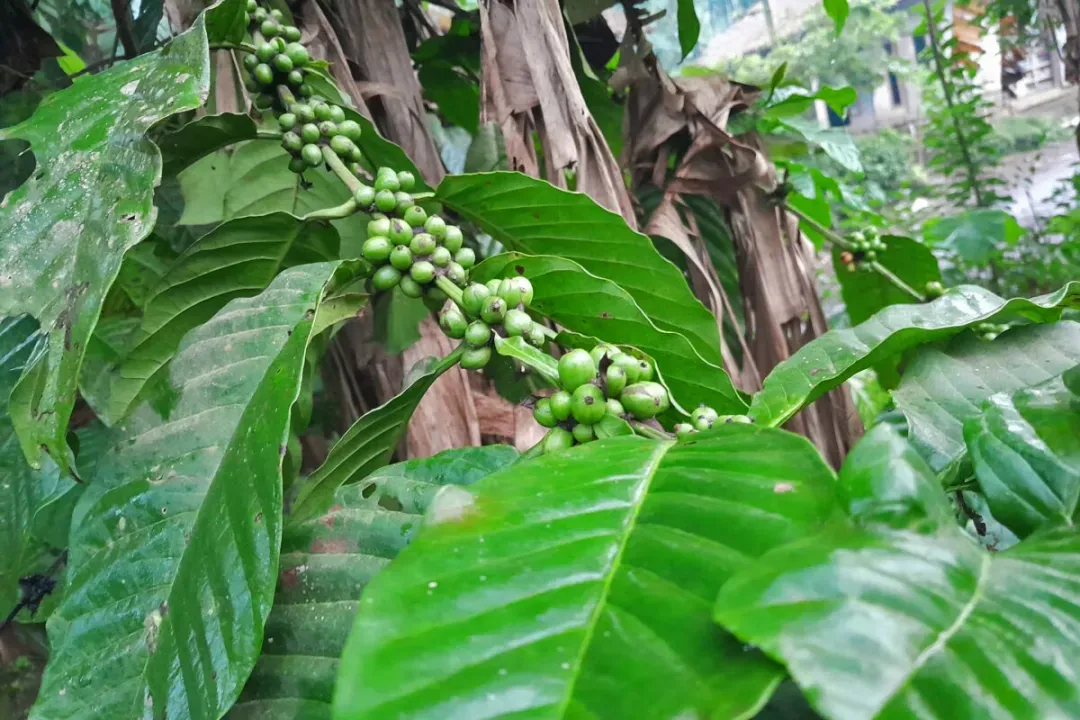
However, despite Typica’s advantages in flavor complexity, its demanding growing environment, susceptibility to diseases, and limited yield make it difficult to become mainstream in commercial cultivation. As a result, in many coffee-growing regions—especially areas like Yunnan that require large-scale supply—it is more common to cultivate disease-resistant and high-yield varieties such as Catimor.
Although Catimor is classified as part of the Arabica species, its genetic makeup includes one-quarter Robusta lineage. This gives it stronger adaptability and disease resistance, allowing it to thrive without shade and produce about 70% higher yields per unit area compared to Typica. These traits have made Catimor the preferred variety for many commercial farms and large production regions. However, due to its genetic background, Catimor generally falls slightly short of purebred Typica or other traditional Arabica varieties in terms of flavor complexity and refinement.
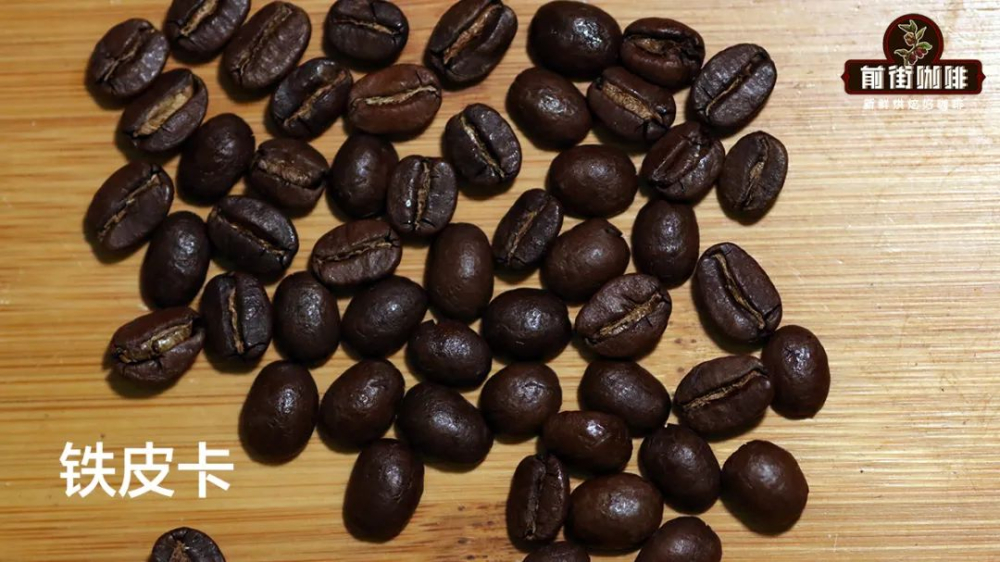
In summary, if you’re a coffee enthusiast who values flavor details—especially when trying pour over or high-quality drip coffee—understanding the varietal information behind the beans can help you more accurately grasp their potential flavor profiles and brewing parameters. As a classic representative, Typica may be challenging to cultivate, but its clean acidity and high balance still hold a respected place in the specialty coffee scene. Meanwhile, Catimor is an indispensable, practical variety in modern coffee production, supporting the global demand for large-scale coffee supply.
The above content is compiled by CoffeeHunters, a coffee news website.


