







Introduction:Yirgacheffe is one of Ethiopia’s most iconic specialty coffee regions, renowned for its bright acidity and delicate floral notes. This article delves into the origin of its name, the characteristics of its native coffee varieties, compares the flavor profiles of washed and natural processing methods, and offers expert pour over brewing parameters to help you better appreciate the charm and extraction techniques of this classic coffee bean.
Yirgacheffe, a well-known coffee region in southern Ethiopia, derives its name from ancient local languages where “Yirga” means “to settle” and “Cheffe” means “wetland,” collectively implying “let us make our home in this wetland.” The region sits at an altitude of approximately 1,700 to 2,200 meters, with a cool climate and significant day-night temperature variation. The slow growth of coffee cherries allows for the accumulation of richer flavor compounds, resulting in its distinctive bright acidity, refined floral aromas, and honey-like sweetness.
Originally just the name of a small town, this region has gradually become synonymous with Ethiopia’s specialty coffee due to the highly distinctive and high-quality beans it produces. In 2004, the Ethiopian government further registered “Yirgacheffe” as a protected geographical indication to promote its unique coffee culture and flavor characteristics.
The most impressive aspect of Yirgacheffe coffee is arguably its fresh and bright lemony acidity, paired with elegant white floral notes and a honey-like finish. The overall profile is refreshing yet layered, forming a strong contrast to the intense bitterness of traditional dark roasted coffees. This fruit-tea-like flavor profile has made it a classic entry point for many coffee beginners or those seeking pronounced fruity acidity.
The unique flavor profile of Yirgacheffe coffee is not only due to its exceptional geographical and climatic conditions but also significantly influenced by its processing methods. In the early days, Ethiopia commonly employed traditional natural processing, which largely relied on small-scale family operations. Coffee cherries were often spread directly on the ground or rooftops to dry, making them prone to contamination, off-flavors, or undesirable fermentation, leading to inconsistent quality.
To address this, the Ethiopian government introduced modern washed processing technology from Central and South America in 1972 and gradually promoted its adoption. The washed method relies on stable water supply in washing tanks, controlling fermentation time and water flow to effectively remove the mucilage layer and impurities, greatly improving the cleanliness and consistency of green beans. Although more costly, this method significantly reduces defect rates, creating the signature clarity of acidity, citrus tones, and delicate floral notes in Yirgacheffe coffee, making it ideal for brewing via pour over, cold brew, and other methods.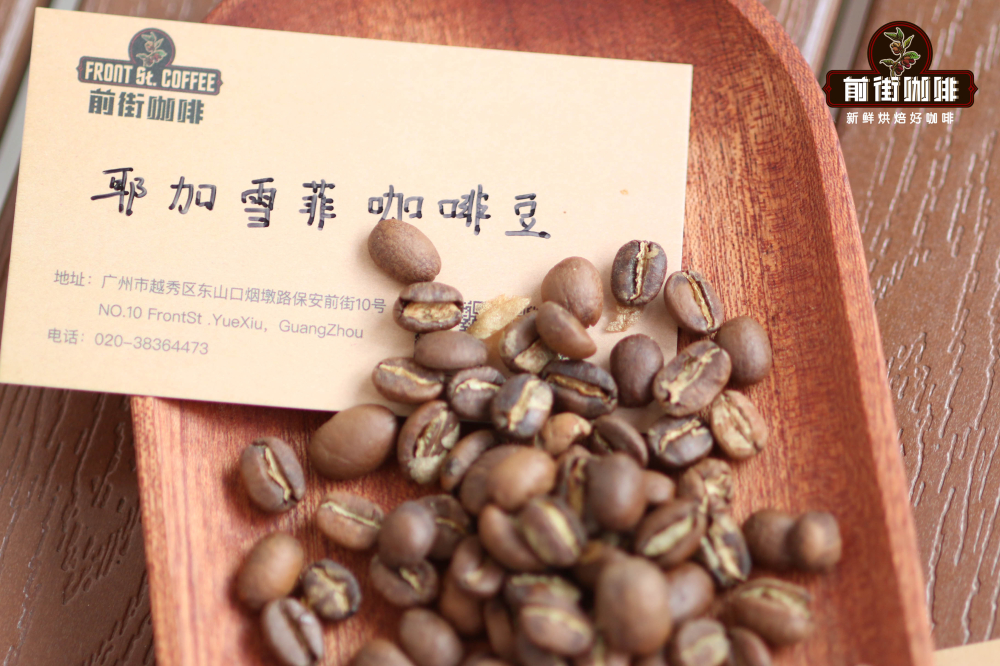
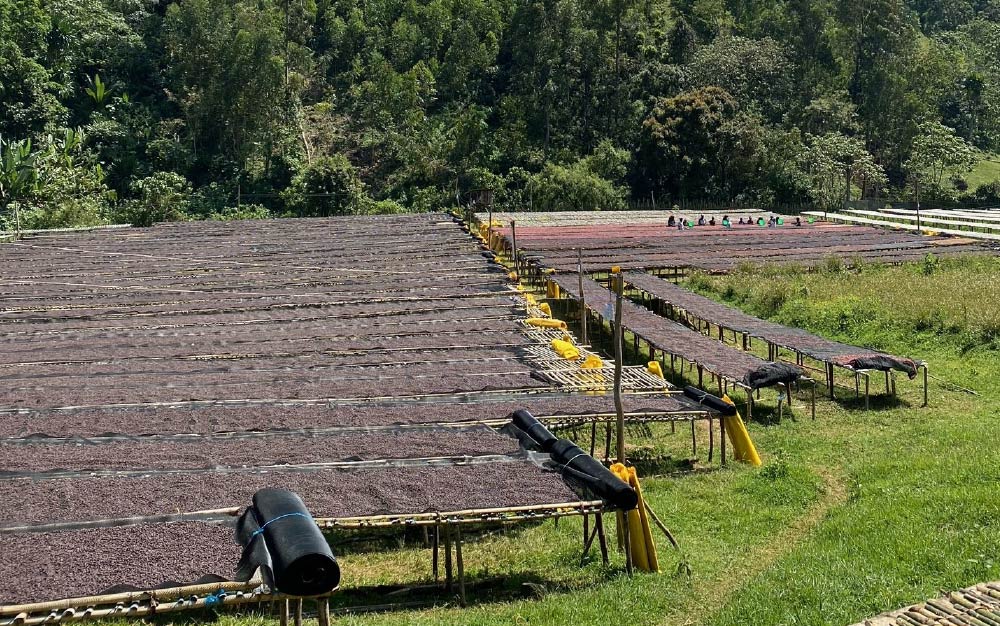
Although washed processing has brought Yirgacheffe international acclaim, natural processing still holds a significant place in the region, with continuous advancements in technique in recent years. Traditional natural processing is simple but can yield inconsistent quality; modern methods involve strict selection of ripe red cherries, controlled drying environments, and timing to present more complex fermented flavors and rich sweetness. For example, the renowned “Red Cherry Project,” initiated in 2007 by the Dutch trading company Trabocca BV, focuses on quality improvement in high-altitude regions. It emphasizes harvesting only fully ripe red cherries and utilizes professional cupping and technical guidance to enable natural-process Yirgacheffe to exhibit wine-like aromas, berry notes, and full-bodied sweetness. The drying process lasts about 27 to 30 days until the moisture content drops to 11% and the cherries turn dark purple before completion.
In terms of variety, Ethiopian coffee is often labeled as “Heirloom.” This term means “treasure passed down through generations,” reflecting the cultural importance of coffee to the local people. With over 10,000 to 15,000 coffee genetic strains in Ethiopia—most of which are wild or semi-wild and have not undergone complete genetic identification—the government has consolidated these numerous varieties under the unified classification of “Ethiopia Heirloom” to protect biodiversity and local distinctiveness. This is also why commercially available Ethiopian beans often vary in size and appearance.
If you’d like to brew a high-quality Yirgacheffe yourself, here are expert-level pour over recommendations suitable for light-roasted washed beans: use a V60 filter, control water temperature at 92–93°C, use 15 grams of coffee grounds, and set a 1:15 coffee-to-water ratio. Grind size should be similar to that of fine sugar (approximately 78% of 20-mesh sieve passing rate). First, pour 30 grams of hot water for a 30-second bloom, then add 95 grams of water (totaling around 125 grams) within about 1 minute; when the water level drops to two-thirds of the coffee bed, add another 100 grams of water (totaling around 225 grams), with total extraction time around 1 minute and 35 seconds. Finally, let the remaining drip finish before removing the filter. These parameters help highlight its citrus, white floral, and honey sweetness, making it ideal for those seeking clear fruit acidity and refined flavors.
In summary, Yirgacheffe is not only a symbol of Ethiopia’s specialty coffee, but its washed and natural processing methods each offer unique characteristics: the former excels in clarity of acidity, citrus, and floral notes, suitable for pour over and cold brew; the latter showcases rich fermented aromas and sweet aftertastes, with even greater complexity. Whether you’re a beginner exploring specialty coffee or a coffee enthusiast in pursuit of bright acidity, understanding Yirgacheffe’s regional background, processing differences, and brewing essentials will allow you to better appreciate the unique charm of this classic coffee.
The above content is compiled by CoffeeHunters, a coffee news website.


