







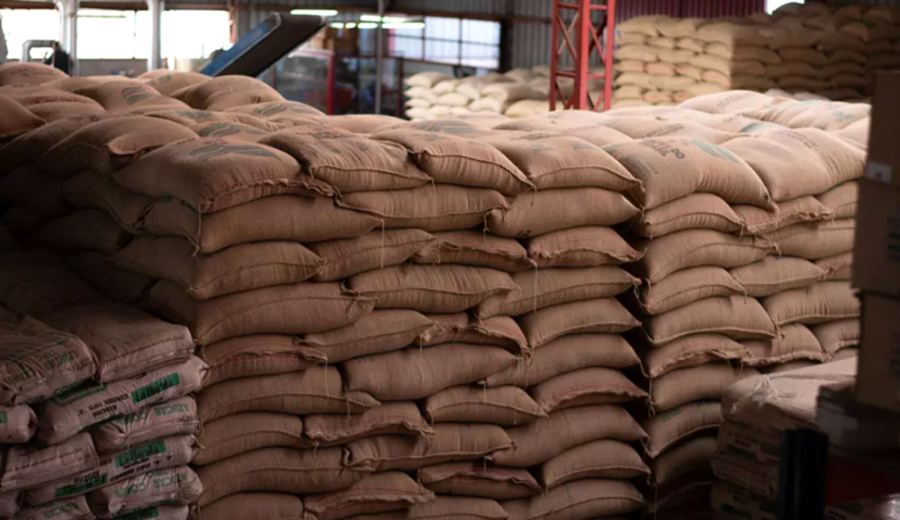
Introduction:Delve into two renowned coffee-growing regions in Brazil’s Minas Gerais state—Cerrado and Mogiana—to explore how their unique geographical conditions shape coffee flavors, and introduce the characteristics and advantages of the honey processing method. Practical pour over recommendations are also provided, including grind size, water temperature, coffee-to-water ratio, and a three-stage brewing technique to help you fully experience the richness and complexity of Brazilian coffee.
As one of the world’s major suppliers of Arabica coffee beans, fluctuations in Brazil’s production have a significant impact on the global coffee market, especially on futures prices. The Cerrado and Mogiana regions in Minas Gerais, blessed with ideal altitude and soil conditions, produce specialty-grade coffee with a rich, balanced flavor profile. This article will analyze the overall flavor characteristics of Brazilian coffee, recent production trends, the evolution and technical highlights of the honey processing method, and highlight two representative Brazilian single-origin beans—Cerrado and Fazenda Rainha—by exploring their origin backgrounds, cupping profiles, and optimal pour over parameters. This will offer coffee enthusiasts a deeper understanding of this globally important coffee-producing region.
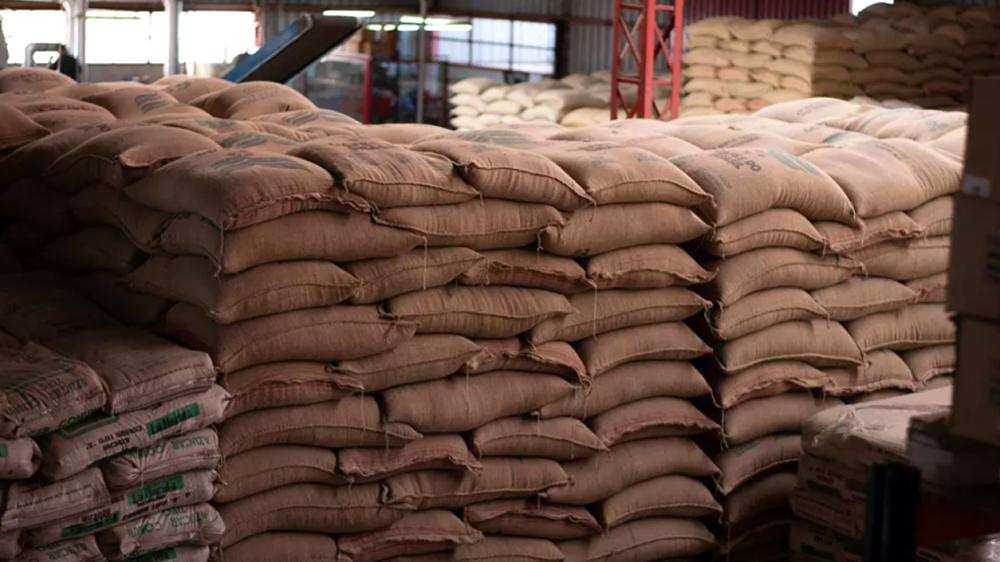
The overall flavor profile of Brazilian coffee is characterized by low acidity and a smooth, full-bodied mouthfeel, often accompanied by nutty, peanut, and caramel aromas. These flavor traits make Brazilian coffee not only an excellent base for blends but also highly enjoyable as a single origin. These distinctive qualities are closely tied to Brazil’s geography and processing methods.
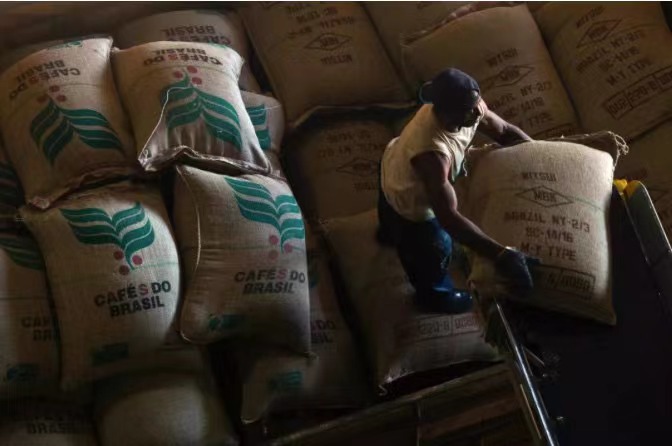
As one of the world’s largest producers of Arabica coffee, Brazil’s coffee harvest has a profound impact on the international market. In bumper crop years, its output can account for over 30% of the global Arabica total. However, in recent years, due to factors such as climate change, frequent extreme weather, a weak U.S. dollar, rising energy prices, and many farmers shifting to energy crops like corn, coupled with increased domestic coffee consumption driven by the pandemic, the supply of Brazilian coffee beans has become increasingly tight.
Generally speaking, the flavor potential of coffee beans is closely related to the altitude at which they are grown. The higher the altitude, the greater the diurnal temperature variation, resulting in slower fruit growth that contributes to denser beans and more complex flavor layers. However, compared to other high-altitude coffee-growing regions in Central and South America, Brazil’s coffee plantations are generally at lower altitudes and feature relatively flat terrain without distinct microclimates or shaded environments. As a result, the aroma profile of Brazilian coffee is less pronounced than that of other regions. Nevertheless, high-quality Brazilian coffee can still showcase nutty, chocolatey notes, and a balanced acidity-bitterness profile; lower-quality beans may exhibit off-flavors such as woody or earthy notes.

The most common processing methods for Brazilian coffee include natural (sun-dried) and washed, while honey processing is a distinctive technique developed in Brazil during the 1990s. Initially, Brazil predominantly used traditional natural processing, but to improve quality, the honey process was gradually developed. It’s important to note that while this method is similar to washed processing, it has key differences. The Brazilian honey process involves: first using water tanks to remove floaters and defective beans, then removing the skin and part of the pulp, followed by a short fermentation in water for about one hour. Due to the brief fermentation time, some mucilage remains on the bean surface, after which the parchment-covered beans are dried on African raised beds under the sun.
Some readers may wonder how this differs from washed processing. Simply put, the soaking time in honey processing is much shorter than in traditional washed processing, so the mucilage is not completely removed. This results in a faster drying stage and reduces the risks of over-fermentation and mold. Additionally, compared to traditional natural processing, honey processing significantly reduces water usage, improves processing efficiency, and enhances quality consistency—making it a uniquely Brazilian solution adapted to local conditions.
Among the offerings of a well-known coffee brand, two standout Brazilian single-origin beans—Cerrado and Fazenda Rainha—are particularly noteworthy. The Cerrado beans, grown at an altitude of around 1,000 meters in the mid-western highlands of Minas Gerais, are known for producing premium beans with a rich mouthfeel and clean flavor. After medium-to-dark roasting, these beans typically present layers of nuts, peanuts, cream, cocoa, and caramel, delivering an overall balanced and smooth profile that is ideal for everyday drinking or as a blend base.
Fazenda Rainha is located in the Mogiana region at altitudes between 1,400 and 1,950 meters near southern Minas Gerais. This area consists of numerous small and medium-sized family farms that combine modern agricultural techniques with traditional mountain farming culture to produce high-quality beans. Cupping reveals a sugarcane-like sweetness. After medium-to-dark roasting, the flavors transform into roasted nut, peanut butter creaminess, and the mellow sweetness of brown sugar—making it a must-try for coffee lovers who enjoy bold, rich flavors.
For brewing Brazilian coffee, it is recommended to use a Kono filter to enhance the full-bodied mouthfeel. The design of the Kono filter features ribs that extend only about one-third down the filter, with the rest being smooth. When the filter paper adheres tightly to the filter, it reduces air circulation and slows the water flow, creating an immersion-like extraction effect that helps boost the coffee’s body and smoothness.
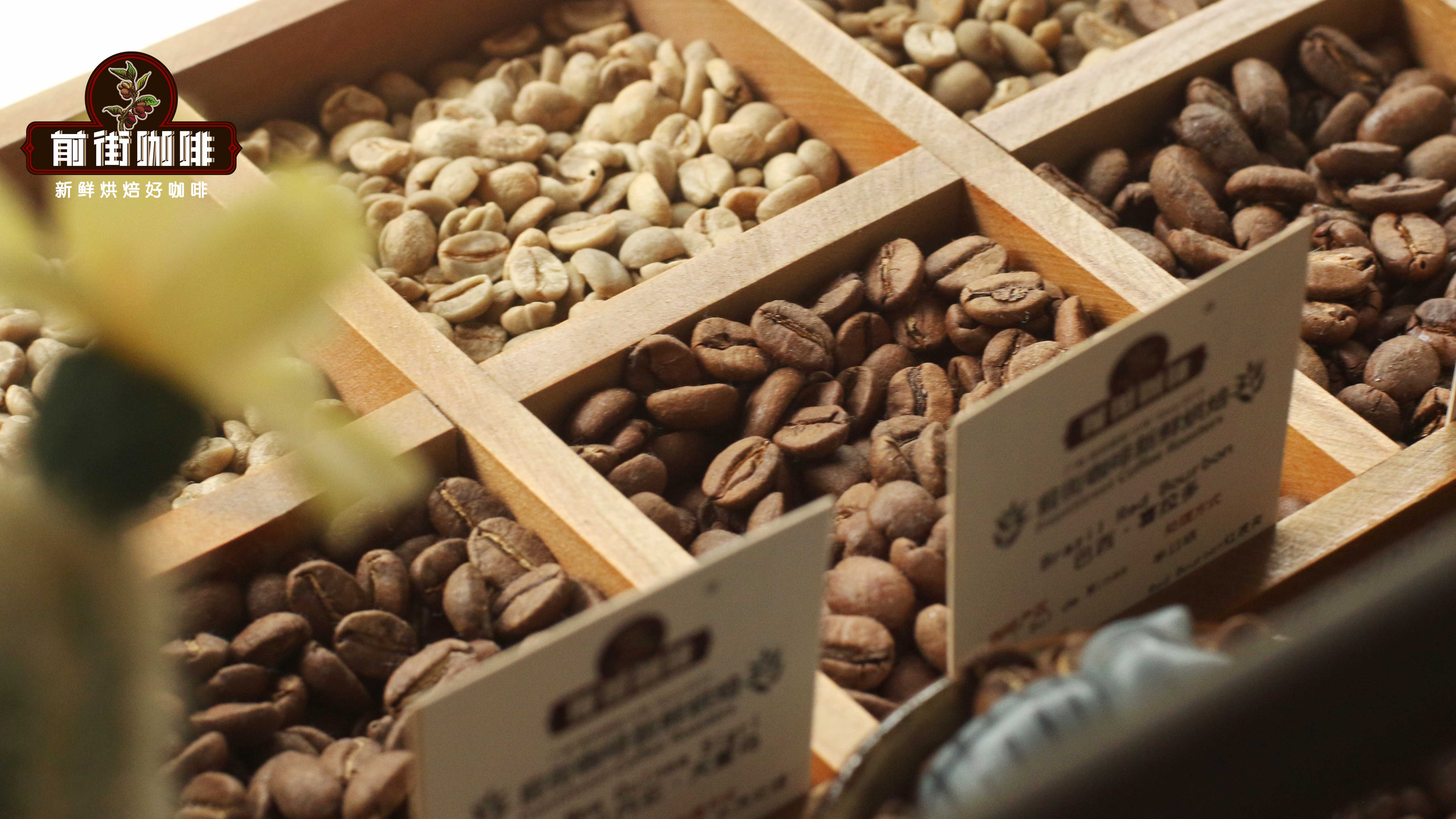
For actual brewing, a medium-coarse grind size (about 70% extraction rate using a Chinese No. 20 standard sieve) is recommended, with water temperature controlled at 88–89°C and a coffee-to-water ratio of 1:15. The brewing process is suggested in three stages: start with a 30-second bloom using 30 grams of water, then pour in a slow circular motion until reaching 125 grams for the first pour. Once the water level drops slightly, continue pouring to 225 grams to complete the extraction, with a total brew time of about 2 minutes. This method effectively highlights the rich body and sweetness of Brazilian coffee, making it ideal for those seeking balance and layered flavors.
The above content is compiled by CoffeeHunters, a coffee news website.


