







Introduction:Honey-processed coffee is renowned for its distinctive sweetness and fruity flavors, originating in Costa Rica and gradually becoming a favorite in the specialty coffee market. This article takes a Colombian Hope Estate Geisha launched by a certain coffee brand as an example to deeply analyze the historical background of honey processing, the differences between various color types, and the reasons for their development. It also provides practical V60 three-stage pour over recommendations, including dosage, grind size, water temperature, and pouring rhythm, to help you grasp the charm of honey-processed coffee.
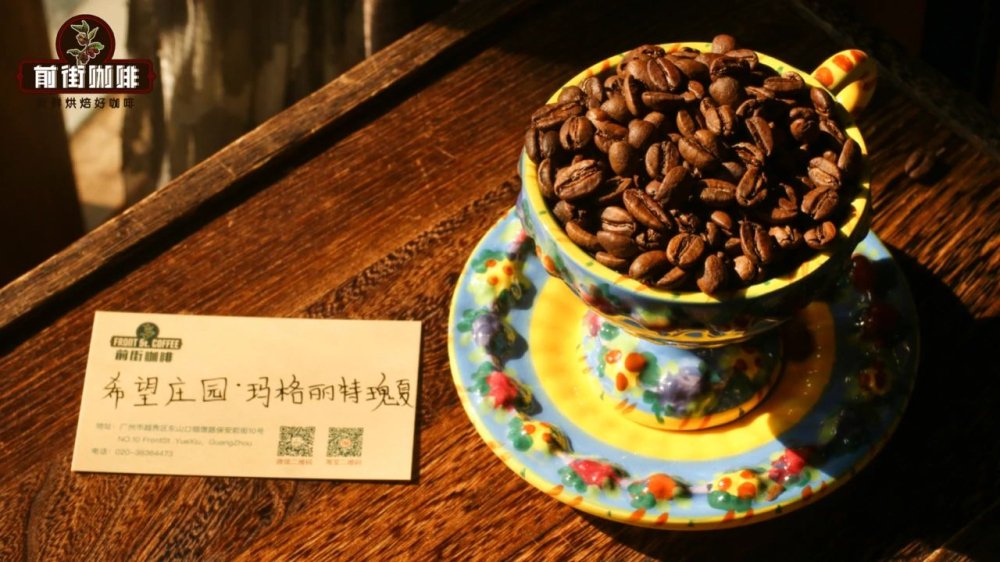
When it comes to coffee with noticeable sweetness and rich fruity aromas, many people first think of honey processing or natural sun-dried methods. To offer a rounder, more juice-like option in regular coffee menus, many coffee shops retain at least one honey-processed batch, such as a Colombian Hope Estate Geisha recently introduced by a certain coffee brand. These beans from high-altitude regions, processed using the honey method, emit a strong rose aroma, with outstanding sweetness, and are quite popular among consumers. How exactly does honey processing enhance sweetness without adding any actual honey?
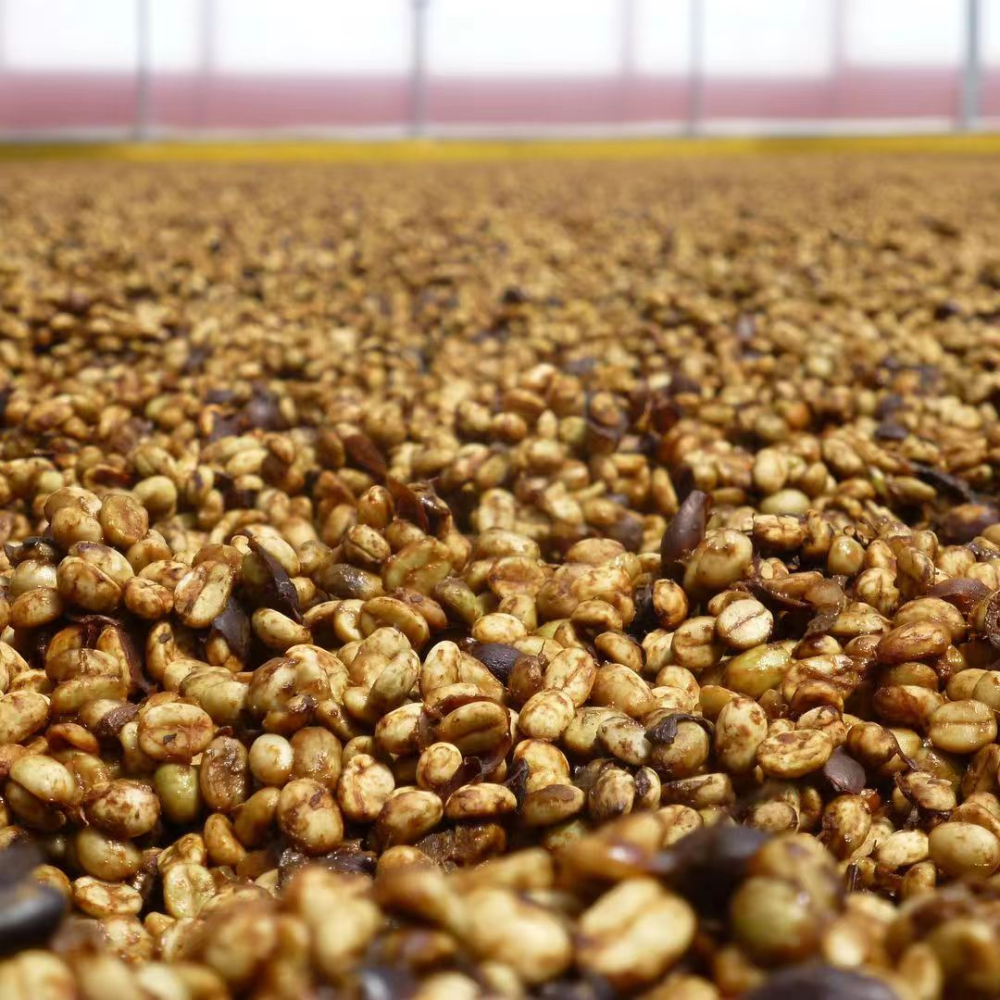
 The term "honey process" (also known as miel process) does not actually refer to the addition of real honey, but originates from the Spanish word "miel," meaning "honey" or "mucilage." This term was initially used by coffee farmers in Costa Rica to describe the practice of removing the outer skin and some of the fruit pulp from the coffee cherry while deliberately leaving the sticky mucilage layer on the surface of the bean. This sugar-rich mucilage ferments together with the bean during drying, imparting a richer sweetness and fruity character to the coffee.
The prototype of honey processing can be traced back to Brazil's Pulped Natural (semi-washed) method, which aimed to reduce water consumption. Between 1997 and 2000, due to the low international coffee prices, many coffee farmers in Costa Rica began processing their own coffee to gain higher profits, prompting them to experiment with more diversified processing methods. Honey processing emerged in this context.
 In 2006, Costa Rican farmer Juan Ramón Alvarado won both the gold and silver awards in the SCAA’s GOLDEN HARVEST green coffee competition with two honey-processed coffees, drawing significant industry attention. The following year, at the first-ever Costa Rican CoE (Cup of Excellence) competition, three out of the top five coffees were honey-processed, demonstrating its potential and market acceptance. In 2008, a major earthquake in Costa Rica caused power and water outages in many areas, making honey processing—which significantly reduces water usage—an emergency solution for many farms. It gradually evolved into different flavor variations through varied processing techniques.
Depending on the proportion of mucilage retained and the drying method, honey processing is further categorized into black honey, red honey, yellow honey, and white honey. These names are not officially standardized but are instead named by producers based on the final bean color and degree of fermentation. Generally speaking, the more mucilage retained, the longer the drying time, and the higher the oxidation level, the darker the appearance of the beans, and the more pronounced the fermentation notes and sweetness in flavor. For example, black honey often exhibits syrupy, chocolatey, and dark berry profiles, while yellow honey is closer to the washed process, with brighter acidity and a cleaner, crisper sweetness.
It’s worth noting that the color of these honey-processed beans changes over the course of oxidation and fermentation, gradually shifting from initial yellowish-white to golden, and even deep red or purplish-black. While darker colors don’t always indicate stronger flavors, black honey and red honey tend to be closer to natural sun-dried processes, offering more complex layers and sweetness, whereas white honey and yellow honey are closer to the clean and bright acidity of washed coffees.
The drying time for honey processing typically ranges from 2 to 4 weeks, depending on weather conditions, altitude, and mill facilities. Compared to the washed process, honey processing can save approximately 40% of water resources while reducing over-fermentation and defective flavors caused by prolonged intense sunlight. Overall, honey-processed coffee often presents fruity sweetness, delicate acidity, and captivating floral notes, with a relatively balanced and layered flavor profile, making it highly favored in the specialty coffee market.
After learning about the story behind honey processing, let’s now take a look at how to use the pour over method to fully showcase the potential of a Geisha honey-processed bean. Below are the V60 three-stage pour over parameters recommended by a certain coffee brand, suitable for this Colombian Hope Estate Geisha:
- Coffee dosage:15 grams
- Grind size:Ek43 grinder at setting 9.5, equivalent to fine sugar texture with 80% extraction rate through a #20 sieve
- Brew ratio:1:15
- Water temperature:92°C
- Filter dripper:V60
- Brewing method:Three-stage
First is the blooming stage: pour about twice the coffee dosage in water (around 30 grams), and bloom for 30 seconds. This Hope Estate Geisha shows good water absorption, with the beans visibly expanding on the surface, indicating high liveliness.
After blooming, move on to the first pour: pour water in a circular motion from the center outward until the entire coffee bed is wet, then gradually expand the circle. Use slightly faster water flow to lift the coffee bed, aiding subsequent flavor development. Total water volume for this stage is about 130 milliliters.
Once the water has mostly drained, switch to a slower, finer stream, pouring in small circles focused on the center. Slowly add the remaining 65 milliliters of water. Finally, let it drain completely before serving.
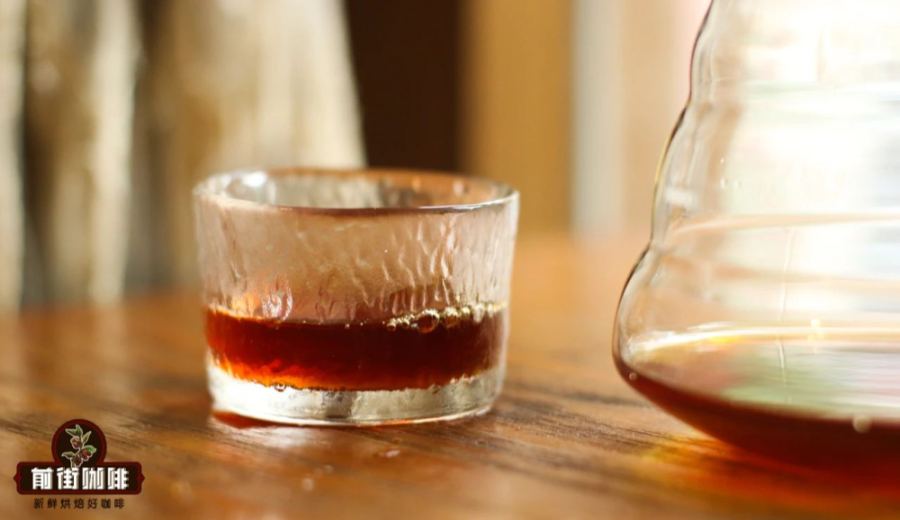
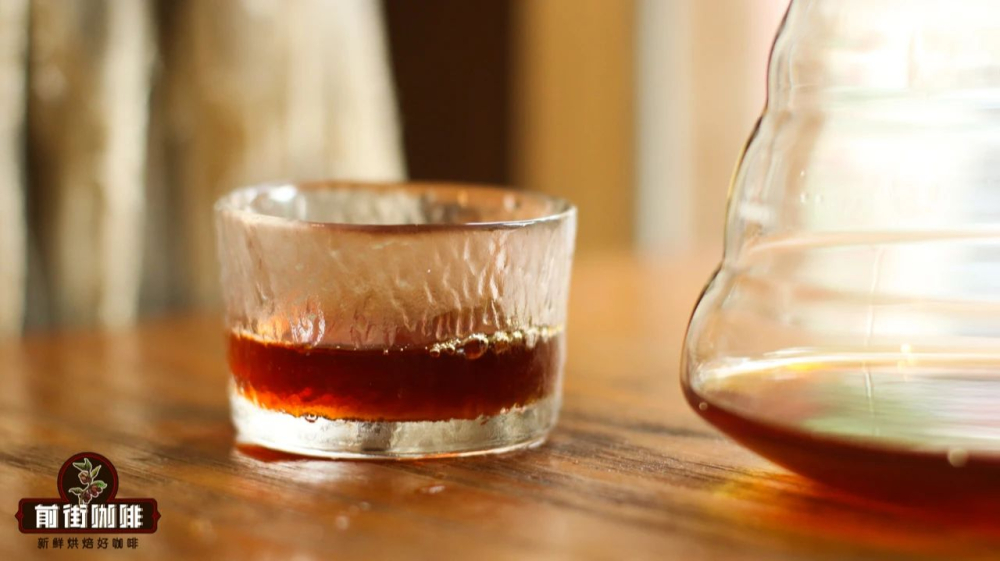
Using these parameters, the brewed Hope Estate Geisha exhibits a rich blackcurrant juice character, with bright fruit notes of blueberry and orange, along with subtle layers of black plum and red wine. The acidity is vibrant yet not sharp, the sweetness is full and long-lasting, and the finish delivers delicate floral notes and a lingering aftertaste—a truly outstanding honey-processed Geisha.
The above content is compiled by CoffeeHunters, a coffee news website.


