







Introduction:Delve into the diverse flavors and regional characteristics of Kenyan coffee, from the smallholder farming environment above 1,400 meters in altitude, to the classic SL28 and SL34 varieties, as well as the unique Kenyan-style 72-hour washed process (K72). This article also covers the less common traditional natural process, analyzing its historical background and flavor potential. By comparing different producing regions and processing methods, it helps coffee enthusiasts master the brewing essentials and flavor identification techniques for Kenyan coffee.
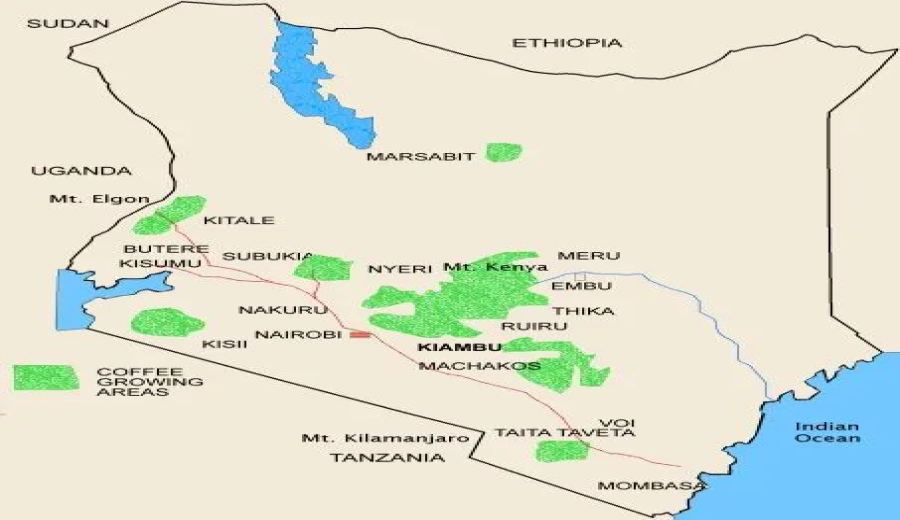
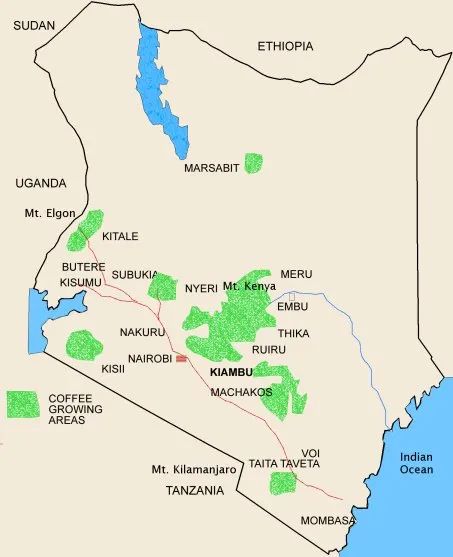
Kenyan coffee holds a significant place in the global specialty coffee market, renowned for its bright acidity, complex layers, and distinctive fruity notes. The country is divided into 47 counties, with most coffee grown in highland areas ranging from 1,400 to 2,000 meters above sea level, particularly around Mount Kenya and the Aberdare mountain ranges. These regions are home to nearly 700,000 smallholder farming families, each cultivating on average less than one hectare, alongside a smaller number of larger estates (averaging 30–40 hectares, some spanning hundreds of hectares), which together form the main supply of Kenyan coffee.
The main coffee harvest seasons in Kenya are divided into two phases: the primary season runs from October to January of the following year, while the secondary season (commonly referred to as the fly crop) occurs from April to June. Production is concentrated in central regions including Nyeri, Muranga, Kirinyaga, Meru, Embu, Kiambu, and Thika, as well as western regions such as Kericho and Kisii. Among them, Nyeri is known for its fruit-forward profile, often exhibiting notes of white grape, grapefruit, and cherry tomato, with sweetness akin to caramel; whereas Embu’s coffee showcases a more balanced profile of citrus, chocolate, and apple tones, with softer and layered acidity.
A wide variety of coffee cultivars are grown in Kenya, among which SL28 and SL34 are the most iconic traditional varieties, beloved for their vibrant acidity and unique fruity aromas. Additionally, Ruiru 11, Batian, and K7 are later-developed disease-resistant varieties, primarily aimed at increasing yield and resistance to leaf rust. Generally, the higher the altitude, the more likely the coffee is to exhibit bright acidity and complex aromas, hence high-altitude-grown beans are often considered premium-grade raw materials.
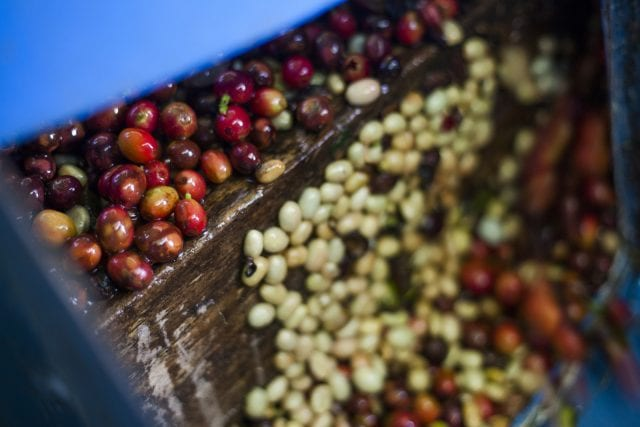
The most renowned processing method for Kenyan coffee is the unique “72-hour washed process” (also called K72). This technique emphasizes precision and patience: on the day of harvest, only the highest-quality coffee cherries are selected, the outer skin is removed, and the first 24-hour fermentation takes place, followed by a thorough rinse with clean water. This is then repeated for a second fermentation and rinse, cycling three times in total, accumulating a total fermentation and washing time of 72 hours. This process is usually carried out in a low-temperature environment, helping to develop extremely clean, bright, and full-bodied flavor characteristics. In actual tasting, one can often perceive a strong contrast between acidity and sweetness, along with a long-lasting aftertaste—for example, certain batches exhibit intense tomato and berry aromas, with an aftertaste that lingers with the sweetness of blackcurrant.
In addition to the washed process, a small amount of Kenyan coffee is processed using the traditional natural method, which, although rarer in the market, possesses unique charm. Such processing methods are typically found only in limited edition projects by specific green coffee traders, due to high labor costs and greater risk. Among these, natural-processed coffee made from Mission Bourbon variety is particularly noteworthy—this Bourbon originates from the original strain introduced to Kenya by French missionaries between 1892 and 1893, without any modern scientific modification, thus retaining the purest genetics and flavor traits. During the natural drying process, the coffee cherries gradually dry in the sun, solidifying the already rich acidity while accumulating intense sweetness and complex aromatic layers.
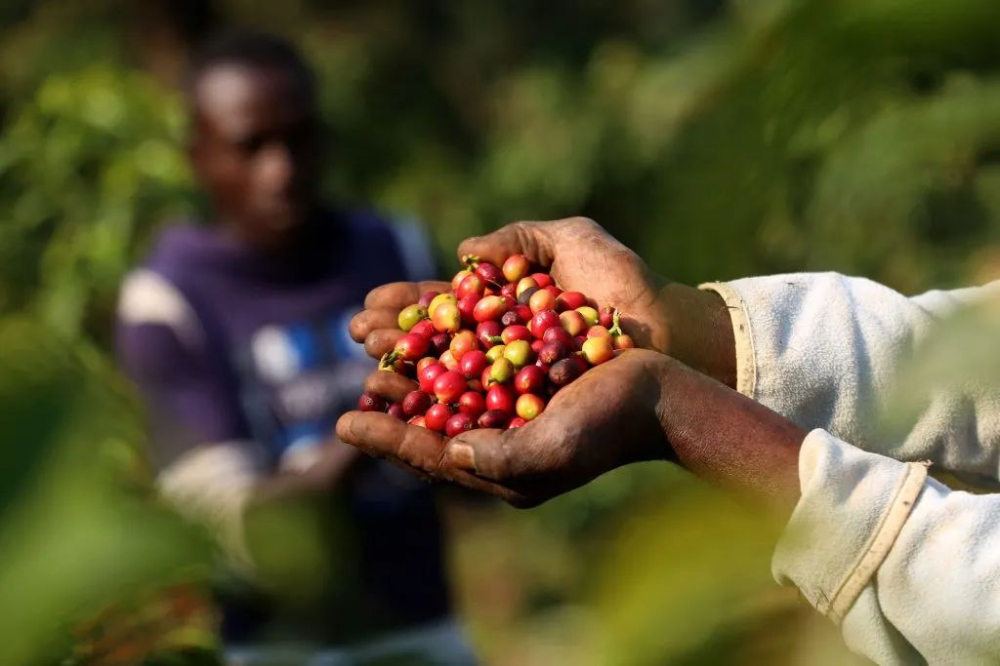
Although this natural-processed coffee may not be as refined in terms of defect rate or bean appearance compared to washed beans due to its micro-lot nature, its flavor performance is astonishing. The dry fragrance reveals distinct notes of dried fruit and vanilla, while brewing releases caramel, mixed fruits, and intense berry tones, with an aftertaste that carries the floral scent of jackfruit and coffee blossoms. Overall, it presents the wild and profound characteristics of African flavors, suitable for slow sipping to appreciate its transitions and layers.
Below are detailed profiles of two representative Kenyan coffees for readers’ reference and comparison:
- Kenya Haneya Estate French Mission Bourbon (Natural)
Country: Kenya | Region: Thika | Processing Farm: Chania Estates | Altitude: 1,525 meters | Variety: French Mission Bourbon | Process: Natural - Kenya Cherry Tomato AA TOP Premium 72-Hour Washed
Country: Kenya | Region: Thika | Processing Farm: Asali Honey Processing Factory | Altitude: 1550–1750 meters | Soil: Volcanic soil | Grade: AA TOP | Variety: SL-28, SL-34 | Process: 72-Hour Washed
One of the charms of Kenyan coffee lies in its bright acidic brightness, especially when lightly roasted, often showcasing vivid flavors of tomato and berries. However, over-roasting or under-roasting can easily result in grassy or sour notes. It is recommended to master moderate roasting to bring out its delicate fruity notes and balanced acidity and sweetness. For brewing, whether washed or natural, it is advised to use water at 91–93°C to fully highlight its aroma and layers. Washed beans are suitable for emphasizing acidity and fruity notes, and are recommended to be ground finely; natural beans can be slightly coarser to highlight their sweetness and fermentation characteristics. Mastering these key points will allow you to more fully experience the unique flavor world of Kenyan coffee.
The above content is compiled by CoffeeHunters, a coffee news website.


