







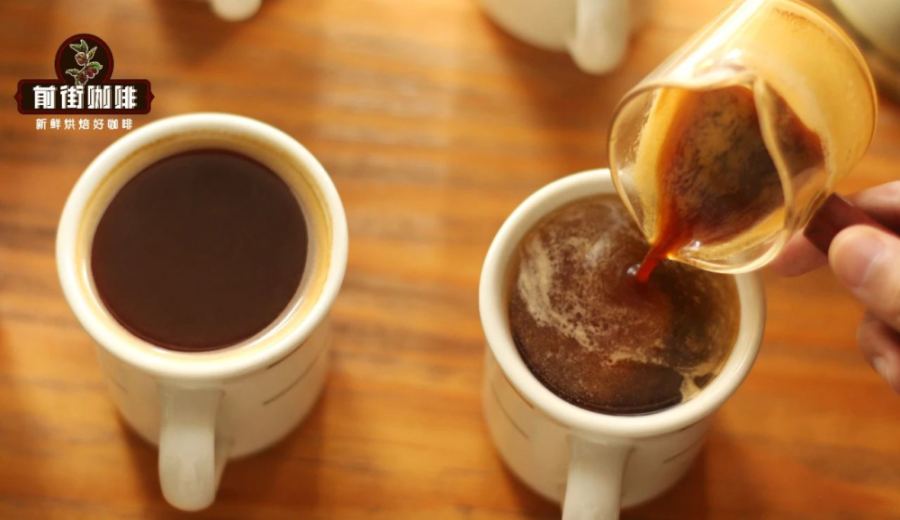
Introduction:Many coffee enthusiasts wonder why some Americanos can exhibit such captivating nutty and chocolatey aromas. This is actually closely related to the extraction techniques of espresso, the blending methods of coffee beans, and the degree of roast. This article will explain the principles of espresso extraction in an easy-to-understand way, analyze how the coffee-to-water ratio affects flavor, and explore the flavor differences brought by various blending strategies — helping you better understand every cup of Americano in your hand.
Americano may seem like just diluted espresso, but the knowledge behind it is far more complex than it appears. Why can some Americanos deliver the enticing aromas of nuts and chocolate? The key lies in the selection of coffee beans, the blending ratio, and the extraction method of espresso. Understanding these factors not only enhances your ability to discern coffee flavors but also helps you find a coffee combination that better suits your taste.
The origin of Americano can be traced back to World War II. At that time, American soldiers stationed in Italy were not accustomed to the strong local espresso. To recreate the familiar drip coffee taste from back home, they began adding hot water to their espresso. Although this practice was not favored by traditional European coffee lovers, it gradually evolved into the widely popular Americano we know today. Interestingly, the term “Americano” carries a hint of cultural teasing.
The basic composition of Americano is very simple: it’s a mixture of hot water and espresso, with common ratios ranging between 1:4 and 1:8.However, the final flavor is almost entirely determined by the espresso itself. In the early days, the flavor options of espresso were limited, and the taste was often quite intense. To make the coffee more palatable, milk-based drinks like lattes and cappuccinos emerged and were collectively referred to as espresso-based beverages.
So, how should Americano be consumed correctly? There is actually no absolute standard. Most professional baristas suggest adjusting according to personal taste — the most important thing is that it tastes good to you. Some prefer the pure experience of black coffee, while others enjoy the milder taste after adding water. The reason Americano offers such diverse flavors is that it directly reflects the essence of the espresso liquid, which in turn is deeply influenced by the type of coffee bean, the blending method, and the extraction parameters.
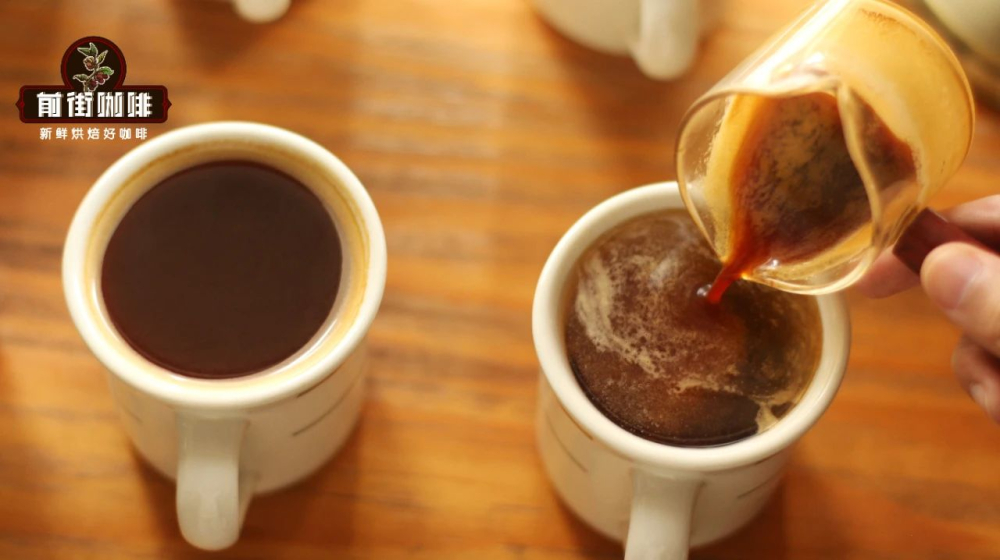
There are two main ways to make Americano on the market: one is to directly add hot water to espresso, and the other is to adjust the concentration after brewing via traditional drip filtration. However, most coffee shops around the world commonly adopt the former method — that is, diluting espresso with water. This approach is not only stable but also better showcases the layered characteristics of the coffee itself.
So, how is espresso extracted? The key lies in the working principle of the espresso machine. Generally speaking, the machine transforms coffee grounds into liquid coffee through four main stages: water source, pump, boiler, and group head. The water source can be an internal water tank or a direct connection to a stable municipal water supply, depending on the usage scenario of the machine.
During the extraction process,the pump is the key component that drives water through the tightly packed layer of coffee grounds.Early espresso machines used manual lever pressure, whereas modern models generally employ electric pumps. Among them, vibration pumps push water at a frequency of about 60 times per second, featuring a simple structure and easy maintenance; rotary pumps, on the other hand, are mechanical and can provide more stable pressure output, mostly used in commercial machines.
The boiler not only heats the water but also maintains the stability of the brewing temperature. Depending on the design, the commonly seen espresso machines on the market are divided into single-boiler and dual-boiler types. Dual-boilers can separately control the pressure for extraction and steam, making them suitable for coffee shop environments that need to produce both espresso and milk foam simultaneously.
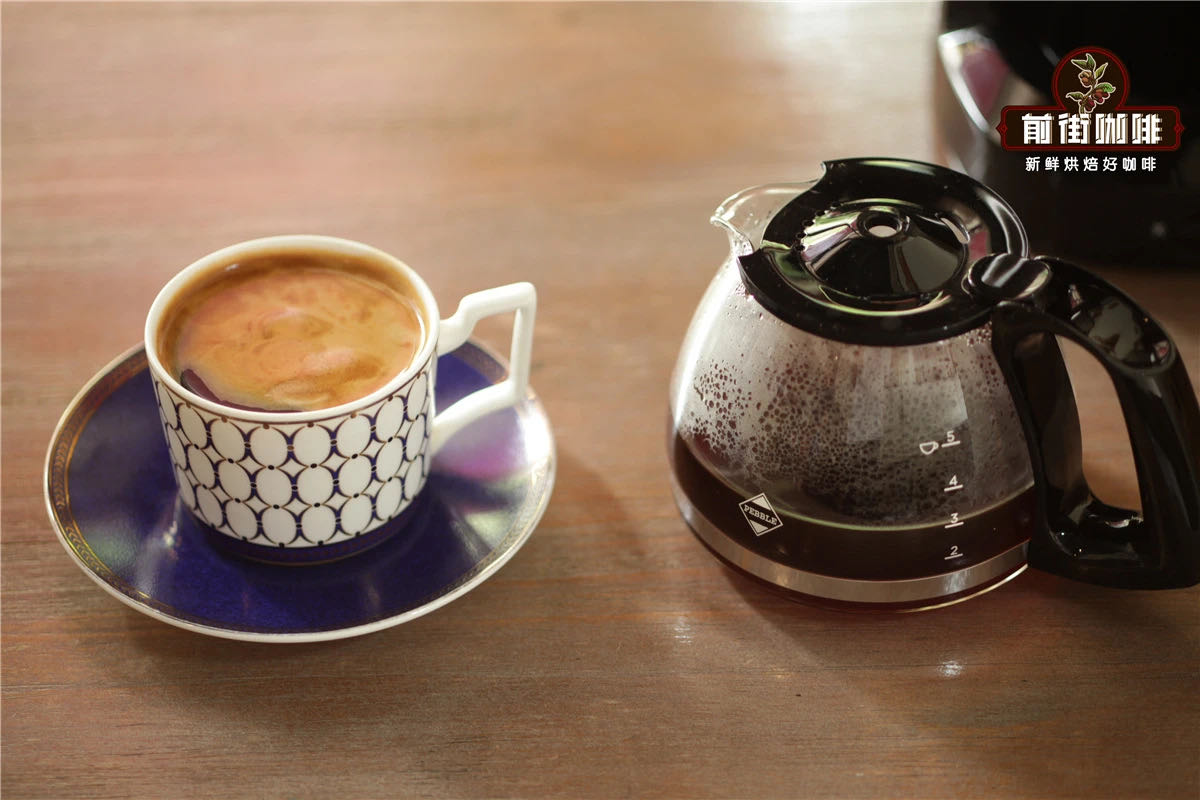
Another key factor influencing the flavor of Americano is the blending strategy of coffee beans. Many coffee shops, in pursuit of rich crema and balanced taste, will include a certain proportion of Robusta beans in their blends. But if high-quality Arabica blends are chosen — for example, combinations primarily consisting of Brazilian and Colombian beans — it’s easier to achieve nutty, caramel, and soft chocolatey flavor profiles, suitable for pairing with hot milk or enjoying on their own.
If you prefer a richer, oilier mouthfeel, you might consider using a multi-origin blend that’s dark roasted, such as a mix of Brazilian, Indonesian, and Vietnamese beans. These combinations, after being dark roasted, can showcase a thick, bold body and solid crema. Whether used for making Americano or latte, they can deliver a full-bodied taste experience.
It’s worth noting that the standard extraction parameters for espresso typically involve 20 grams of coffee grounds yielding about 36 grams of espresso liquid, with an extraction time of approximately 25 to 30 seconds. However, as the coffee-to-water ratio and equipment conditions vary from shop to shop, actual parameters need to be flexibly adjusted based on the grinder, espresso machine, and characteristics of the coffee beans in use. Experienced baristas usually rely on sensory evaluation to make fine adjustments.
In summary, the flavor mystery of Americano is actually hidden within each cup of espresso. From the selection of coffee beans and the blending ratio, to the coffee-to-water ratio during extraction, pump pressure, and temperature control — every step influences the final taste. Understanding these basic principles not only allows you to better appreciate the subtle variations in coffee but also gives you more direction when choosing your coffee.
The above content is compiled by CoffeeHunters, a coffee news website.


