







Introduction:Anaerobic natural and traditional natural both originate from sun drying, yet they produce distinctly different flavor profiles due to differences in fermentation environments. This article dissects each detail of the processing steps, comparing their key differences in drying, fermentation, and quality control, to help you understand why anaerobic processing often delivers intense fruity aromas and rich body. It also provides a real-world pour over case study, analyzing adjustments in grind size, water temperature, and pouring techniques for anaerobic natural coffee, to help you extract more complete layers of flavor.
Coffee processing is one of the key factors that determine the flavor direction of a cup. Among many traditional and innovative methods, natural is the oldest and most widely used, where the fruit dries naturally, imparting richer sweetness and a broad spectrum of aromas to the beans. Anaerobic natural builds on this
In recent years, anaerobic processing has become a focal point in the specialty coffee market due to its pronounced sweetness and fermentation characteristics. For example, an anaerobic natural coffee that has received widespread acclaim often exhibits intense fruit aromas and soft acidity after brewing, with distinct layers of sweetness, thereby attracting the favor of many coffee enthusiasts. This type of processing technique scientifically controls the fermentation process, allowing the coffee beans to demonstrate unique potential from the green bean stage.
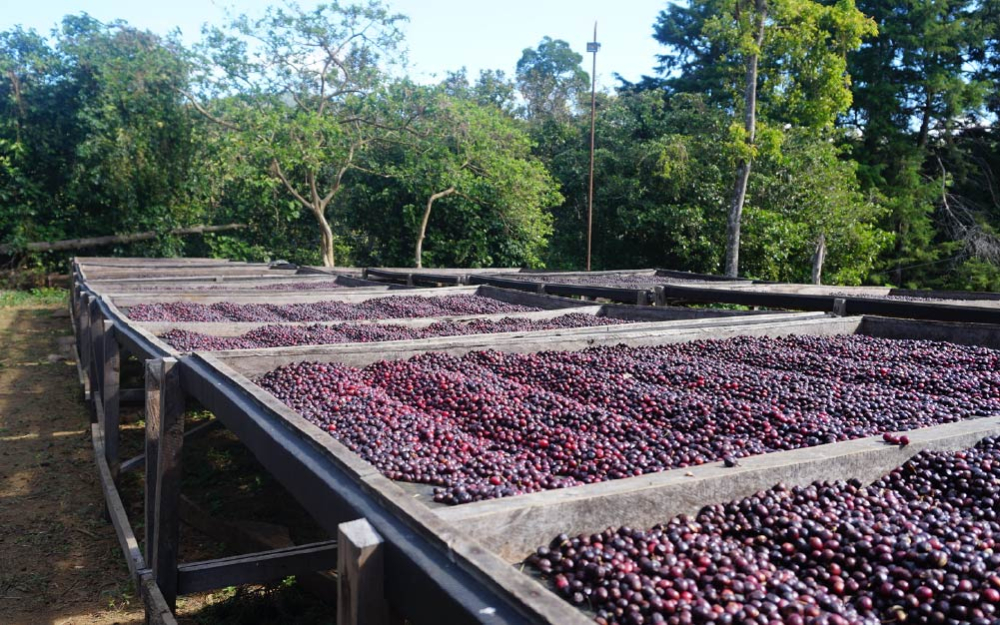
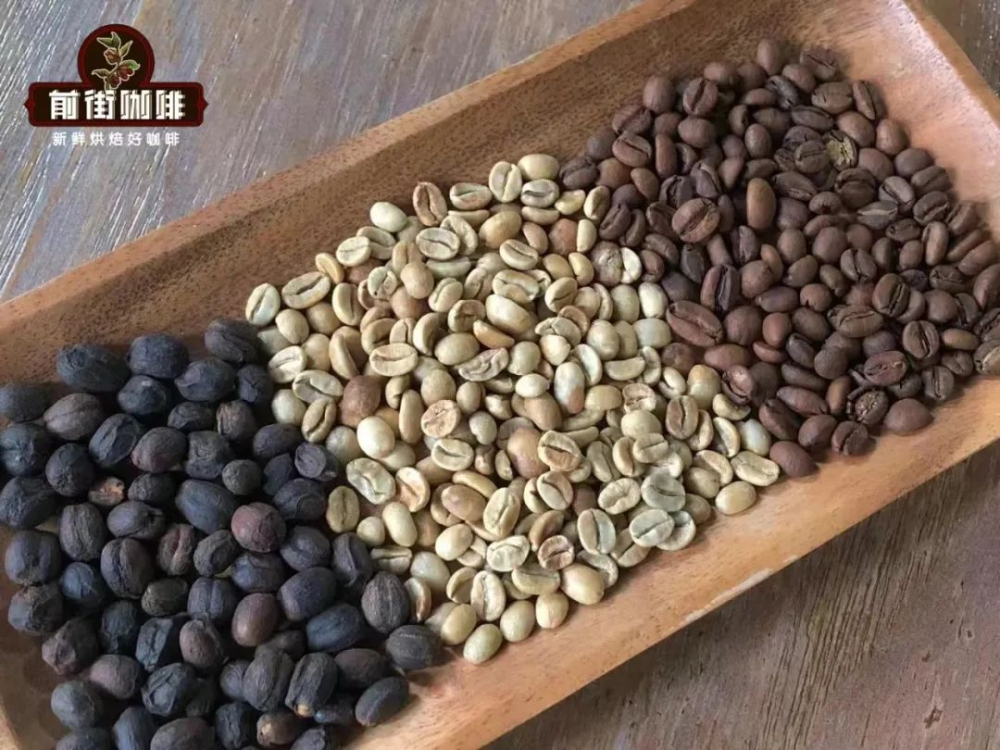
The traditional natural processing method involves sun-drying whole coffee cherries along with their pulp, allowing the seeds to slowly dry while encased in the mucilage and outer skin. This approach has a long history and is relatively simple to execute, primarily relying on stable sunlight conditions for dehydration. Generally, coffee farmers first float the harvested cherries to remove unripe fruits and impurities, then spread them out on raised drying beds to ensure good ventilation and minimize interference from dust and insects. The drying period requires continuous monitoring, with timely removal of moldy or damaged cherries to maintain consistent quality across the entire batch.
During the drying process, since the pulp is not removed, microbes can continue to act within the mucilage, producing abundant esters and other volatile compounds. These substances transform during subsequent roasting stages into floral notes, tropical fruit tones, and even subtle fermented aromas. This is why many high-quality natural beans, such as Yirgacheffe Red Cherry and Panamanian Geisha, can present such diverse and captivating flavor profiles.
In contrast, anaerobic natural processing introduces a sealed environment during the fermentation stage, creating more stable fermentation conditions by controlling oxygen supply and temperature. The common practice is to place freshly harvested coffee cherries in airtight containers, such as stainless steel tanks, and undergo anaerobic fermentation at low temperatures (around 10 to 15°C) for at least three days. This environment suppresses oxygen-involved oxidation reactions, slowing down the breakdown of mucilage and making pH changes more gradual. As a result, the fermentation process becomes slower and more prolonged, helping to generate more sweetness precursors.
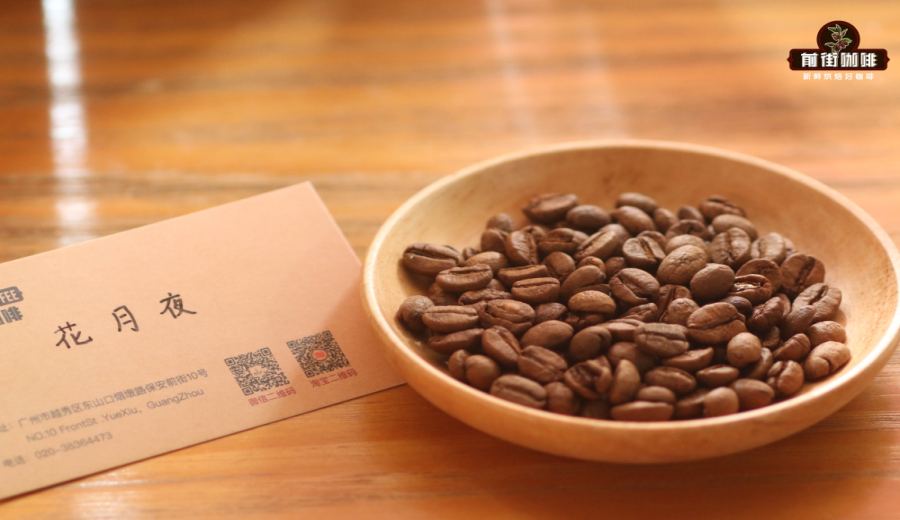
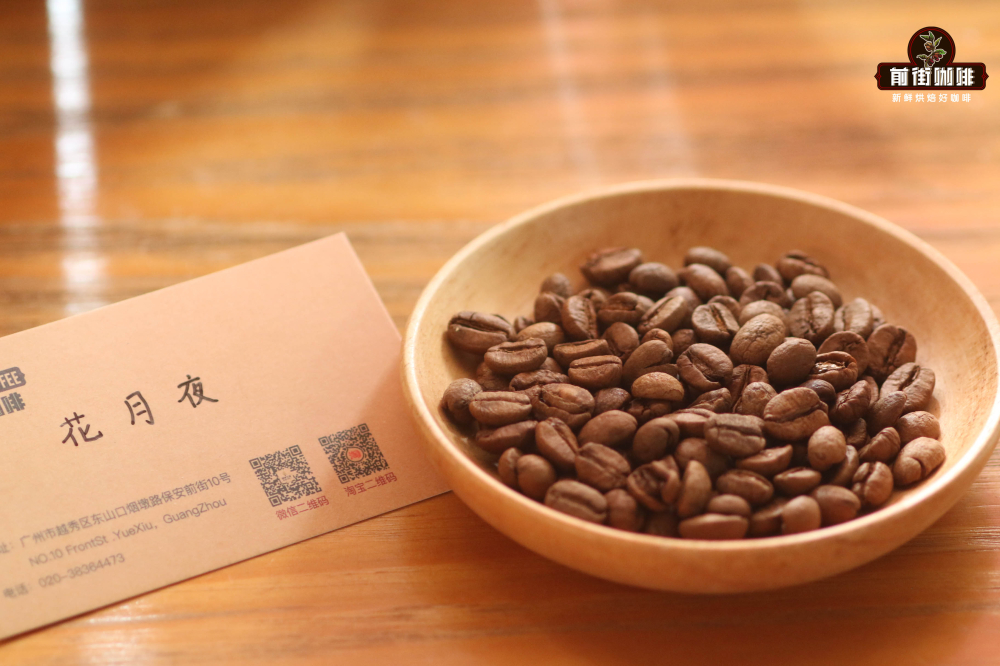
Only after the fermentation reaches the intended stage are the coffee cherries taken out for subsequent sun drying. This technique not only extends the interaction time between the mucilage and the seeds but also retains more of the natural sugars from the pulp, thereby imparting the coffee beans with richer ripe fruit aromas and a fuller body. Take Colombia’s Huayueye as an example. This bean, processed using anaerobic natural methods, ultimately delivers intense berry and fermented aromas, along with a winey chocolate-like aftertaste, making it highly popular among pour-over enthusiasts.
However, anaerobic processing also presents challenges for subsequent extraction. Since the fermentation process alters the cellular structure of the seeds, the coffee grounds become more easily penetrated by water during brewing. Using overly coarse grind sizes or excessively high water temperatures can easily lead to under-extraction, preventing the originally rich fruit aromas and sweetness from fully manifesting. Therefore, adjusting grind size and water temperature becomes key when dealing with these beans.
In practice, it is recommended to use a Chinese No. 20 standard sieve with a 0.85mm mesh to test grind fineness. For medium-light roasted anaerobic natural beans, such as Huayueye, due to the relatively loose bean texture and high water absorption, it is suggested to adjust the grind setting to 9.2 to 9.5 (taking the EK43s as an example) to ensure sufficient contact time between coffee and water, thereby extracting complete aromas and sweetness. At the same time, the water temperature is advised to be set around 90°C, as excessively high temperatures can release too many bitter and astringent substances, which may mask the delicate fruit and floral notes.
In terms of coffee-to-water ratio, using 1:15 as a baseline—15 grams of coffee grounds to 225 grams of water—helps balance concentration and flavor expression. It is recommended to employ a three-stage pouring method: the first stage involves pouring 30 grams of water for a 30-second bloom to ensure the coffee grounds fully expand and degas; the second stage uses a steady stream to pour 100 grams of water, raising the bed height; the final stage employs a small stream in circular motions to pour 95 grams of water, avoiding over-extraction or uneven extraction.
The total drip time is approximately 1 minute and 50 seconds. At this point, remove the filter and gently swirl the coffee in the server to enjoy a coffee experience filled with berry sweetness, winey chocolate aftertaste, and rich fermented characteristics.
The above content is compiled by CoffeeHunters, a coffee news website.


