







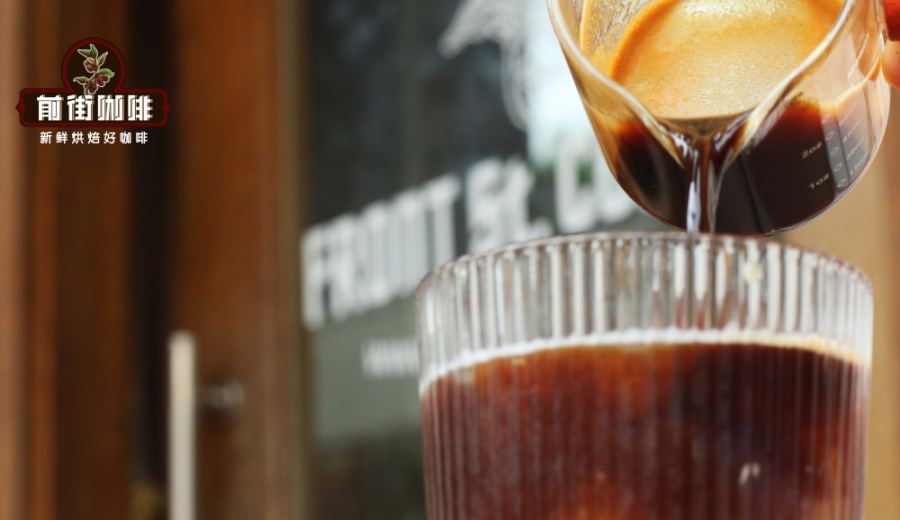
Introduction:In recent years, SOE (Single Origin Espresso) has become increasingly common in cafés, but many people mistakenly believe it is inherently more premium or expensive than blended espresso. This article delves into the definitions, characteristics, and ideal use cases of SOE and blended espresso, and explores why not every single-origin bean is suitable for espresso. Additionally, we provide flavor profiles of several practical blended beans to help coffee enthusiasts make more informed choices based on personal preference.
In today’s era of growing specialty coffee popularity, SOE (Single Origin Espresso) has become a staple on many café menus. However, many assume that any SOE automatically signifies high quality or a higher price point, or that it is superior to blended espresso — an impression that isn’t entirely accurate. In reality, both SOE and blends have their pros and cons, and the key lies in the beans’ processing methods, roast profiles, and final extraction presentation.
The concept of SOE emerged internationally around 2007 and matured after 2010, gaining widespread popularity in regions such as Taiwan and Hong Kong in the past two years. In international coffee competitions like the WBC (World Barista Championship), it’s common to see competitors using single-origin beans to brew espresso, leading many to equate "SOE" with "professionalism." However, this doesn’t mean all single-origin beans are suitable for espresso.
What is SOE — Single Origin Espresso?
Simply put, SOE refers to espresso made from coffee beans sourced from a single origin or even a single farm. For example, if an espresso is blended from Brazilian and Sumatran beans, it falls under the category of a typical blend; but if it uses beans from a specific region such as Yemen or Costa Rica, it can be called an SOE.
Many people assume that SOE must be expensive, but that isn’t necessarily true. As long as the beans deliver outstanding flavor, even a single-origin variety can produce an affordable and delicious espresso. The main advantage of using single-origin beans is their ability to clearly express the terroir characteristics of their origin, such as bright acidity, distinctive floral or fruity notes — which are highly appealing to consumers wanting to explore the intrinsic flavors of coffee.
However, not all single-origin beans are suitable for espresso. First, as agricultural products, the flavor of coffee beans is influenced by factors like annual climate and processing methods, making them less stable than blends. Second, espresso extraction conditions are extremely demanding — requiring very fine grind size, high pressure, and high temperature for rapid extraction — which significantly amplifies the bean’s flavor traits. If a single-origin bean has overly prominent acidity or lacks body, it may result in undesirable flavors like sharp sourness, astringency, or even burnt bitterness in the final cup.
Therefore, if you’re keen to try SOE espresso, it’s recommended to opt for single-origin beans that are "specifically roasted for espresso," or choose beans with medium or darker roasts that offer more balanced flavors to fully realize their potential.
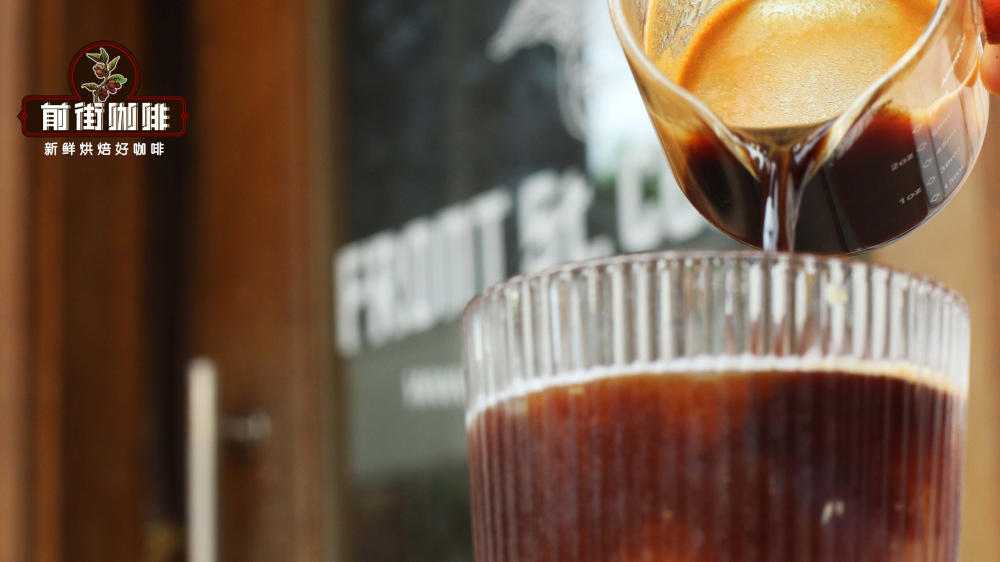
What is Blended Espresso?
Compared to SOE, blended espresso is more commonly found on the market and is the standard choice for most cafés. A blend refers to combining two or more types of coffee beans from different origins in specific proportions and roasting them together, aiming to achieve a harmonious and balanced flavor profile.
The biggest advantage of blended beans is their high flavor stability — they are less likely to fluctuate significantly due to climate variations in a single origin. Moreover, through blending techniques, roasters can adjust the ratio of acidity, sweetness, and bitterness to suit the characteristics of espresso, resulting in a richer, fuller-bodied taste with pronounced sweetness and reduced potential for overly sharp acidity or monotony.
Many classic espresso flavor profiles — such as deep-roast chocolate notes, intense caramel aroma, and bold nutty finishes — often come from carefully crafted blend recipes. Therefore, for those prioritizing flavor balance, everyday drinking, or high-volume production, blended espresso remains a solid and reliable choice.
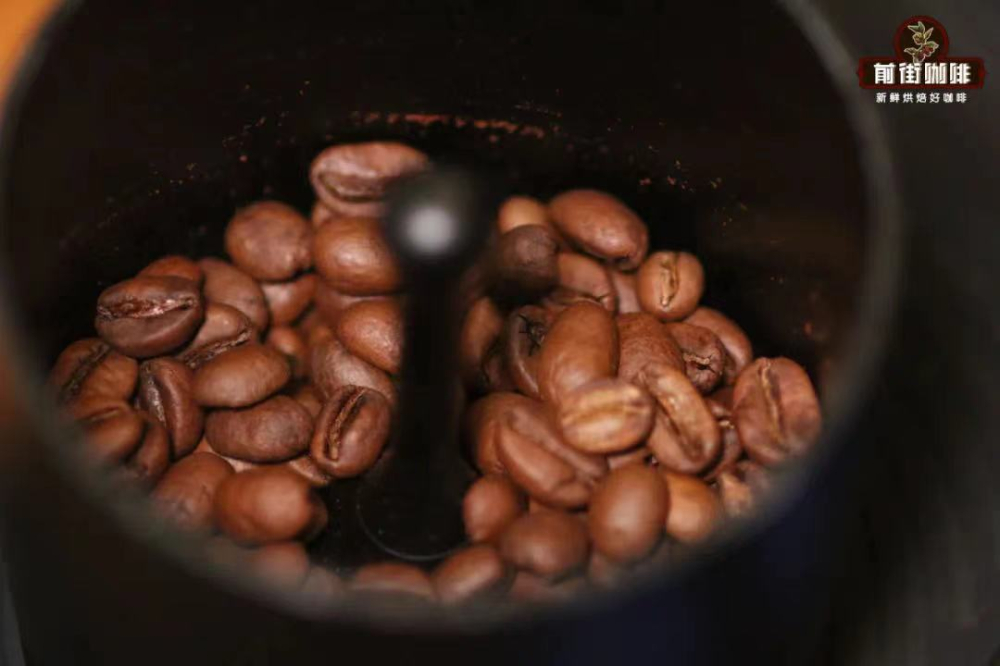
Practical Blended Bean Flavor Profiles
Below are some common and representative flavor characteristics of commercial espresso blends for your reference when selecting:
The “Warm Sun Blend” consists of 30% Ethiopian natural red cherry and 70% Honduran sherry cask beans, delivering layers of rich wine aroma, vanilla cream, fruity acidity, and toasted nuts — ideal for consumers who enjoy fruity and wine-like notes.
The “Premium Blend” uses 30% Colombian washed beans and 70% Brazilian semi-washed beans, with a flavor profile centered around nuts, dark chocolate, and caramel, offering a smooth and well-balanced cup overall.
The “Commercial Blend” combines 10% Robusta washed beans, 30% Colombian washed beans, and 60% Brazilian semi-washed beans, producing distinct notes of nuts, cocoa, and caramel — suitable for high-volume cafés or those who prefer a bold flavor profile.
This “Dark Cocoa Blend” consists of 30% Yunnan washed small-bean coffee and 70% Brazilian semi-washed beans, featuring a gentle flavor with fruity acidity, caramel, and nutty aromas — perfect for those who prefer a milder cup.These blends are recommended for use within five days post-roast to achieve optimal flavor expression.
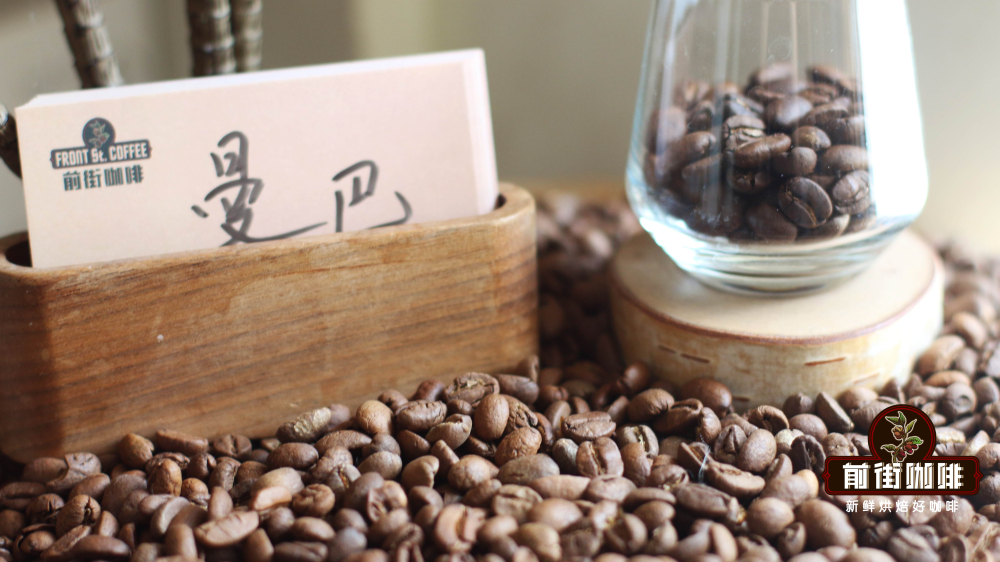
Is SOE always better than blended espresso?
The answer is not absolute. The flavor of a cup of coffee depends on multiple factors including bean quality, roast level, grind size, extraction parameters, espresso machine performance, brewing skills, and even personal taste preferences. SOE simply means the espresso is made from beans of a single origin, but this does not guarantee it will taste better than a blend.
If you’re new to espresso, it’s advisable to start with blends that offer high stability and balanced flavors. Once you’re familiar with the basic flavor profile of espresso, you can then explore SOEs from different origins to experience their unique regional characteristics and expressive qualities. Through varied experimentation, you’ll gain a clearer sense of your preferred coffee flavor direction.
The above content is compiled by CoffeeHunters, a coffee news website.


