







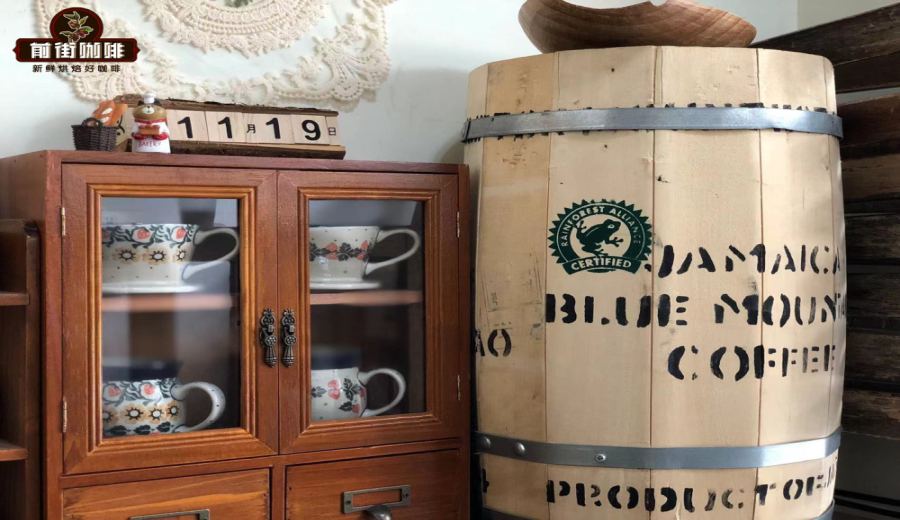
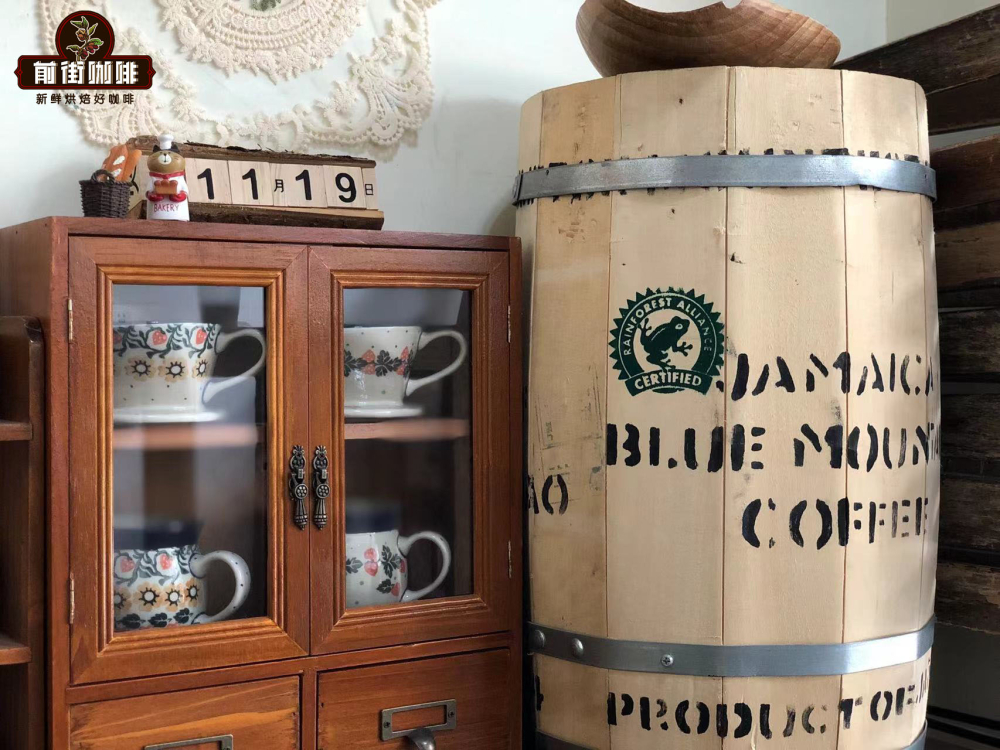
Introduction:Jamaica Blue Mountain coffee is hailed as one of the world’s top-tier coffees, and its distinctive flavor profile is inseparable from the unique conditions of its growing region. This article delves into the terroir of the Blue Mountain region, the characteristics of the Typica variety, the washed processing method, and the rigorous grading system. It also provides practical pour over recommendations and brewing parameters to help you gain a more comprehensive understanding of this legendary coffee bean and recreate a Blue Mountain-like experience at home.
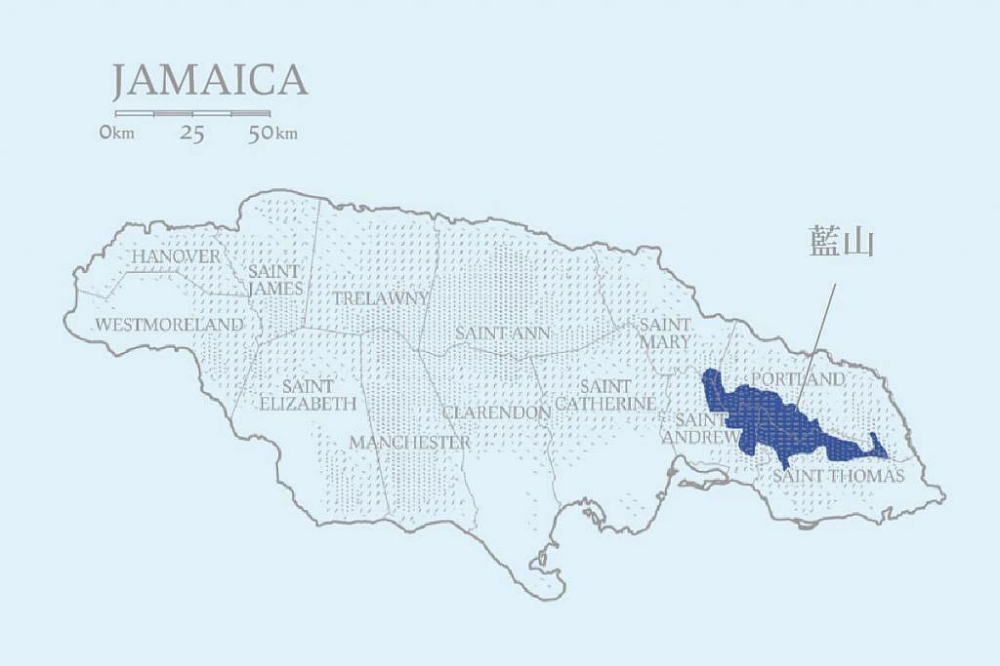
Renowned for its clean, bright taste and long, captivating aftertaste, Jamaica Blue Mountain coffee consistently ranks among the world’s finest. This coffee is grown exclusively in a designated area of the Blue Mountains of Jamaica at elevations between 910 and 1,700 meters. It is strictly regulated by the official CIB (Coffee Industry Board of Jamaica), and only Arabica coffee that meets the standards can be labeled as “Jamaica Blue Mountain Coffee.” Coffee grown at lower altitudes is categorized as Jamaica High Mountain or Jamaica Prime. This article will explore the growing environment, varietal origins, processing methods, and grading system, and will also detail the pour over parameters and brewing tips for Blue Mountain No. 1, offering an in-depth look at the allure of this legendary coffee.
The reason Blue Mountain coffee can deliver such delicate and well-balanced flavors lies in its exceptional terroir. The Blue Mountains are located in the northeastern part of Jamaica, surrounded by the sea, and feature a typical island-style tropical rainforest climate. During the rainy season, there is abundant rainfall coupled with excellent drainage, and the volcanic soil is rich in minerals, allowing coffee trees to thrive with minimal artificial irrigation or fertilization. The high-altitude areas enjoy cool temperatures and are often shrouded in mist year-round, creating ideal conditions for coffee cultivation. Many farmers plant coffee trees alongside banana trees on the slopes, taking advantage of the shade and moisture provided by the bananas.
Jamaica Blue Mountain coffee is grown using the historically significant Typica variety. Typica is considered one of the oldest Arabica varieties and is the progenitor of many modern coffee varieties, including Bourbon. Known for its elegant flavors and balanced profile, this variety is relatively susceptible to pests and diseases and has lower yields, which is why it has been largely replaced by higher-yielding varieties in many parts of the world. However, under the unique microclimate and soil conditions of Jamaica Blue Mountain, Typica not only thrives but has also developed stronger resistance to diseases—particularly coffee berry disease—outperforming standard Typica varieties in this regard. As a result, Blue Mountain coffee maintains its signature clean and pure flavor.
In terms of processing, Blue Mountain coffee primarily follows the traditional washed method, which is key to its clarity of flavor, bright acidity, and minimal defects. After harvest, the coffee cherries are first mechanically stripped of their outer skin and pulp, then placed in fermentation tanks for approximately 24 hours to remove the mucilage adhering to the beans. Once fermentation is complete, the beans are transferred to clean water tanks where they are thoroughly rinsed and brushed to eliminate any residual surface material, leaving the beans smooth and clean. Finally, the parchment-covered beans are dried in shaded conditions for 2 to 3 weeks, with moisture content controlled between 12% and 14%. Because the fermented pulp and mucilage are removed early on, Blue Mountain coffee exhibits a particularly pure and balanced aromatic profile.
Although small amounts of naturally processed Blue Mountain coffee have emerged in recent years, the washed process remains the most iconic method for defining Blue Mountain’s flavor. This technique preserves the coffee’s natural fruit acidity while delivering a cleaner, more defined flavor structure with distinct layers.
When it comes to Blue Mountain coffee, none is more famous than “Blue Mountain No. 1.” These coffee beans meet the high standards set by the CIB, including a bean size of 17 mesh or larger, a defect rate below 2%, moisture content controlled between 10% and 12.5%, and a perfectly balanced flavor profile of sweetness, acidity, bitterness, and body. These stringent criteria make Blue Mountain No. 1 extremely limited in production and one of the rarest coffees on the market. Its flavor is often described as rich and full-bodied, with harmonious notes of acidity, sweetness, bitterness, and mellowness, a smooth and velvety mouthfeel, and aromas of dark chocolate, nuts, and caramel, all leading to a gentle and lingering aftertaste.
To fully bring out the potential of Blue Mountain No. 1, a medium to dark roast is recommended. This highlights the chocolate and caramel notes in the coffee while preserving a moderate level of acidity, resulting in a more three-dimensional flavor profile. For pour over brewing, the Kono filter is recommended due to its unique low-rib design, which extends the contact time between coffee grounds and water, promoting more even extraction and enhancing the body and smoothness of the cup. Use a medium-coarse grind size (similar to table salt fineness) with a 20-mesh sieve passing rate of about 75%, and employ a three-stage pour with water at 88°C to effectively balance extraction and avoid over- or under-extraction.
Practical brewing recommendations are as follows: start with 15 grams of coffee grounds and perform a 30-second bloom with 30 grams of water to initiate flavor release. In the first stage, pour in a circular motion with a slow stream until the total water reaches 125 grams, then pause. When the liquid level is about to expose the coffee bed, continue pouring to a total of 225 grams. The entire extraction should take about 2 minutes. This set of parameters highlights the full body and nuanced flavors of Blue Mountain No. 1, making it ideal for coffee lovers who enjoy balanced and layered cups.
The final brewed cup of Blue Mountain No. 1 typically presents a rich profile dominated by dark chocolate and nuts, accompanied by soft caramel notes. The mouthfeel is silky smooth with moderate body, and the finish leaves a refreshing sweetness. The overall cup is exceptionally well-balanced, making it a classic choice for experiencing the charm of high-altitude Typica varieties.
The above content is compiled by CoffeeHunters, a coffee news website.


