








Introduction:The Hua Kui coffee beans originate from the Guji zone in Ethiopia’s Sidamo region and are renowned for their unique natural processing method. They once sparked a new trend in specialty coffee. This article delves into the origins of its name, the characteristics of its growing region, the differences between various versions, and provides comprehensive brewing recommendations and parameters for pour over, espresso, latte, and Americano, helping you better understand how this vibrant-flavored coffee bean can be used in everyday brewing.
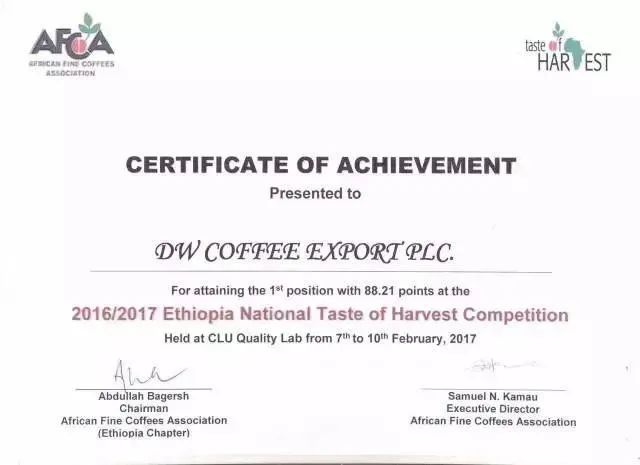
Hua Kui coffee beans are Ethiopian natural-processed beans that have gained international fame in the specialty coffee scene in recent years. They come from the small Guji sub-region within Ethiopia’s Sidamo province—more precisely, the Hambella area within Guji. This coffee shot to stardom after making a remarkable impact at the 2017 World Brewers Cup China regional competition, breaking the long-standing dominance of Geisha in the conversation and becoming a new market favorite.
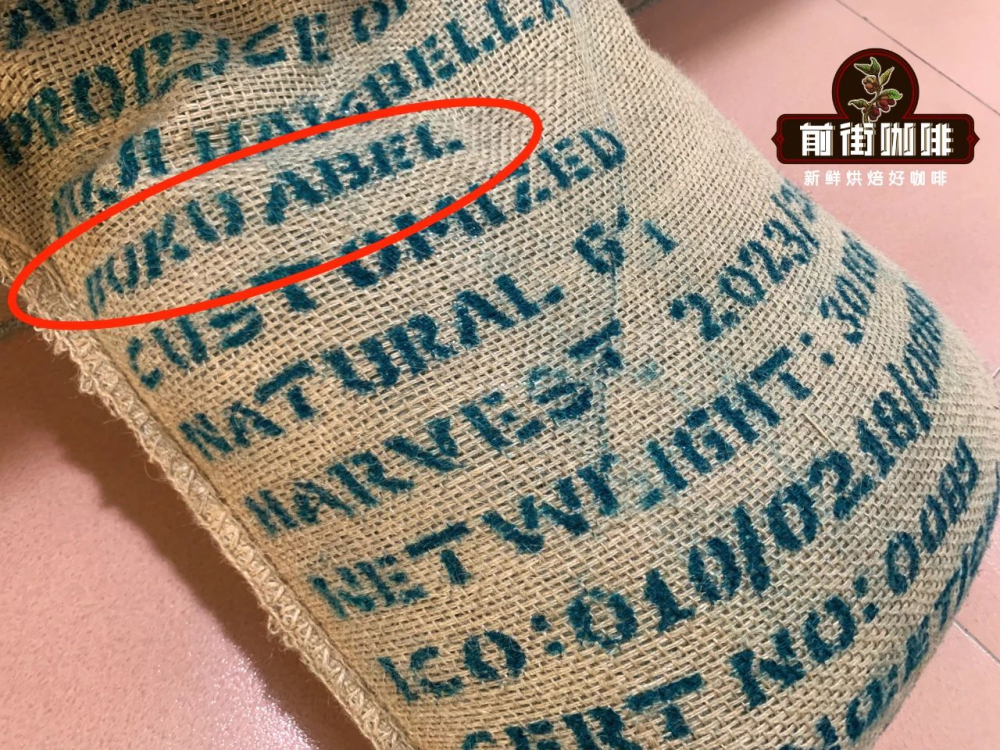
The most intriguing aspect of this bean is its Chinese name, “花魁” (Hua Kui). Interestingly, this is not a transliteration of its English name but is derived from traditional Chinese imperial examination culture, meaning “the foremost among flowers,” symbolizing its potential to stand out among many coffee beans. While many consumers commonly refer to various high-quality natural-processed beans from Guji as “Hua Kui,” in reality, only those produced by the Buku Abel farm and named after this processing facility can truly be called “Hua Kui.” This farm is also regarded by the industry as the “Hua Kui farm.”
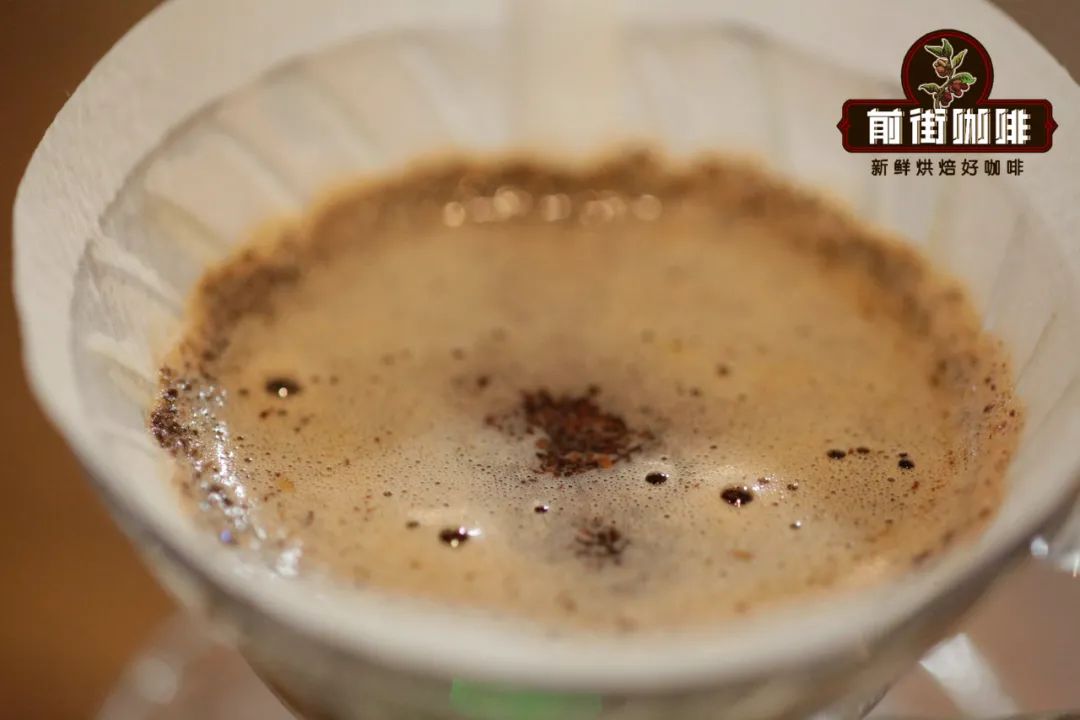
In terms of flavor profile, Hua Kui is known for its rich vanilla and cream base notes, bright passion fruit acidity, and layers of wine-like complexity brought about by fermentation. This results from its growing environment—surrounded by sugarcane and banana plantations, along with high altitude and stable day-night temperature variations, which give the beans a full-bodied and smooth mouthfeel, forming a strong contrast to the typically fresh citrus notes of Yirgacheffe. In addition, the natural processing method in the Hambella region allows for full conversion of fruit sugars, further enhancing sweetness and complexity.
It is worth noting that various versions of Hua Kui, such as Hua Kui 2.0, 3.0, 3.1, and 4.0, are actually products from different years or with slight processing adjustments. Some of these are not from the Buku Abel farm but are instead produced by other facilities and named as extensions of the series. The varieties of these versions mostly belong to Ethiopian native cultivars. Since the government has not fully disclosed details, there is currently no unified name for them, but they generally feature intense floral and fruity tones along with unique fermented aromas.
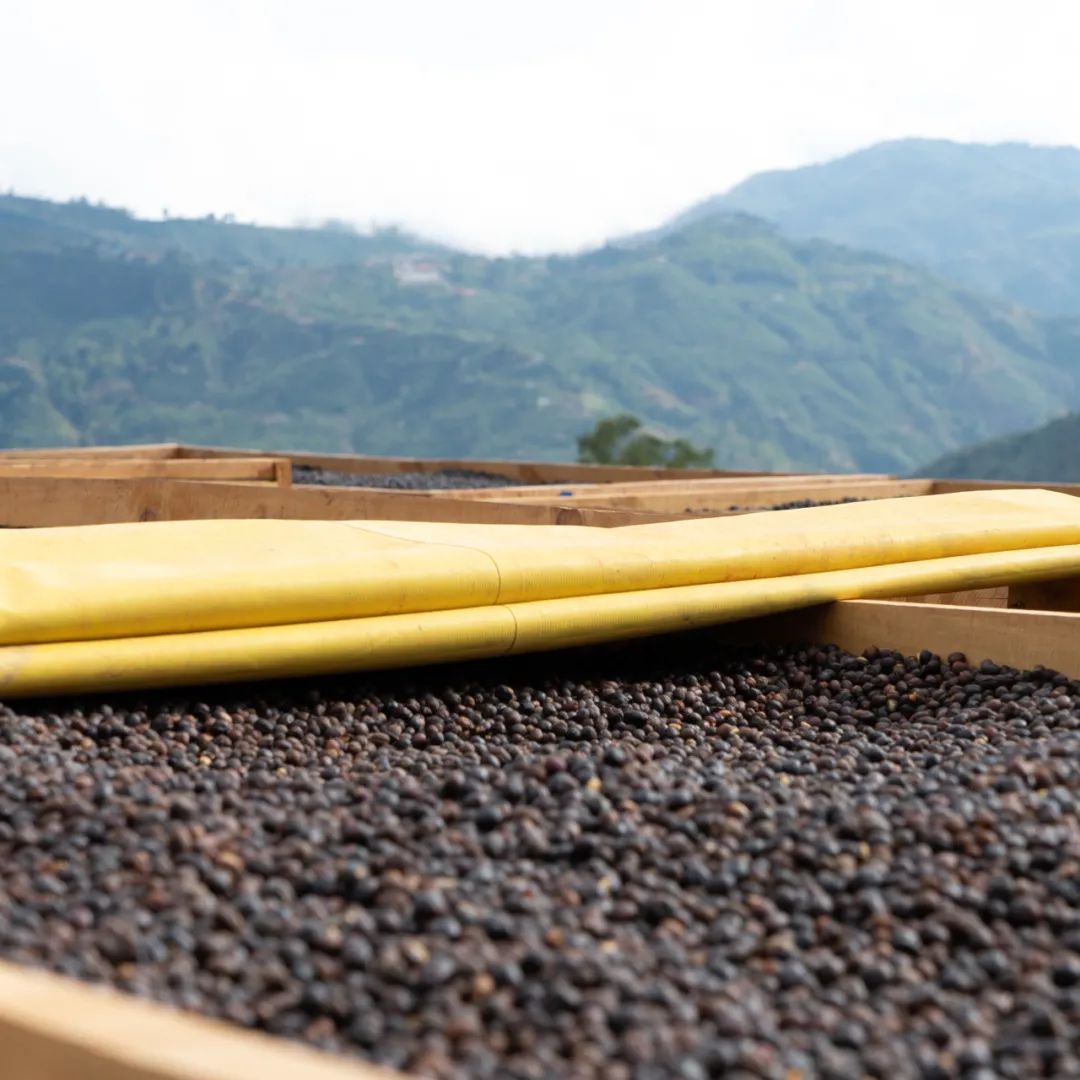
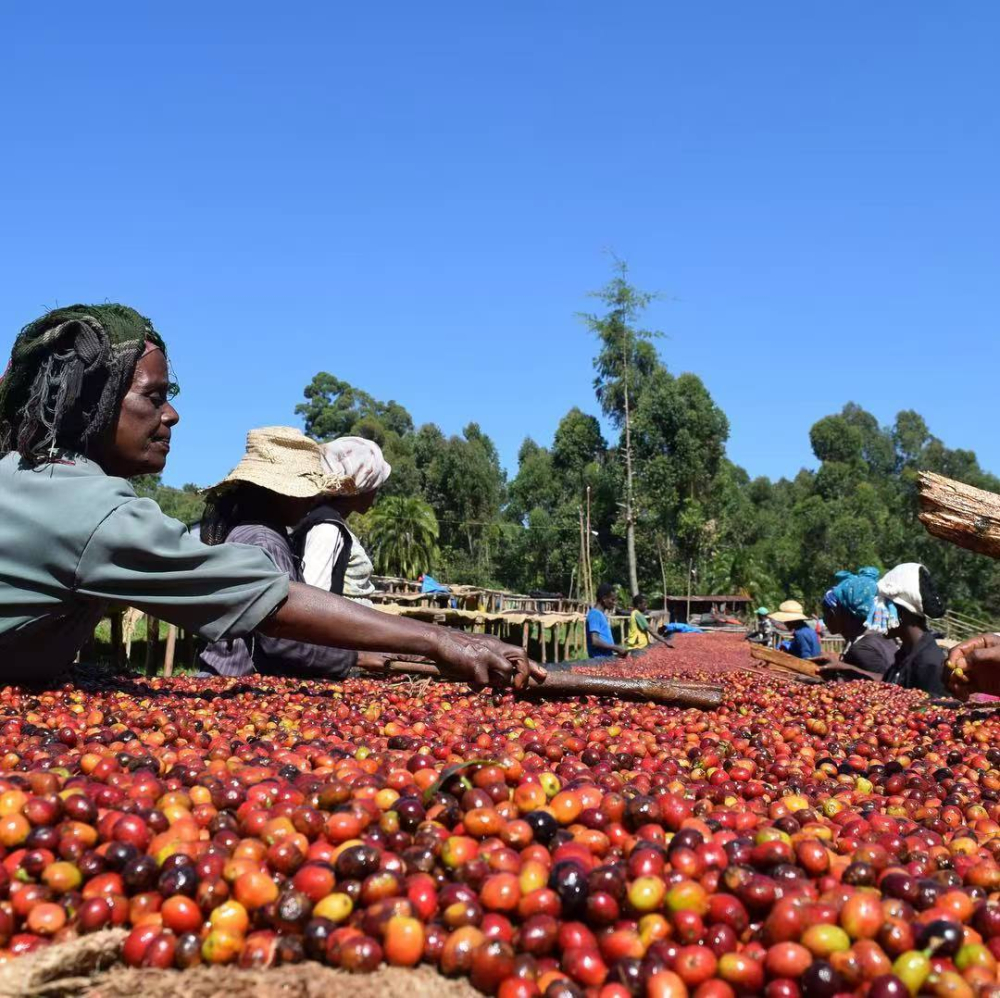
The natural processing method of Hua Kui is extremely meticulous. Typically harvested between December and January, only red coffee cherries with a sugar content of over 30% are selected. During the first two days of sun drying, appropriate humidity is maintained to promote fruit sugar fermentation. Shade is provided during midday heat to prevent fruit pulp scorching, and sudden evening rains are guarded against—sometimes even using plastic sheeting for protection. Both the fermentation and dehydration stages are kept at low temperatures. After approximately 18 days, the moisture content of the green beans is reduced to 13%, followed by about 50 days of resting and further dehydration until the moisture stabilizes around 11% before hulling. This rigorous process is key to the unique flavor of Hua Kui.
Additionally, many consumers may notice version numbers on commercial Hua Kui packaging, such as “Hua Kui 3.1” or “Hua Kui 4.0.” This is because only products from the Buku Abel processing facility are considered the authentic “Hua Kui,” while similar-flavored natural beans from other facilities are distinguished by version numbers. Though the flavor profiles of different versions are broadly similar, they differ in terms of acid-sweet balance, aftertaste depth, and body—for example, Hua Kui 3.1 is closer in flavor to Panama’s Emerald Estate Geisha, whereas Hua Kui 4.0 returns to more traditional Hua Kui characteristics but with slightly less body and aftertaste compared to the original.
The flavor of Hua Kui can also naturally fluctuate from year to year due to the crop’s susceptibility to climate, rainfall, and soil conditions—a normal phenomenon. Even within the same region, for instance, the flavor of Sidamo’s Alsie coffee is completely different from Hua Kui. The former excels in intense juiciness, while Hua Kui showcases a richer tropical fruit fermentation character.
For brewing methods, Hua Kui is highly suitable for pour over. It is recommended to use a V60 or Kono dripper with a medium-fine grind size of around 0.85mm mesh size at 80% particle passing rate. Water temperature should be controlled at 90–92°C (for light roast) or 88–89°C (for medium-dark roast). The standard coffee-to-water ratio is 1:15—for example, when using 15 grams of coffee, pour 225 grams of hot water. The brewing process involves three pours: the first pour of 30 grams for a 30-second bloom, the second pour up to 125 grams, then wait for the water level to drop halfway before pouring up to 225 grams. The total extraction time is about 2 minutes. This method fully highlights Hua Kui’s floral-fruity aroma and layered sweetness.
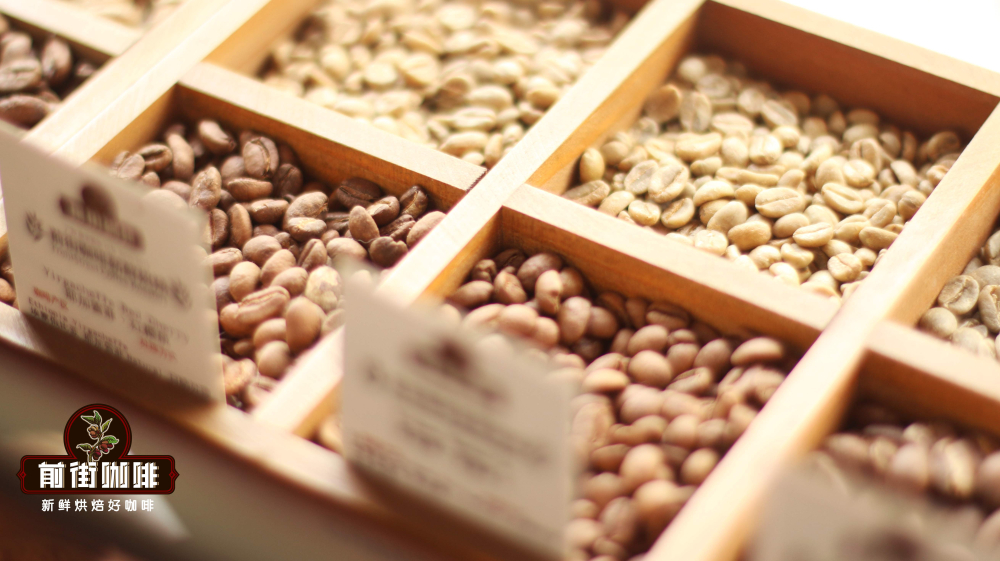
If you wish to make espresso with Hua Kui, it is recommended to choose a version with an adjusted roast profile (such as Hua Kui 8.0) to enhance the bean's oiliness and flavor concentration. Recommended extraction parameters: use a Galileo Q18 grinder set to 1.4, 20 grams of coffee, target yield of 40 grams, coffee-to-water ratio of 1:2, and extraction time of 28–32 seconds. The resulting espresso offers a balanced profile of dark berries, dried apricots, caramel, and creamy chocolate. When made into an Americano, it exhibits a refreshing citrus acidity, and when milk is added, it reveals a round flavor of buttery cookies, plums, and chocolate biscuits.
Hua Kui is also very suitable for making Americano. For a hot Americano, a 200 ml cup is recommended, using 20 grams of coffee to extract 40 grams of espresso, then adding 160 ml of hot water (a ratio of 1:4). At this ratio, when consumed at a medium temperature, you can enjoy soft berry acidity and tropical fruit aroma, with an aftertaste of creamy and caramel sweetness. For an iced Americano, use the same espresso base and add 260 grams of iced water. The citrus acidity is bright upon entry, but it is advised to adjust to 20 grams of coffee for 40 grams of liquid over 28 seconds to enhance richness and mouthfeel and avoid flavor dilution from over-dilution.
As for latte, a 300 ml cup is recommended, using 20 grams of coffee to extract 40 grams of espresso (with a 30-second extraction time), then combining with milk. Since Hua Kui is a light-to-medium roast, when paired with milk, the coffee flavor is relatively mild, with a silky milk aroma dominant on the palate, and berry notes gradually emerging in the aftertaste. Iced latte uses milk instead of water, resulting in a lighter overall flavor with subtle berry notes but slightly lacking in body and aftertaste. It is recommended to improve overall performance by increasing coffee dosage and extraction concentration.
The above content is compiled by CoffeeHunters, a coffee news website.


