







Introduction:Sumatran coffee is world-renowned for its unique flavor profile, and among its offerings, Mandheling is a classic representative. But did you know that "Mandheling" is actually a name born from a historical misunderstanding? This article delves into the regional background of Sumatran coffee, explores the characteristics of its processing methods, provides a detailed introduction to the origins of Golden Mandheling, its pour over parameters, and flavor characteristics, and offers practical suggestions for making Americano. Whether you're a beginner or a coffee enthusiast, you'll gain useful brewing inspiration.
Sumatran coffee is one of Indonesia's most iconic types, and Mandheling is its most well-known variety. Interestingly, "Mandheling" is neither a region nor a coffee variety, but rather a name that originated from a language misunderstanding during World War II. At the time, a Japanese soldier asked about the origin of the coffee, and the shop owner mistakenly thought he was asking where the seller was from, replying "Mandailing." This name was later misheard as "Mandheling" and became synonymous with this type of coffee.
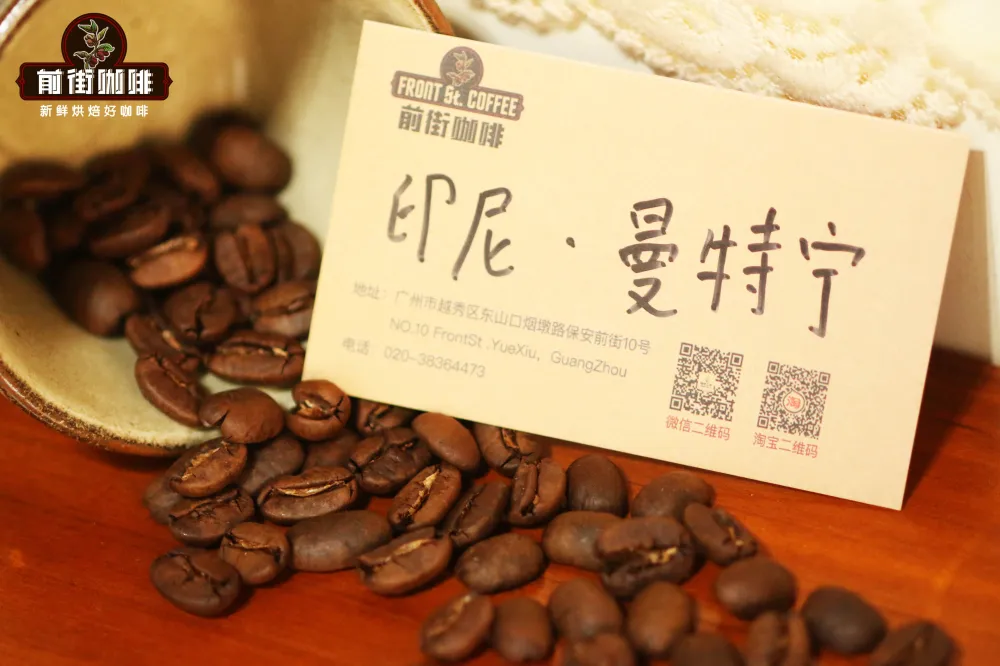
Sumatra is the world’s sixth-largest island and a major coffee-producing region in Indonesia. With around 90 volcanoes across the island, it offers rich minerals and fertile soil. Coupled with the equator running through it, the climate is highly suitable for coffee cultivation. Local coffee production accounts for approximately 74.2% of Indonesia’s total output, making it the core coffee region of the country. Although coffee is not native to Indonesia, it was introduced during the Dutch colonial period and gradually developed into an important cash crop.
Coffee cultivation in Sumatra can be divided into two main regions: the northwestern mountainous areas, which mainly grow Arabica and are the primary source of Mandheling; and the southeastern regions, which mostly cultivate Robusta. Among them, Lintong and Mandheling are two well-known specialty Arabica producing areas in northern Sumatra. Lintong is located on the highlands southwest of Lake Toba, featuring rugged terrain and higher altitudes. The growing environment is natural with minimal human intervention, and the resulting coffee typically has a full body, low acidity, and rich flavor.
The most common variety of Mandheling coffee is Typica. However, due to past issues with leaf rust, many regions have switched to more disease-resistant varieties, such as the hybrid known locally as Ateng, which is actually a strain of Catimor. A well-known coffee brand labels its Lintong Mandheling as "Tim Tim Ateng," while Golden Mandheling is labeled as "Ateng." Although these names differ from internationally common variety names, they are actually Arabica variants adapted to Indonesia’s environment.
What Mandheling coffee is most famous for is its distinctive processing method — wet hulling (also called semi-washed or Giling Basah). Indonesia’s humid climate and unstable sunlight make traditional sun drying and washed processing difficult to control, leading to the development of this unique method. After removing the fruit pulp, the coffee beans undergo partial skin removal and fermentation, followed by the removal of the mucilage and outer parchment, allowing the beans to dry quickly at relatively high humidity. This method gives Mandheling its bold, low-acid, full-bodied flavor with distinctive earthy and spicy notes.
When it comes to premium Mandheling, one cannot overlook "Golden Mandheling." This coffee comes from the Gayo Highlands in northern Sumatra, at elevations of about 1500 to 2500 meters, and is rigorously selected by PWN. Golden Mandheling uses only G1 grade beans that are 19 mesh size or larger, with uniform size, and undergoes machine sorting and three rounds of hand selection. Each 300 grams of green beans contains no more than three defects, ensuring the highest quality. These beans are usually dark green and intact in shape, making them an excellent choice for dark roasting.
When brewing Golden Mandheling, it is recommended to use a medium-fine grind (approximately 75% passing through a #20 sieve), with a coffee-to-water ratio of 1:15, around 15 grams of coffee, and water temperature controlled at 88°C. As a dark roast bean, excessively high temperatures can lead to over-extraction, resulting in unpleasant off-flavors. It is recommended to use a Kono filter, whose structure extends the contact time between water and coffee, improving extraction evenness and body. For specific brewing, start with a 30-second bloom using 30 grams of water, then pour in stages up to 125 grams and 225 grams, with a total brew time of about 2 minutes. Stir gently before pouring into your cup to enjoy.
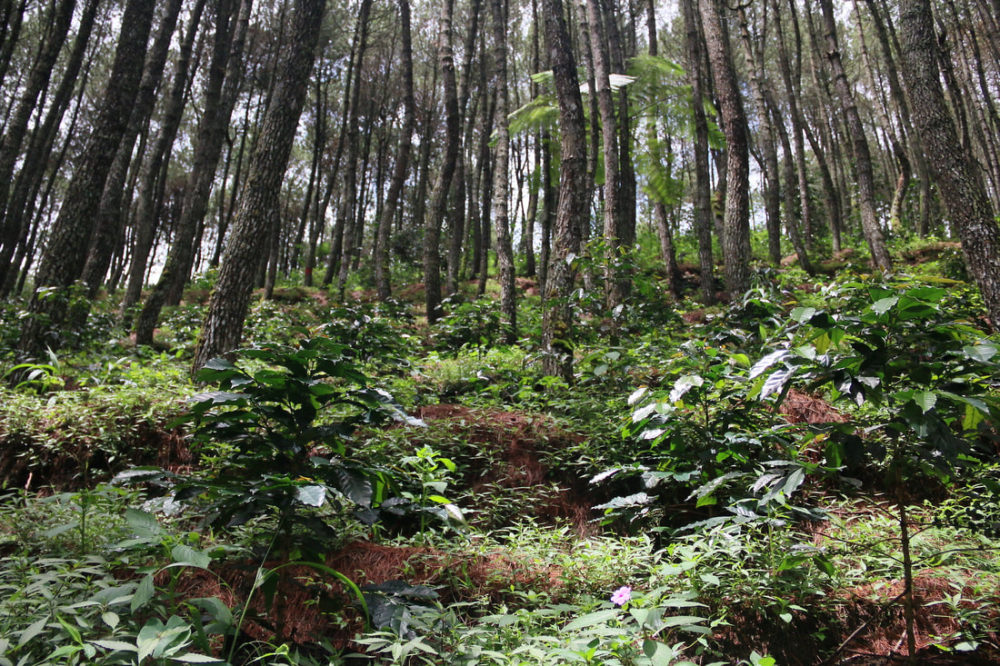
Golden Mandheling delivers an outstanding flavor profile, often showcasing rich notes of nuts, caramel, and chocolate, with a long and layered aftertaste. Its texture is smooth and well-balanced, making it an excellent specialty coffee to savor slowly.
In addition to pour over, Mandheling is also an excellent choice for making Americano. Americano is made by mixing espresso with hot or iced water, directly highlighting the intrinsic flavor characteristics of the coffee beans. If using hot water, a recommended ratio is 1:6, such as 40 grams of espresso to 240 grams of hot water. For iced Americano, add ice cubes with a ratio adjusted to 1:7, such as 40 grams of espresso to 280 grams of ice water (about 180 grams of ice and 100 grams of cold water). Remember to use appropriate extraction parameters, such as 20 grams of coffee beans yielding 40 grams of espresso within 27–28 seconds, to fully bring out Mandheling’s richness and aroma.
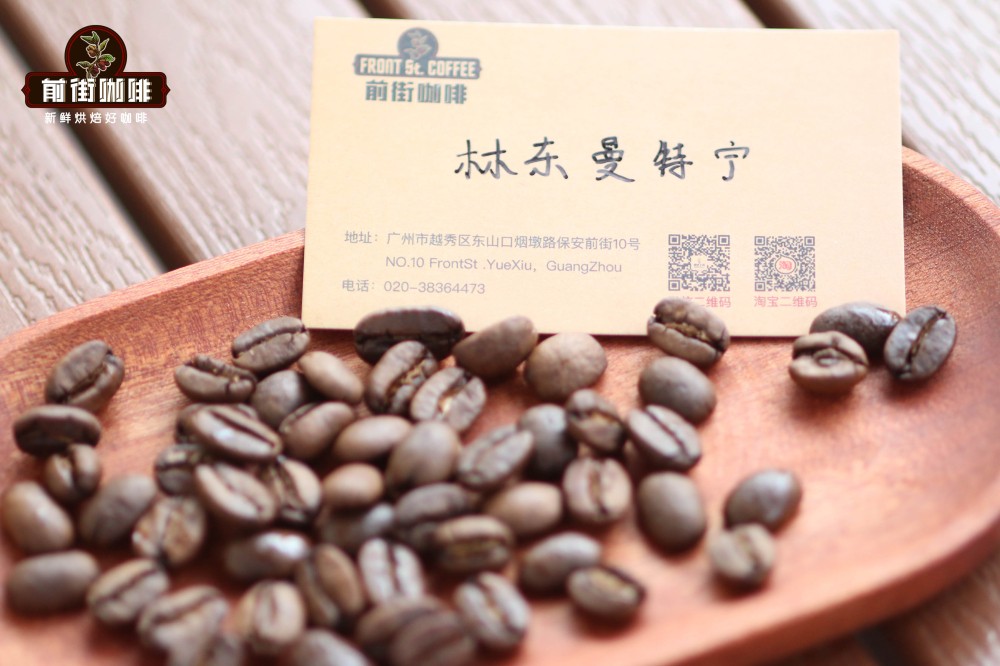
In summary, Sumatran Mandheling, with its unique geographical environment, traditional processing methods, and refined quality control, has become a classic that global coffee lovers shouldn’t miss. From Lintong to the Gayo Highlands, from wet hulling to Golden Mandheling, every step is infused with rich coffee culture and stories. Whether you prefer pour over or Americano, you’ll find your own unique flavor experience within it.
The above content is compiled by CoffeeHunters, a coffee news website.


